Finance14 May, 20267 min read
Spirit Airlines Cancels All Flights After White House Bailout Fails, Starts Wind-Down
This article is an automated aggregation of coverage from news outlets. Our editorials offer in-depth analysis curated by the NewsCord team.
Spirit Airlines began an orderly wind-down and canceled all flights immediately. A White House bailout failed to materialize, leaving Spirit without expected support.

Spirit’s wind-down
Spirit Airlines began an “orderly wind-down of operations” after a potential White House bailout fell through, cancelling all flights as it moved into a shutdown phase.
In an early-hours statement on Saturday, Spirit Aviation Holdings, Inc., parent company of Spirit Airlines, said it “today regretfully announced that the Company has started an orderly wind-down of operations, effective immediately. All Spirit flights have been cancelled, and Spirit Guests should not go to the airport,” according to Al Jazeera.
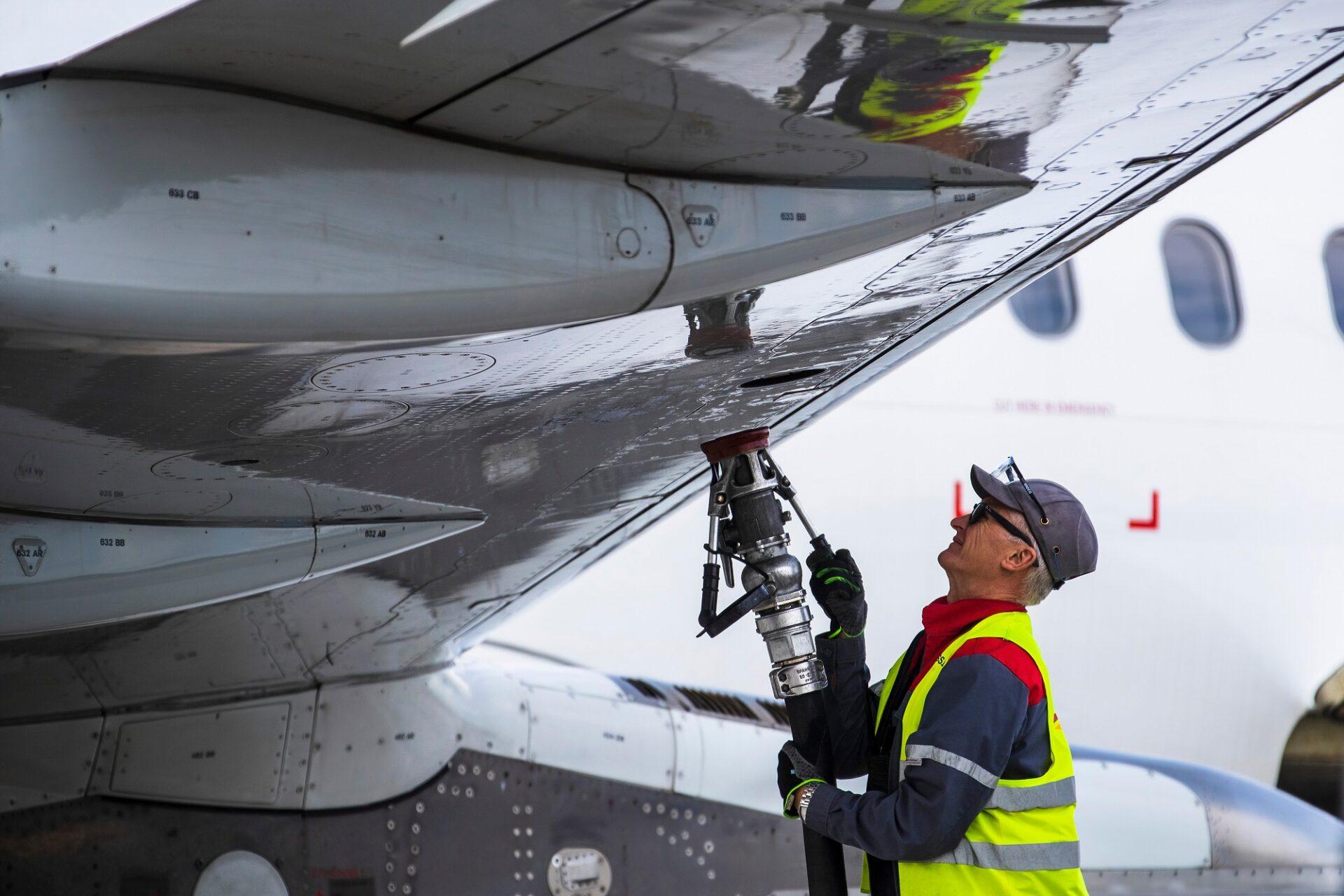
The airline’s collapse was tied to a fuel shock during the Iran war, with Al Jazeera saying the collapse would cost thousands of jobs and describing a doubling in jet fuel prices during the two-month-old Iran war.
Reuters reporting cited in Al Jazeera said a Spirit board meeting had ended without an agreement to rescue the company, after talks hit an impasse over a $500m financing package.
Al Jazeera also reported that Spirit’s restructuring plan assumed jet fuel costs of about $2.24 a gallon in 2026 and $2.14 in 2027, but prices climbed to about $4.51 a gallon by the end of April, leaving the carrier unable to survive without new financing.
The airline said it was working on getting more than 1,300 crew to their home bases after its final flight landed at Dallas Fort Worth International Airport from Detroit Metropolitan Airport, and Transportation Secretary Sean Duffy told Reuters he had tried to get many airlines to buy Spirit but found no takers.
Duffy’s question—“What would someone buy?”—was followed by “If no one else wants to buy them, why would we buy them?” as Al Jazeera relayed Reuters’ account.
Fuel crisis spreads
Across Europe, governments and airlines moved to conserve jet fuel as the war in the Middle East disrupted supplies and raised fears of shortages during summer travel. The Guardian reported that UK airlines were given “green light to cancel or consolidate flights this summer to conserve jet fuel,” with new legislation allowing airlines to consolidate schedules on routes where there are multiple flights to the same place on the same day. Under the UK plan, flights would have to be cancelled at least two weeks in advance, and Rob Bishton, the chief executive of the UK Civil Aviation Authority, said: “Relaxing the rules around slots at airports will allow airlines more flexibility and so we expect them to give passengers as much notice as possible of cancellations during this period.”
The Guardian also tied the policy to the Strait of Hormuz, saying it “has been closed in effect since the beginning of March,” and it reported that the UK imports about 65% of the jet fuel it uses, much of which comes from the Middle East. In parallel, AeroTime described the same UK framework as emergency measures that let carriers reduce flight schedules “at least two weeks before departure without losing valuable airport slots,” and said airlines would be required to provide at least 14-day advance notice.
Le Monde reported that France’s Ministry of Transport planned to take stock with airlines on May 6 about supply of kerosene to French airports, citing the impossibility of importing oil and aviation fuel from Gulf countries since February 28. Le Monde also quoted Economy Minister Roland Lescure telling the Senate: “I can tell you today that for May we are not worried either,” while warning that “If the situation lasts another two or three months, we will enter an era of energy shortage,” said Patrick Pouyanné, CEO of TotalEnergies.
Who said what
The policy response and airline decisions were accompanied by direct statements from officials and industry figures, reflecting both reassurance and urgency.
In the UK, Transport Secretary Heidi Alexander said: “There are no immediate supply issues, but we’re preparing now to give families long-term certainty and avoid unnecessary disruption at the departure gate this summer,” as The Guardian reported.
Alexander added: “This legislation will give airlines the tools to adjust flights in good time if they need to, which helps protect passengers and businesses. We will do everything we can to insulate our country from the impact of the situation in the Middle East.”
Rob Bishton’s slot-flexibility quote—“Relaxing the rules around slots at airports will allow airlines more flexibility”—was paired with the Guardian’s description that flights would be cancelled well in advance if there was a jet fuel shortage.
In France, Economy Minister Roland Lescure told the Senate: “I had the opportunity at the end of March to say that we would have no supply issues in April; that was the case. I can tell you today that for May we are not worried either.”
Le Monde also included a warning from TotalEnergies CEO Patrick Pouyanné: “If the situation lasts another two or three months, we will enter an era of energy shortage,” and it said the May 6 meeting should address “volumes, prices, cancellation policies, and the protection of consumers.”
RTL quoted Corsair CEO Pascal de Izaguirre saying the disruption “should not occur in the short term,” and he described “four to six weeks of visibility,” while also saying “We will demand transparency on kerosene stocks and on supply guarantees.”
Divergent reporting
Different outlets framed the same underlying fuel crisis with distinct emphases, from operational mechanics to financial fallout and consumer impact. Al Jazeera’s account of Spirit’s collapse centered on the airline’s “orderly wind-down,” the failure of a potential White House bailout, and the detailed fuel-price arithmetic that left Spirit unable to survive without new financing. The Guardian, by contrast, focused on UK regulatory changes, describing how airlines would be allowed to cancel or consolidate flights this summer and how the government would allow limited return of allocated takeoff and landing slots “without losing the right to operate them the following season.”
AeroTime described the same UK framework as a “significant shift from standard regulations” and stressed that the policy would “prevent last-minute cancelations during the peak summer travel season” by requiring “at least 14-day advance notice.” Le Monde framed the issue as a French coordination exercise, with a May 6 meeting to “take stock” and a ministerial reassurance that “for May we are not worried either,” while also quoting TotalEnergies CEO Patrick Pouyanné about an “era of energy shortage” if the situation persisted.

RTL offered a different time horizon, with Corsair CEO Pascal de Izaguirre saying the disruption “should not occur in the short term” and describing “four to six weeks of visibility,” while also asserting “three months of strategic fuel stocks.” The Independent described airlines “adding extra charges amid jet fuel crisis” and quoted Airlines UK saying: “Airlines continue to operate normally and are not experiencing issues with jet fuel supply,” which contrasts with the operational cancellations and wind-down described by Al Jazeera for Spirit.
What comes next
The sources portray a continuing chain of consequences as airlines adjust capacity, governments coordinate supply, and financial pressure spreads beyond individual carriers.
“Flights will have to be cancelled at least two weeks in advance.”
In the US, Al Jazeera reported that Spirit’s final flight landed at Dallas Fort Worth International Airport from Detroit Metropolitan Airport and that Transportation Secretary Sean Duffy said reserve funds had been set up to refund customers who bought directly from the airline.
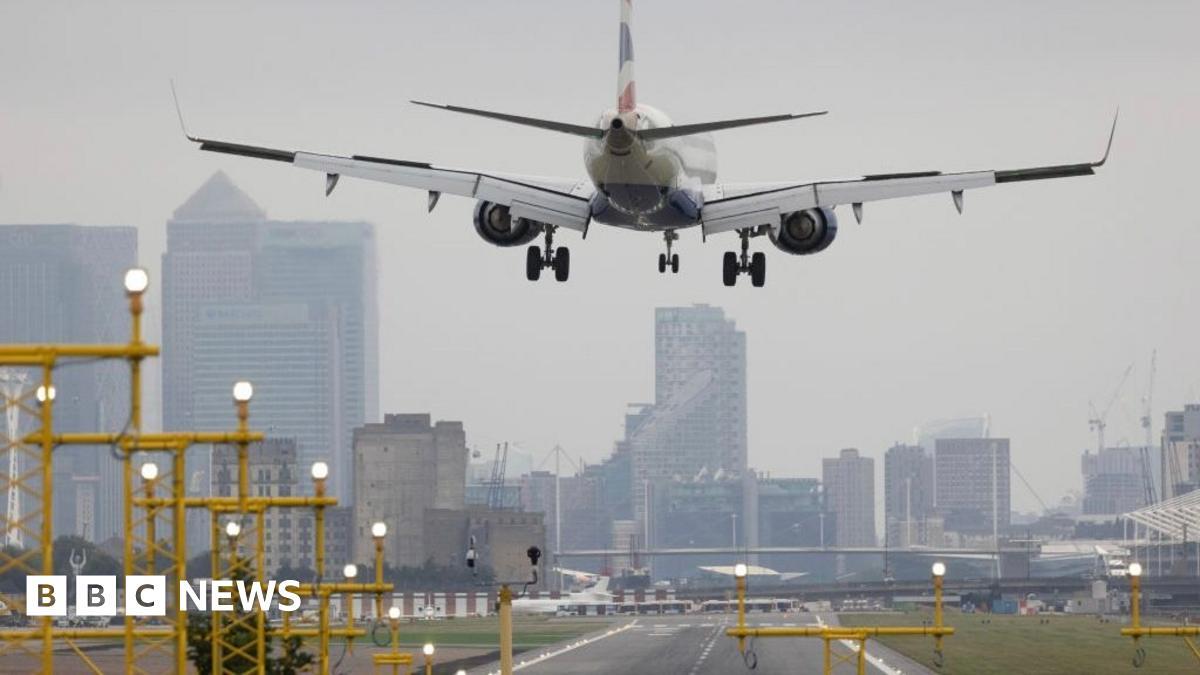
Duffy also said: “If you have a flight scheduled with Spirit Airlines, don’t show up at the airport. There will be no one here to assist you,” and he added that other airlines, including United, Delta, JetBlue and Southwest, were offering $200 one-way flights for travelers who had proof of purchase of a canceled Spirit flight.
In the UK, The Guardian said the government’s changes would allow airlines to cancel flights at least two weeks in advance and to move passengers onto similar services if flights had not sold a significant proportion of tickets.
AeroTime added that carriers could consolidate multiple daily services into fewer flights and rebook passengers onto alternative services operating on the same route, with the policy designed to provide “operational stability and passenger predictability.”
In France, Le Monde said the May 6 meeting would address “volumes, prices, cancellation policies, and the protection of consumers,” and it reported that the minister said strategic stocks had not been touched “with regard to kerosene: less than 2 million barrels in total, out of nearly 100 million barrels.”
RTL quoted Corsair’s CEO Pascal de Izaguirre saying the government would soon meet with airlines and that “We will demand transparency on kerosene stocks and on supply guarantees,” while he suggested the shortage was not to be feared before September.