
Technology and Science · 18 August, 2026 · 3 min read
Study Finds Pilots and Flight Attendants Face Highest Radiation-Related Cancer Death Risk
Flight attendants and pilots show the highest radiation-related cancer deaths among 500 occupations. The elevated risk stems from cosmic radiation exposure at high flight altitudes.
12 outlets told this the same way.
11 of 13 outlets skipped it: study suggests medical checkups plus skin checks and breast screening.
12outlets compared
Aircrew face radiation cancer risk
A new study published Monday in JAMA Internal Medicine found that flight attendants and pilots have the highest and second-highest proportion of radiation-related cancer deaths across over 500 U.S. occupations. The research team led by first author Vishal Patel of Harvard Medical School and Brigham and Women’s Hospital analyzed U.S. death certificates spanning 2020 to 2024, covering nearly 13 million decedents across 503 occupations including 14,000 pilots and 7,000 flight attendants. The study reported that flight attendants accounted for 6.9% of deaths from radiation-related cancers and pilots accounted for 6.7%, with risk elevated for both male and female aircrew.
The authors said aircrew receive the largest annual effective dose of ionizing radiation of any occupational group in the United States, mostly due to cosmic rays encountered at commercial flight altitudes. The findings also showed that aircraft mechanics and assemblers did not experience the increased cancer risk seen in pilots and flight attendants.
Commentary highlights overlapping exposures
In an accompanying commentary, Australian radiation experts Catherine Olsen and Ken Karipidis wrote that aircrew members represent a “unique occupational group” exposed to “cosmic ionizing radiation (CIR) at cruising altitude.”
Olsen and Karipidis said the study “supports the hypothesis that occupational radiation exposure, rather than lifestyle or socioeconomic factors, underlies the observed excess,” while noting that the commentary writers said the study challenges the notion that pilots’ excess skin-cancer risk comes from “long, sun-drenched stopovers of popular imagination.”
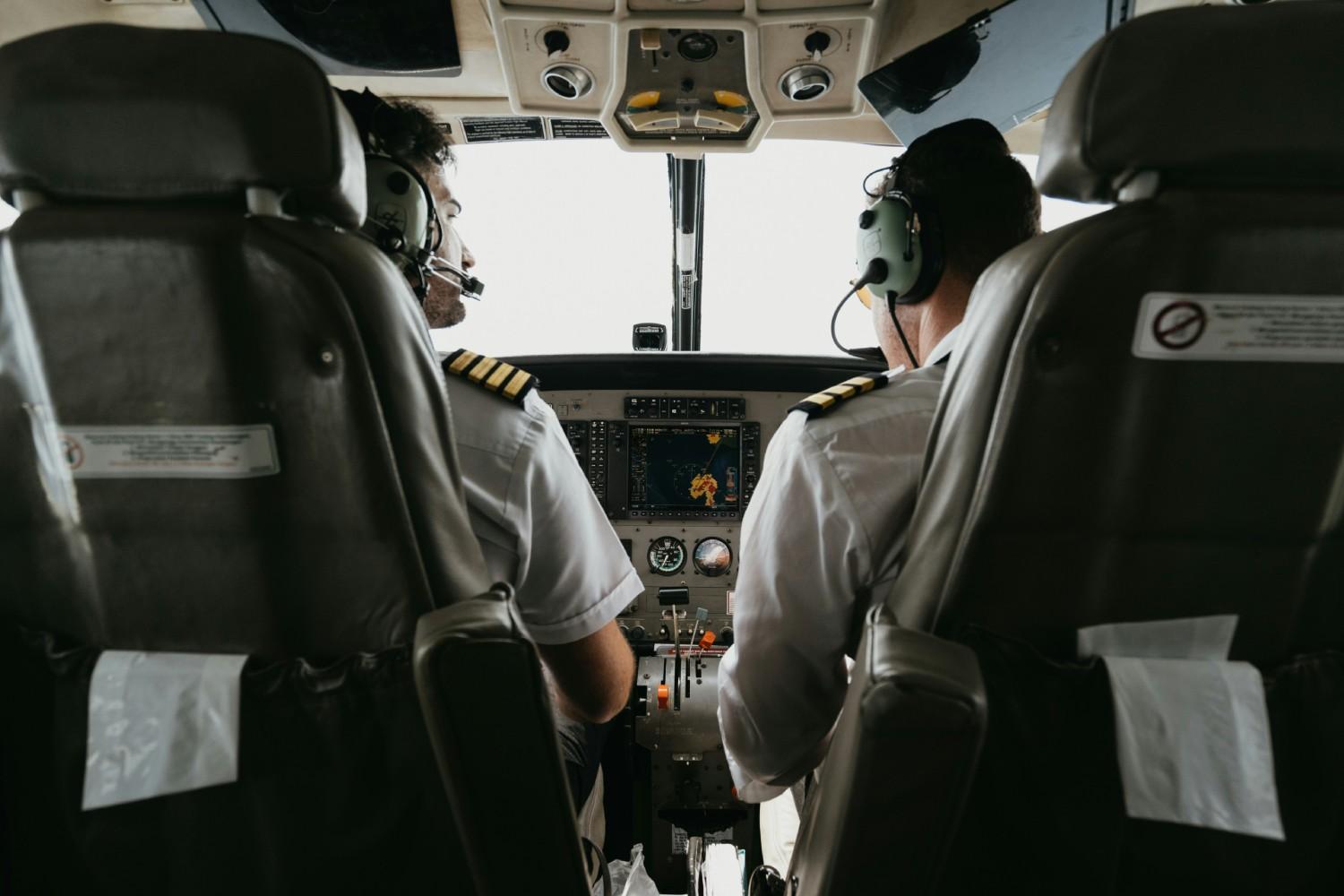
The commentary also framed causation as difficult to untangle because “disentangling the relative contribution of multiple overlapping exposures represents the central methodological challenge,” with cosmic radiation, UV-A light, and circadian disruption occurring together.
CBC reported that the study found flight attendants had about 50 per cent higher odds of dying from a radiation-related cancer than the general working population, while pilots had about 36 per cent higher odds.
The same coverage quoted Dr. Vishal Patel saying, “You can't manage an exposure you've decided not to measure,” in reference to the Federal Aviation Administration’s approach to monitoring.
What changes next for aircrew
The study’s authors said the results support considering occupational radiation protections for U.S. aircrew members commensurate with their level of exposure, and they estimated pilots and flight attendants accrue 3 to 6 millisieverts per year of cosmic radiation. The Harvard Medical School summary said the Federal Aviation Administration formally recognizes pilots and flight attendants as occupationally exposed to ionizing radiation, but U.S. aircrew are not subject to federal dose limits or monitoring requirements. Olsen and Karipidis wrote that annual skin examinations may be warranted for all people working on high-altitude flights, and they said women in those jobs may want to get mammograms earlier or more frequently.
“U.S. aircrew are not subject to federal dose limits or monitoring requirements.”
The commentary also urged clinicians to have a “heightened index of suspicion” for cancer when evaluating these patients, while the study authors acknowledged limitations including that researchers “do not know how much exposure each flight attendant and pilot got in the air.” RTTNews added that researchers suggested aircrew health could be better protected through regular medical checkups that consider years spent working in the air, alongside regular skin checks and breast cancer screening for female aircrew members.