Sudan Armed Forces And Rapid Support Forces Battle Online Propaganda On Facebook And X
Key Takeaways
- Propaganda battle between SAF and RSF dominates online discourse.
- Lack of field press coverage allows misinformation to spread.
- RSF and SAF are the primary forces driving the online narrative.
Propaganda and information chaos
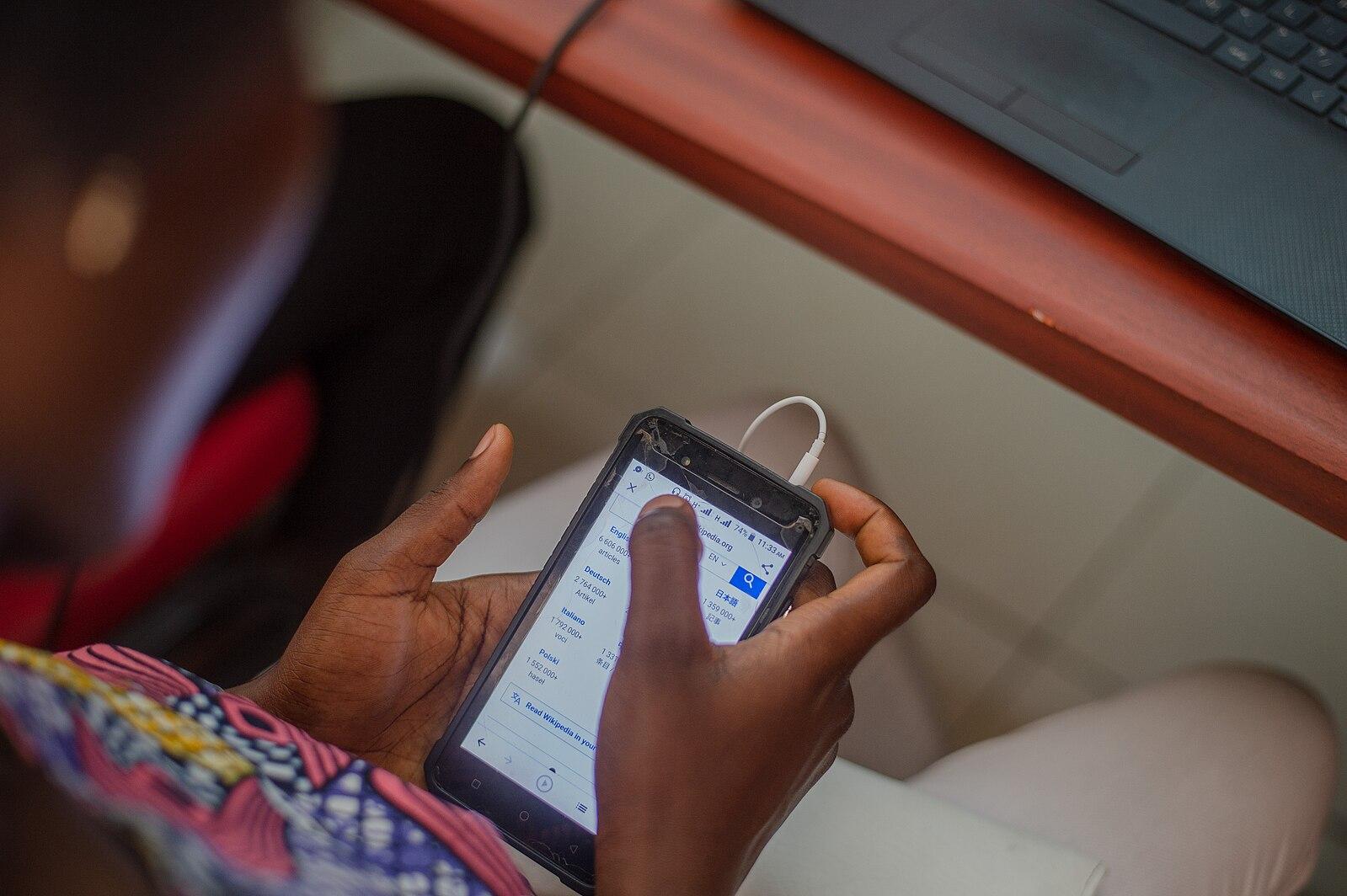
Sudan’s war has unfolded alongside a struggle over what people believe online, with the Sudan Armed Forces (SAF) and the Rapid Support Forces (RSF) competing on “mainstream and social media” in ways that make it “hard to distinguish real, false, and manipulated information,” according to Radio Dabanga’s analysis.
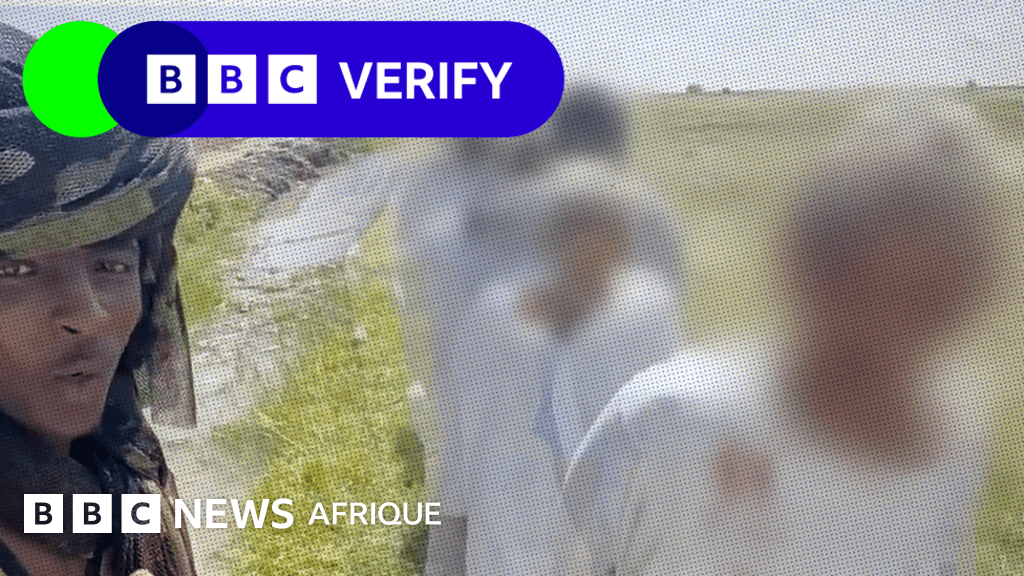
“Fighters accused of massacres in Sudan - Author: Peter Mwai, Kumar Malhotra & Matt Murphy - Role: BBC Verify - Reading time: 11 minutes BBC Verify's analysis of videos showing fighters boasting about a massacre and then taunting the survivors identified the perpetrators as apparently belonging to Sudan's Rapid Support Forces (RSF)”
Radio Dabanga says a “lack of field press coverage allows fake and misleading news to spread more easily,” and points to a paper by Selma El Obeid titled “Sudan wartime online propaganda” published by the French Institute for International Relations (IFRI).
The analysis describes how SAF and RSF “work hard to shape the war narrative by building large supporter networks and using various methods such as disinformation and censorship,” while also arguing that “it is clear they no longer fully control the flow of information.”
It says social media analysis shows Sudanese “politicians, military figures, influencers, and followers” weaving “a tangled web of exchanges filled with rivalries, lies, and propaganda.”
The Radio Dabanga piece adds that “Facebook and X are the most popular platforms for Sudanese users,” and identifies two main types of content creators: “live streamers and YouTubers.”
It also says key players include “supporters of the SAF and of the RSF,” and “to a lesser extent, anti-war groups linked to the former civilian coalition, the Forces of Freedom and Change (FFC).”
The analysis concludes that propaganda campaigns have “deeply influenced society and the political landscape,” “weakening Sudan’s national unity,” “hindering peace efforts,” and “prolonging the war.”
Defection sparks retaliatory attacks
A BBC Verify investigation links one massacre in Sudan to a chain of events beginning with a high-level defection in Gezira State, describing how “a commander's defection led to a massacre in Sudan.”
The BBC says the October attack targeted al-Seriha, a town “of about 15,000 people located 90 km south of Khartoum, the capital of Sudan,” and that “at least 80 people died” in the October attack, while the United Nations said “the death toll could reach 124.”
The BBC Verify report says the massacre appears to have been triggered by the defection of “Abu Aqla Keikal, commander-in-chief of the Sudanese security forces in Gezira State,” who “defected with a substantial portion of his forces” when the Sudanese army announced on “October 20” that he had reintegrated into the Sudanese army.
The BBC describes Keikal’s decision to reintegrate as “hailed as a major propaganda victory,” and says “other soldiers of the RSF were invited to do the same under a broader amnesty offer.”
Shortly after Keikal’s defection, BBC Verify says fighters launched “a series of at least 69 retaliatory attacks on towns and villages in Gezira State between October 20 and November 4,” citing data recorded by ACLED.
The report frames the conflict as “a twenty-month power struggle between Sudan's military authorities and their former partners in the Sudanese security forces,” and notes that human rights groups have condemned atrocities committed by “both sides.”
It also records that a spokesman for the Rapid Support Forces denied involvement in the killings, stating, “the Rapid Support Forces work to protect civilians and promote security and peace, not to target them.”
In the BBC’s account, the defection-to-retaliation timeline is central to how the massacre unfolded in al-Seriha on “October 25,” when Mohammad Ismail was attending “dawn prayers at a local mosque.”
Witnesses describe point-blank killings
BBC Verify’s reporting on al-Seriha centers on testimony from Mohammad Ismail and on videos filmed by fighters themselves, with the investigation describing how unarmed civilians were shot as they tried to flee.
“In the Sudan conflict, the propaganda battle between the Sudan Armed Forces (SAF) and the Rapid Support Forces (RSF) on mainstream and social media makes it hard to distinguish real, false, and manipulated information”
The BBC says Ismail was “attending dawn prayers at a local mosque on October 25” when he heard fighters approaching “the outskirts of al-Seriha,” and that he “rushed home to protect his family as violence erupted around them.”
The report states that “Armed men had climbed onto a mosque and were firing at 'anything that moved' below,” and that “Many people were shot as they tried to flee.”
It adds that “Others were shot at point-blank range in the fields surrounding the town,” and that “Many members of his family are among the dead.”
BBC Verify also says an eyewitness told BBC Verify that “unarmed civilians were shot at point-blank range by fighters as they attempted to flee.”
The BBC describes how the massacre appears tied to the defection of Keikal, with the troops leaving “no doubt among locals that the massacre was carried out in response to Keikal's defection.”
In one video, the BBC reports, “a guard says in Arabic: 'Keikal... look, these are your people.'”
The report further says that in another sequence, fighters “boast about their actions and urge Keikal, the former commander of the security forces, to see for himself what they are doing to the people in his region.”
BBC Verify says it confirmed the location by “matching buildings and other elements of the videos with satellite imagery of the town,” and it notes that a fighter’s watch showed “the date October 25.”
RSF denial and propaganda framing
The BBC Verify report juxtaposes the investigation’s identification work with denials from the Rapid Support Forces, illustrating how propaganda and counter-propaganda operate in parallel.
The BBC says BBC Verify “obtained a series of videos filmed by the fighters themselves,” in which they “boast about their actions and urge Keikal” to see what they are doing, and it describes that “troops bearing the RSF insignia are seen congratulating themselves on having attacked the town and killed inhabitants.”
It says the “circular insignia visible on their right shoulder” matches “the symbol used by the RSF,” and it notes that the video was filmed in al-Seriha by “matching buildings and other elements of the videos with satellite imagery of the town.”
At the same time, the BBC reports that “a spokesman for the Rapid Support Forces denied that its fighters were involved in the killings,” adding the statement, “the Rapid Support Forces work to protect civilians and promote security and peace, not to target them.”
The BBC also describes how BBC Verify attempted facial recognition, stating that it “submitted footage of some RSF fighters to facial-recognition software in an attempt to identify the individuals, but the searches yielded no matches.”
The report says locals interpreted the attack as retaliation, with the troops leaving “no doubt among locals that the massacre was carried out in response to Keikal's defection.”
It further describes another video in which men “bearing RSF insignia talk about Keikal's defection and refer to 'traitors' in Gezira State,” and that they “specifically mention al-Seriha, adding that the city will get what it deserves.”
The BBC’s narrative thus ties the massacre to a defection event while also documenting the RSF’s public denial and the fighters’ own messaging aimed at Keikal and the wider audience.
Information war and political stakes
Across the Sudan conflict, Radio Dabanga’s analysis argues that propaganda campaigns have “deeply influenced society and the political landscape,” with effects that include “weakening Sudan’s national unity,” “hindering peace efforts,” and “prolonging the war,” while also emphasizing that SAF and RSF “no longer fully control the flow of information.”
“In the Sudan conflict, the propaganda battle between the Sudan Armed Forces (SAF) and the Rapid Support Forces (RSF) on mainstream and social media makes it hard to distinguish real, false, and manipulated information”
The same analysis says the propaganda battlefield includes “supporters of the SAF and of the RSF,” and “to a lesser extent, anti-war groups linked to the former civilian coalition, the Forces of Freedom and Change (FFC),” with content spread through “Facebook and X” by “live streamers and YouTubers.”
In the BBC Verify account, the stakes of that information environment are reflected in how fighters’ videos and messaging are used to frame violence around Keikal’s defection, including the guard’s line in Arabic, “Keikal... look, these are your people.”
The BBC also documents that the massacre’s death toll is contested, with “at least 80 people died” and the United Nations saying “the death toll could reach 124,” underscoring how numbers can become part of the broader struggle over narratives.
The BBC describes how retaliatory attacks followed Keikal’s October 20 defection, with “at least 69 retaliatory attacks” recorded between “October 20 and November 4,” and it situates the conflict as “a twenty-month power struggle.”
Taken together, the sources depict a war where online messaging, contested casualty figures, and high-level defections intersect, shaping how violence is interpreted and amplified.
Radio Dabanga’s analysis adds that disinformation and censorship are among the methods used by SAF and RSF, but that the flow of information is no longer fully controlled, leaving room for rival claims to circulate.
In that environment, the BBC Verify investigation’s use of “testimonies, satellite imagery, video footage and photographs” becomes part of the contest over what can be verified when “hard to distinguish real, false, and manipulated information.”
More on Sudan
Sudan’s Army Seizes Central Bank And General Intelligence Service In Khartoum
10 sources compared

International Court Rejects Sudan's Genocide Case Against United Arab Emirates
11 sources compared
United Nations Condemns Sudan War As Neglected Crisis Amid Rising Atrocities
11 sources compared
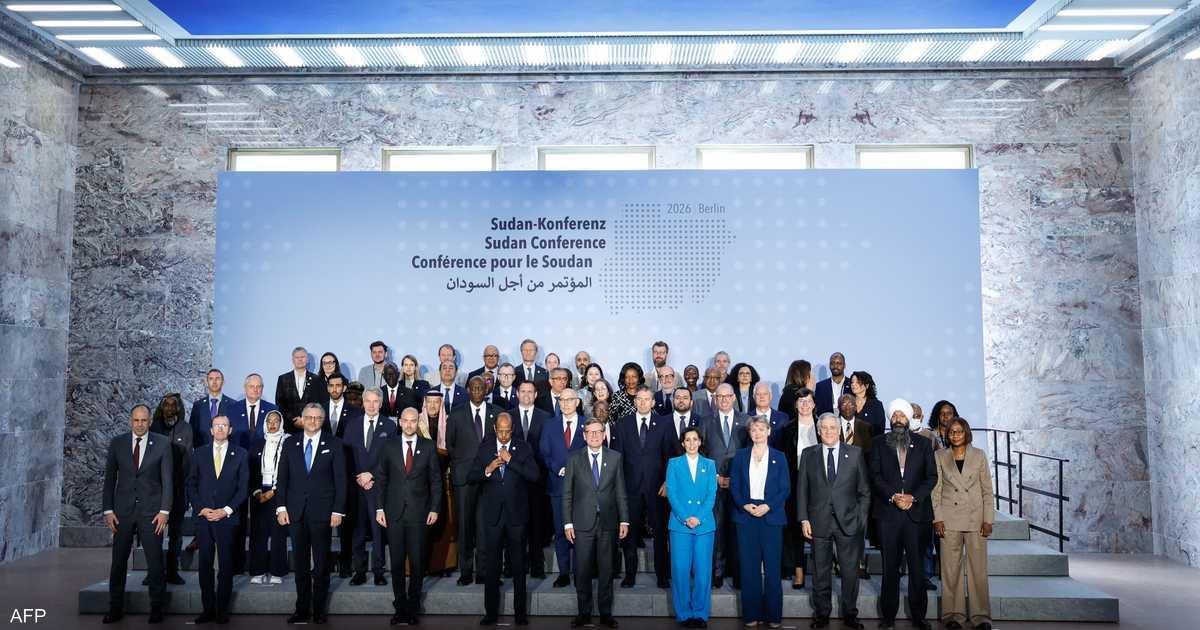
Germany Hosts Berlin Sudan Aid Conference, Pledges €1.3 Billion for War-Affected People
70 sources compared