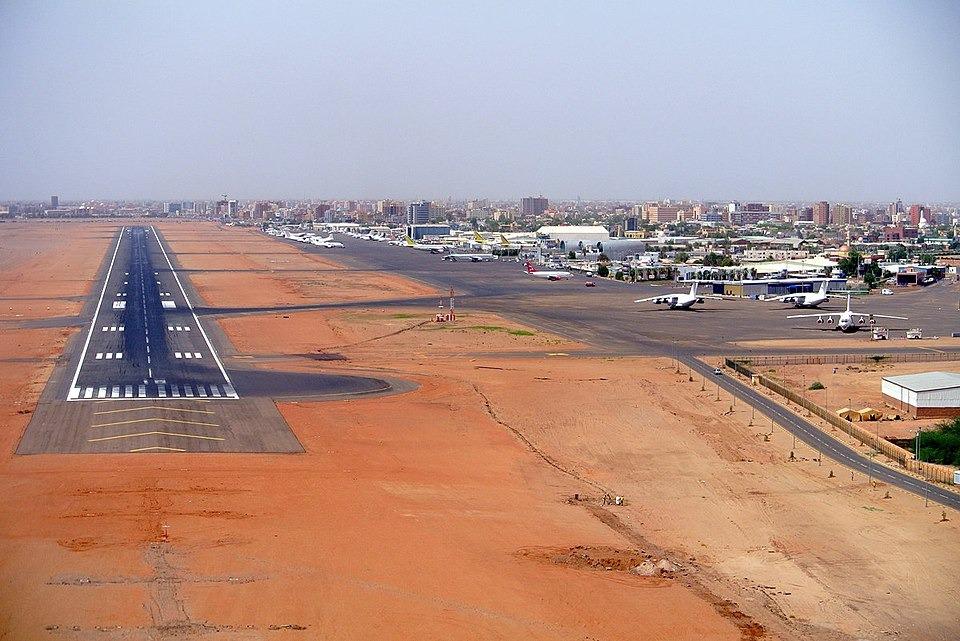
Sudan Recalls Ambassador to Ethiopia After Accusing UAE and Ethiopia of Khartoum Airport Drone Attack
Key Takeaways
- Sudan recalls ambassador to Ethiopia for consultations after Khartoum airport drone attack.
- Sudan accuses Ethiopia and the UAE of involvement in the attack.
- Drones launched from Bahir Dar airport in Ethiopia.
Drone attack and recall
Sudan recalled its ambassador to Ethiopia for consultations after accusing Addis Ababa of involvement in a drone attack targeting Khartoum airport on Monday, according to the Sudan News Agency (SUNA).
“Sudan has recalled its ambassador to Ethiopia, accusing the country of involvement in a drone attack targeting the airport in the capital, the official news agency SUNA reported Tuesday”
The Middle East Monitor reported that Sudanese Foreign Minister Mohi El-Din Salem announced the recall “for consultations” following what he described as a “UAE-Ethiopian drone aggression on Khartoum International Airport on Monday”.
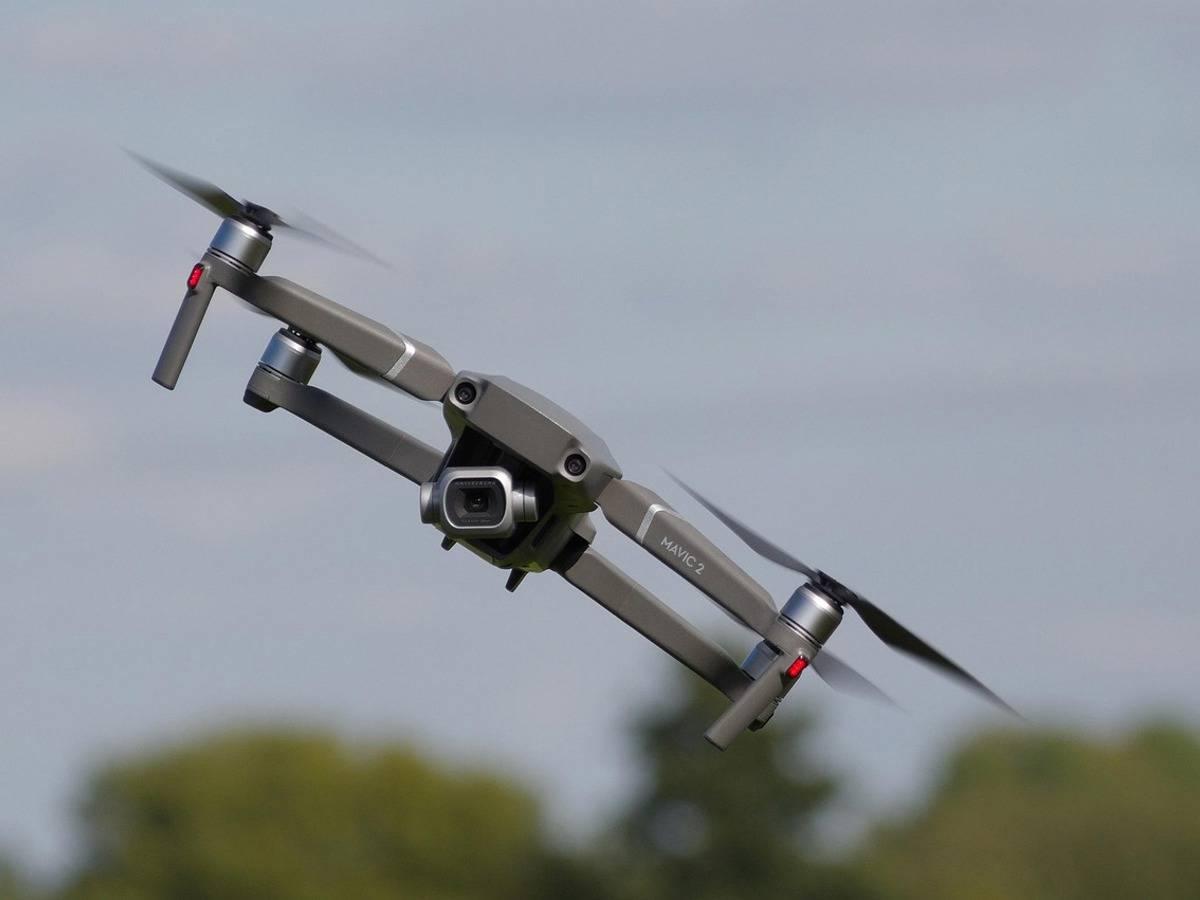
Multiple outlets tied the accusation to Monday’s strikes and to Sudan’s claim that its air defences shot down drones aimed at Khartoum airport, with witnesses reporting explosions and smoke rising from a nearby area.
AnewZ said Sudan’s armed forces accused the United Arab Emirates and Ethiopia of carrying out a drone attack targeting Khartoum airport, and noted that Reuters was unable to independently verify the claims and that neither the UAE nor Ethiopia immediately commented.
Africanews similarly described a Monday assault on the airport in Khartoum that Sudan said was linked to Ethiopia, while stating that the drone was shot down before it could hit the target.
The Jerusalem Post reported that Sudan’s armed forces blamed the Monday drone attack on the United Arab Emirates and Ethiopia, calling it “the latest in a barrage of assaults in recent days that have shattered months of relative calm”.
In parallel, Reuters-linked reporting in AnewZ and the Jerusalem Post both placed the airport attack within a broader pattern of strikes since Friday, including hits on military positions and civilian areas in Khartoum.
Evidence timeline since March 1
Sudan’s accusations were built around a timeline of drone strikes that the government said began on March 1 and continued through the most recent attack on Monday.
CNBC TV18 reported that a Sudanese military spokesperson said the government had evidence that “four drone strikes that have happened since March 1 came from Ethiopia's Bahir Dar airport,” and that Sudan also accused the UAE of supplying the drones.
The Week (AP) similarly stated that a military spokesperson said the government had evidence that “four drone strikes that have happened since March 1 came from Ethiopia's Bahir Dar airport,” and added that Sudan accused the UAE of supplying the drones.
Geeska described Sudan’s military leadership saying it had “documented evidence of drone operations launched from Ethiopian soil,” including three drones conducting “hostile aerial attacks” on March 1 from an airport in Bahir Dar that targeted multiple regions including White Nile, Blue Nile, and North and South Kordofan states.
Geeska also said Sudanese air defenses shot down one of the drones on March 17, and that analysis of the aircraft, including communication with its manufacturer, indicated the drone identified by serial number S88 belonged to the UAE and had been operated from Ethiopian territory.
CNBC TV18 and The Week both tied a March 17 incident to an analysis of a drone that entered Sudanese airspace heading for El-Obeid in Kordofan state, with Brig. Gen. Asim Awad Abdelwahab saying the drone “had originated from the United Arab Emirates and took off from Ethiopia.”
Across outlets, Sudan’s narrative linked the Monday airport attack to drones launched from Bahir Dar, with AnewZ stating that another drone launched from the same location was connected to Monday’s strike.
Reactions and diplomatic friction
Sudan’s foreign minister and military spokespeople framed the accusations as both evidence-based and as a justification for retaliation.
“An attack that inflames regional relations Sudan announced on Tuesday the recall for consultations of its ambassador to Ethiopia, accusing Addis Ababa of involvement in a drone attack against Khartoum International Airport that occurred the day before”
In the joint press conference coverage, CNBC TV18 quoted Sudanese Foreign Minister Mohi al-Din Salem saying, “We do not want to initiate aggression against any country, but whoever attacks us will be met with a response,” and it also reported that Brig. Gen. Asim Awad Abdelwahab said Sudan had analysed data and evidence from a drone entering Sudanese airspace heading for El-Obeid in Kordofan state on March 17.
The Middle East Monitor reported that Salem said it had been “conclusively proven” that the attack originated from Ethiopia, and that Ethiopia “should be a sisterly country”.
The Jerusalem Post quoted Brigadier General Asim Awad Abdelwahab saying, “What Ethiopia and the UAE have done is direct aggression against Sudan and won't be met with silence,” while also reporting that the Information Ministry said earlier that no one was wounded and no damage was caused by the attack on the airport.
Geeska added that Sudan’s officials described the alleged actions by Ethiopia and the UAE as “direct aggression” and a violation of Sudan’s sovereignty and international law, and said Sudan’s armed forces were prepared to respond to any threats.
Geeska also reported that Sudan’s representative to the United Nations, Ammar Mahmoud, warned unnamed countries in a post on his official X account: “Whoever helps ignite a fire in his neighbor’s house will inevitably find the flames reaching his own.”
On the other side, Ethiopia rejected Sudan’s allegations, with Geeska quoting the Ethiopian Ministry of Foreign Affairs saying remarks delivered during a press conference by Sudanese military officials were “baseless accusations” and “unfounded”.
How outlets framed the same claims
While the core allegation—Sudan blaming the UAE and Ethiopia for a drone attack on Khartoum airport—was consistent across reports, outlets differed in how they described verification, the scope of the evidence, and the immediate effects on the airport.
Reuters-linked reporting in AnewZ emphasized that “Reuters was unable to independently verify the claims, and neither the UAE nor Ethiopia immediately commented,” while also describing that strikes since Friday hit both military positions and civilian areas in Khartoum.

The Jerusalem Post similarly said “Reuters could not independently verify the claims,” and it added that “Neither country immediately commented on the allegations made late on Monday.”
In contrast, Geeska and CNBC TV18 leaned more heavily on Sudan’s stated evidence, with Geeska describing “documented evidence of drone operations launched from Ethiopian soil” and CNBC TV18 reporting that the government had evidence that four drone strikes since March 1 came from Ethiopia’s Bahir Dar airport.
The Week (AP) also echoed the “evidence” framing, stating that a military spokesperson said the government had evidence that four drone strikes since March 1 came from Bahir Dar airport and that Sudan accused the UAE of supplying the drones.
Africanews added a different operational detail, saying a drone launched by Sudan’s paramilitary forces targeted the airport but was shot down before it could hit the target, while Sudan accused Ethiopia of involvement.
That framing contrasts with other outlets that described the Monday attack as a drone attack Sudan said was launched from Ethiopia and supplied by the UAE, rather than as a drone launched by the RSF.
Humanitarian and escalation stakes
The drone accusations and the airport targeting unfolded against a wider backdrop of war-related displacement, repeated strikes, and humanitarian strain described in the reporting.
“Sudan’s armed forces have accused the United Arab Emirates and Ethiopia of carrying out a drone attack targeting Khartoum airport, as a renew”
AnewZ said the war between the Sudanese army and the Rapid Support Forces began in April 2023 and described the drone attacks as increasing in recent months, with Khartoum airport repeatedly affected since the war began and forcing its closure and grounding civilian aircraft.

It also said the airport received its first international flight in three years “just last week,” and that Monday’s drone attack again highlighted its vulnerability, even as Sudan’s information ministry said no one was injured and that operations would resume after routine safety checks.
CNBC TV18 and The Week both cited the scale of displacement and deaths, with CNBC TV18 reporting that the UN migration agency said “around 4 million people have returned to Sudan” and that at least 59,000 people have been killed “according to Armed Conflict Location & Event Data”.
The Week (AP) similarly stated that “around 4 million people have returned to Sudan” and that “At least 59,000 people have been killed in this war, according to Armed Conflict Location & Event Data”.
AnewZ added that the UN refugee agency said transport costs to Sudan had more than doubled after the Iran war disrupted shipping routes and drove up fuel prices and insurance premiums, and it said aid previously shipped via the Strait of Hormuz was rerouted through Jordan and Oman while sailing around the Cape of Good Hope would add weeks to delivery times.
The same AnewZ report described additional weekend strikes, saying drones struck Omdurman, al-Obeid, and Kenana, and that at least five civilians were killed when a drone hit a bus in southern Omdurman on Saturday, according to an activist group.
More on Sudan
RSF Drone Strikes Kill Civilians Across Sudan, UN Rights Chief Volker Türk Says
19 sources compared
UNESCO Honors Sudanese Journalists Syndicate With Guillermo Cano World Press Freedom Prize
35 sources compared

UNICEF Warns Five Million Children Face Extreme Deprivation in Sudan’s Darfur
10 sources compared
UNICEF Warns Darfur Children Face New Humanitarian Catastrophe, Homes Schools Hospitals Under Fire
20 sources compared