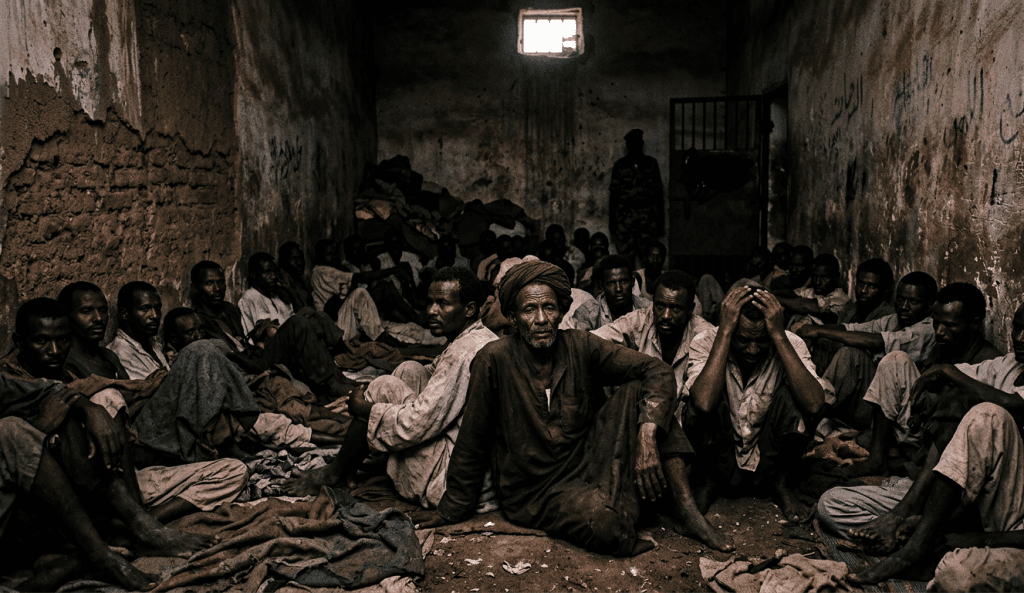
Sudan Urges UN Security Council To Pressure RSF To Release Detainees In Nyala And El Fasher
Key Takeaways
- Sudan asks UN Security Council to press RSF to release more than 20,000 detainees.
- Prisons in Darfur are alleged to hold thousands amid organ trafficking accusations.
- UN sanctions target four RSF commanders over El Fasher atrocities.
Idris letter to UN
Sudan’s permanent representative to the United Nations, Al-Harith Idris, urged the UN and the Security Council to intervene and pressure the Rapid Support Forces (RSF) militia to release thousands of civilian detainees and prisoners of war held in Darfur, including Dagrees Prison in Nyala and Shalla Prison in El Fasher.
In a letter sent on Friday to the President and members of the UN Security Council, as well as the UN Secretary-General, Idris said the RSF was holding approximately 19,800 detainees and prisoners in Dagrees Prison, including 3,795 members of the Sudanese Armed Forces and 5,000 civilians from El Fasher.

Idris described humanitarian and medical conditions inside Dagrees Prison as catastrophic, alleging that the prison hospital lacks sufficient medical staff and essential supplies and that prison guards prevent critically ill detainees from being transferred to outside medical facilities.
He also alleged that detainees were subjected to systematic torture and cruel, inhuman, and degrading treatment, including verbal abuse, humiliating practices, severe beatings, electric shocks, and the extinguishing of cigarette butts on their bodies.
Regarding Shalla Prison, located west of El Fasher and reportedly used after the militia’s capture of the city on 26 October 2025, Idris said approximately 881 military prisoners and 407 civilian detainees were being held there, including 113 children under the age of 18.
Accusations: organ trafficking
Sudan’s government said it sent an urgent, strongly worded letter to the United Nations Security Council warning that RSF practices amount to war crimes and crimes against humanity, and it highlighted Dagris Prison in Nyala and Shala Prison in El Fasher.
The memorandum described an organized network for organ trafficking inside Dagris Prison involving foreign medical personnel believed to be of Colombian and Serbian nationalities, alleging that victims are selected under the pretext of release, transferred to foreign elements in Nyala, and then killed and buried within the headquarters of the 16th Infantry Division to obscure forensic evidence.

The letter also alleged that detainees in Dagris Prison suffered systematic torture including electric shocks and cigarette burns on their bodies, amid severe shortages of food and water, with one small meal per day and more than four deaths per week due to hunger, disease, and the spread of cholera.
In Shala Prison, the memorandum said the RSF was holding 881 military personnel and 407 civilians, and it described 113 children under eighteen with chronic illnesses who had no medical care.
Al Jazeera Net reported that the Sudanese government’s accusations were denied by RSF sources, including an RSF media office official who said the memorandum’s claims were “fabricated” and aimed to “smear the forces and ruin its image.”
Calls for investigation
Sudan’s letters urged international action beyond detention releases, calling for a strong condemnation of abuses and an international investigation into allegations of torture, extrajudicial killings, and organ trafficking in Dagris and Shala prisons.
“The Sudanese government has accused the Rapid Support Forces (RSF) of running an organized network for human organ trafficking inside the Daqris and Shala prisons in El Fasher, the capital of South Darfur State, where about 20,000 detainees, both military and civilian, are held, according to government estimates, a claim denied by RSF sources”
The Sudanese government said the RSF carried out executions and extrajudicial killings, including the execution of 15 injured civilians inside Rashid Internal Ward at El Fasher University after accusing them of belonging to the Armed Forces and the Joint Forces.
It also called for pressure to open safe and unconditional corridors for independent humanitarian and rights organizations to access all detention centers, and it demanded the immediate release of all civilians detained forcibly, especially children, women, and medical personnel.
Al Jazeera Net added that the RSF denied the accusations and said it had ordered a review of detainee conditions, with RSF commander Mohamed Hamdan Daglo (Hemedti) directing a committee chaired by Deputy Prosecutor Ahmed Al-Nour Al-Halla to review conditions in RSF prisons and detention centers.
The RSF account also said it released 260 detainees from Daqris Prison in March, describing the release as the first mass release from one of the largest prisons run by the forces in the country’s west while denying abuses in its prisons.
More on Sudan

Khartoum Rejects Massad Boulos Ceasefire Plan, Demands RSF Withdrawal From Captured Cities
10 sources compared
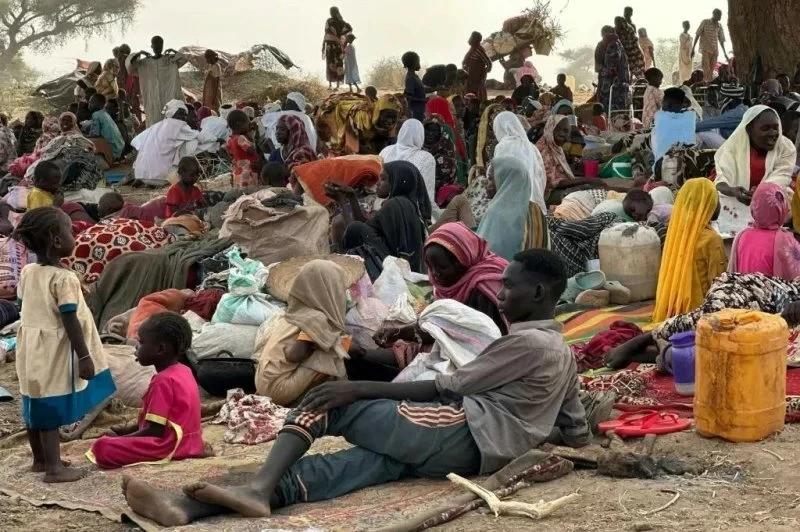
UN Investigators Say RSF Tactics in El-Obeid Bear Hallmarks of Genocide
15 sources compared
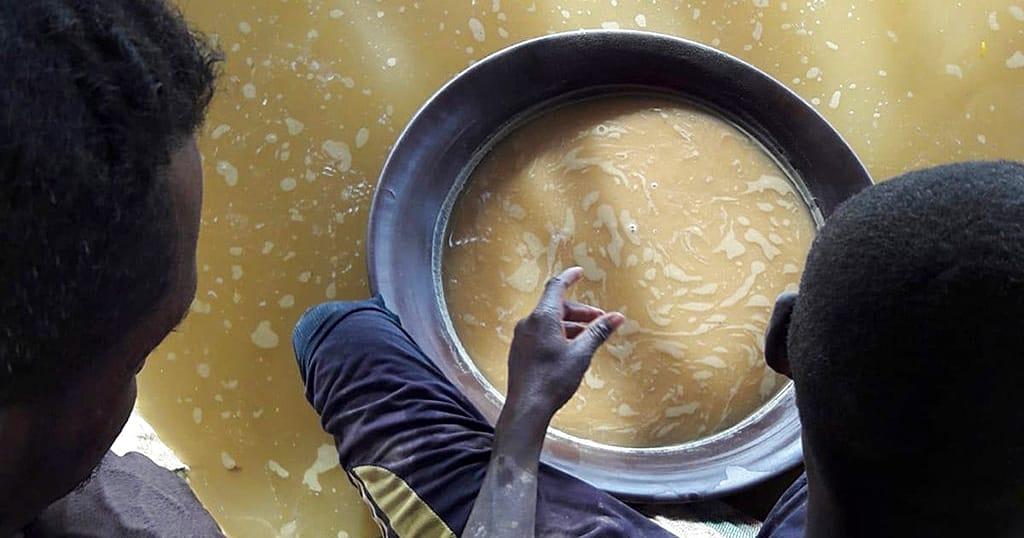
Sudan Gold Mine Collapse Kills 15 Miners At Mohamed Tawfiq Mine Near Egyptian Border
11 sources compared
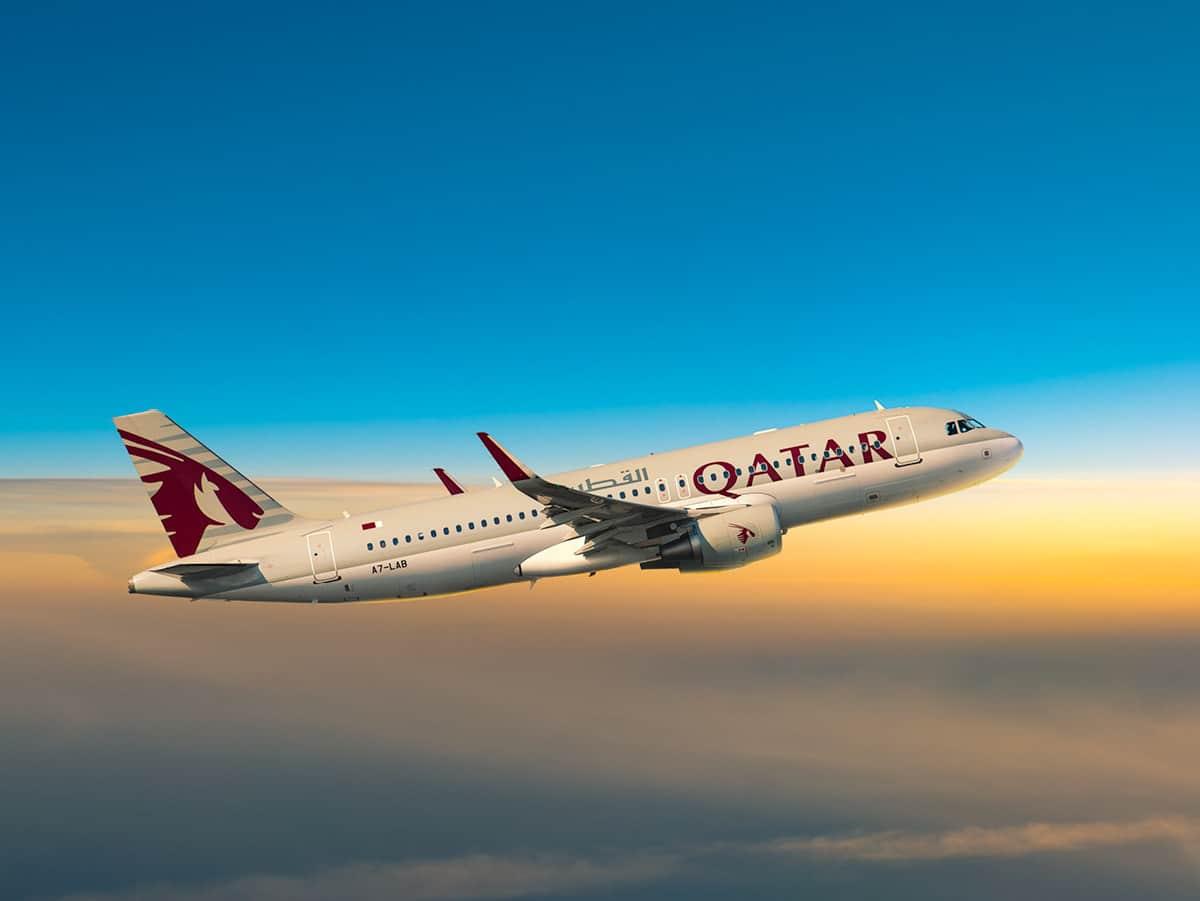
Qatar Airways Launches First Port Sudan Flights From Doha With Airbus A320
10 sources compared