Sudan28 October, 20253 min read
Sudanese Paramilitaries Massacre Hundreds in Darfur Military Stronghold
This article is an automated aggregation of coverage from news outlets. Our editorials offer in-depth analysis curated by the NewsCord team.
Paramilitary Rapid Support Forces seized El-Fasher, Darfur's last military stronghold. RSF killed over 2,000 civilians, including women, children, and elderly, in ethnic massacres.

11 outlets told this the same way.
Outlets did split on Air Strike Destroys Two WFP Trucks Carrying Food for 5,800 People in South Kordofan →
Conflict and Atrocities in Darfur
Paramilitary Rapid Support Forces (RSF) overran El-Fasher, the Sudanese army’s last stronghold in Darfur, after a prolonged siege. Multiple outlets reported killings and mass detentions as the army withdrew, stating it sought to protect civilians from further RSF violence. Western mainstream and local Western sources describe dozens of civilians killed and hundreds detained since the base fell, while noting the military’s stated rationale for retreat.
“Paramilitary Rapid Support Forces (RSF) seized el-Fasher, the last Sudanese military stronghold in Darfur, killing dozens of civilians and detaining hundreds... The Sudanese army withdrew from the city to protect civilians.”
A Western alternative source adds sharper allegations: following the fall, reports of ethnically targeted executions numbering in the thousands against non-Arab indigenous groups surfaced. International monitors warn these acts could constitute war crimes, crimes against humanity, or genocide. Local Western reporting also cites large-scale flight from the city amid the assault.

Atrocities After El-Fasher Fall
Reports differ on the extent and nature of atrocities following the fall of El-Fasher. Local Western coverage accuses the RSF of abuses including summary executions, sexual violence, house-to-house raids, and mass detentions. Satellite imagery and social media indicate mass killings, while the RSF has not responded to these allegations.
Western Alternative reporting highlights an ethnic aspect, targeting Fur, Zaghawa, and Berti communities, citing over 2,000 executions and warning of genocide. Western Mainstream and Local Western sources stress the army's claim that it withdrew to protect civilians amid widespread destruction attributed to the RSF. Casualty numbers vary significantly across different sources.

Escalating Humanitarian Crisis
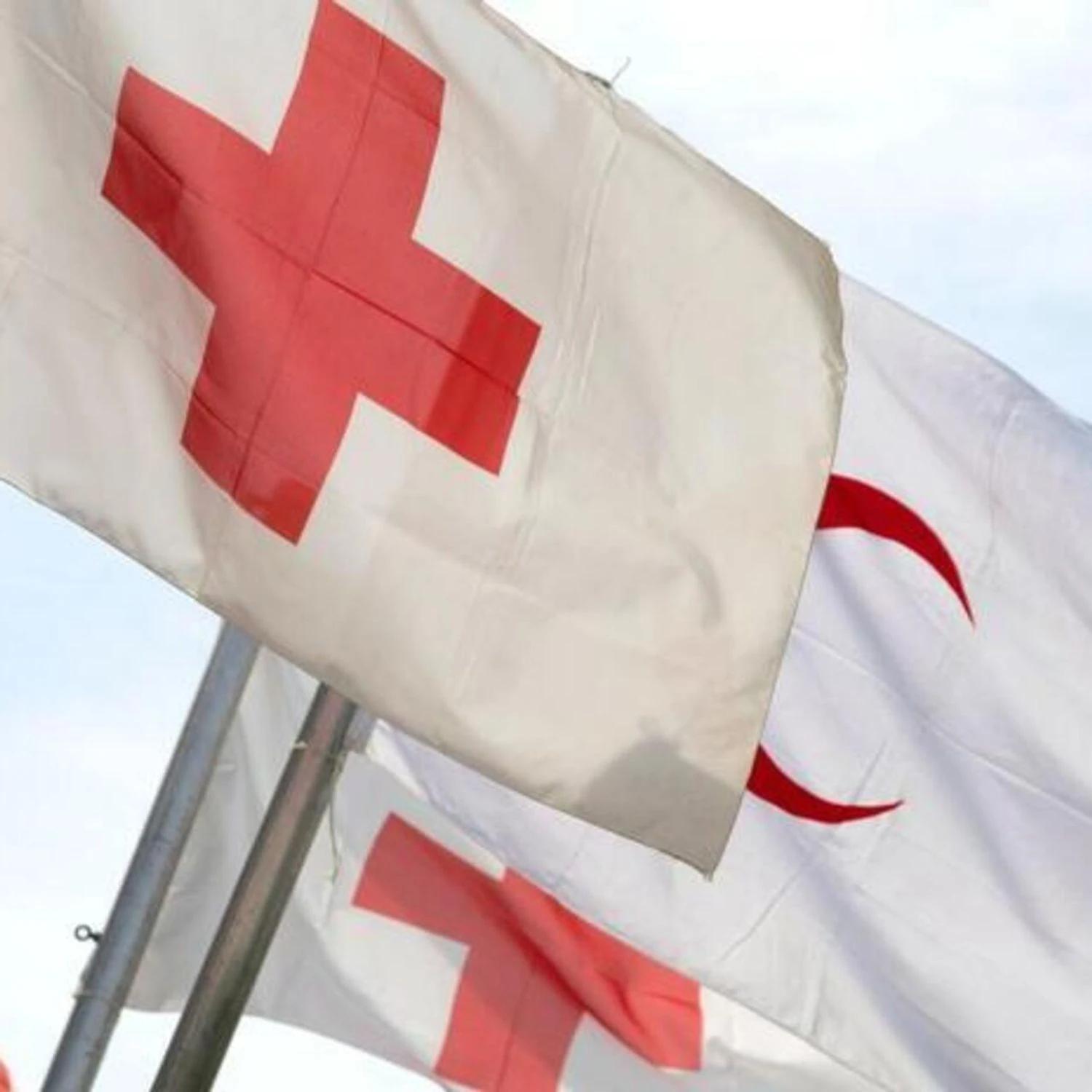
The humanitarian toll is escalating beyond Darfur, with thousands fleeing El-Fasher and neighboring regions. Aid workers are being killed, and displacement is surging in North Kordofan. Local Western and West Asian sources confirm that five Red Cross/Red Crescent volunteers were killed while distributing aid in Bara, with additional volunteers missing.
“Over 26,000 people have fled el-Fasher amid the violence, with many seeking refuge in camps nearby.”
An Asian outlet stresses that the IFRC did not assign blame and notes both warring parties deny responsibility. Another outlet relays UNHCR reports of violence after Bara’s fall, mass displacement, and fears that a siege of El Obeid—home to tens of thousands of internally displaced people—could drastically worsen the crisis.
International Reactions to Conflict
International actors condemned the assault and warned against external interference. Local Western coverage quotes the UN Secretary‑General calling the fall of El-Fasher a ‘terrible escalation’ and urging an end to foreign military support. A Western Alternative source goes further, noting EU, UN and NGO calls for a ceasefire and protection of civilians and aid workers.
It also reports accusations that the UAE is arming the RSF and outlines stalled Washington talks by a Quad (US, Saudi Arabia, Egypt, and another member) pushing a ceasefire and a transitional civilian government excluding both the army and RSF. Meanwhile, Western Mainstream and Local Western outlets spotlight Khartoum’s expulsion of two senior World Food Program officials—declared persona non grata without explanation—while asserting cooperation would continue.

Conflicting Conflict Reports
Timelines and tolls remain contested across outlets. Local Western and Western Mainstream sources characterize the conflict as 31 months long while also stating it began in April 2023. Another Local Western source instead describes an 18-month siege of El-Fasher.
“Approximately 20,000 people have died and over 15 million have been displaced in Sudan.”
Death tolls diverge too: a Local Western outlet cites more than 40,000 killed nationwide since April 2023, while a West Asian outlet cites roughly 20,000 deaths and more than 15 million displaced. These inconsistencies underscore the fluid, contested nature of reporting from a war zone and the difficulty of independently verifying casualty counts and durations in real time.