Sudan08 June, 20263 min read
Sudan’s Blue Nile Violence Kills At Least 60 in Haoussa-Barti Clashes
This article is an automated aggregation of coverage from news outlets. Our editorials offer in-depth analysis curated by the NewsCord team.
Blue Nile clashes kill 60 and injure 163. More than 12 million people displaced in Sudan's conflict.
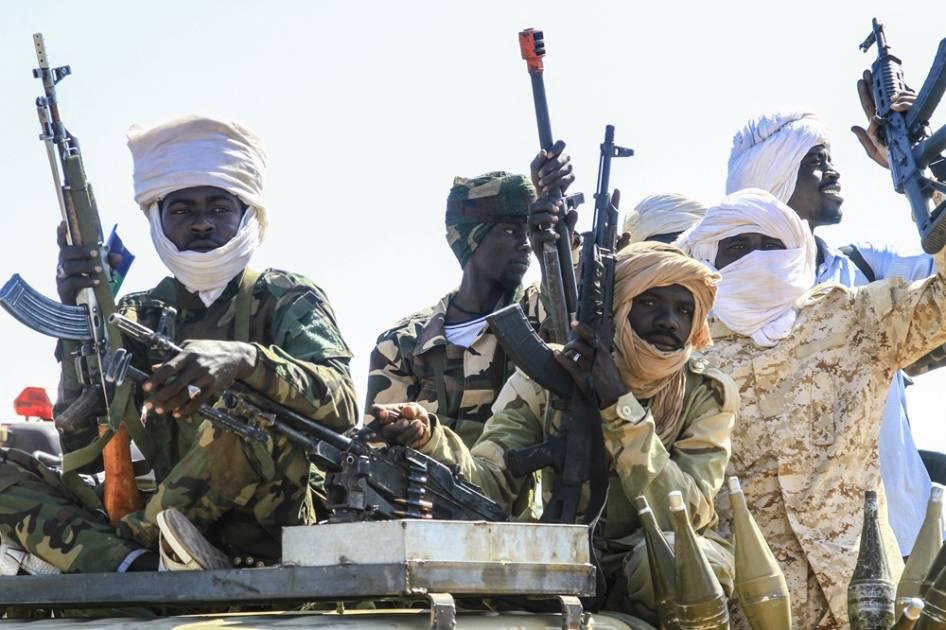
Blue Nile clashes
In Sudan’s Blue Nile region, violence flared for a week after a territorial dispute between the Haoussa and Barti ethnic groups, with the clashes breaking out in the district of Qissan on Monday 11 July and continuing into the weekend. Le Monde.fr, citing the latest death toll released Sunday 17 July by the state health ministry, said at least 60 people were killed and 163 were injured, while VOA Afrique put the figure at 59 dead and a hundred others wounded since the start of the month. Adel Agar, of the municipality of Al-Roseires, asked for reinforcements, saying, « Il nous faut des renforts de troupes pour reprendre le contrôle de la situation », and doctors at the city hospital also called for more support as the number of wounded rose.
In Al-Roseires, AFP quoted resident Fatima Hamad saying, « On a entendu des tirs » and « vu des colonnes de fumée s’élever », and Le Monde.fr reported that soldiers were deployed and a curfew imposed from Saturday. The fighting was described as improving at Qissan while continuing at Al-Roseires, with the Blue Nile governor Ahmed Al-Omda telling state television that the situation was in “voie d’amélioration à Qissan” as clashes continued near Al-Damazine.
Voices and accusations
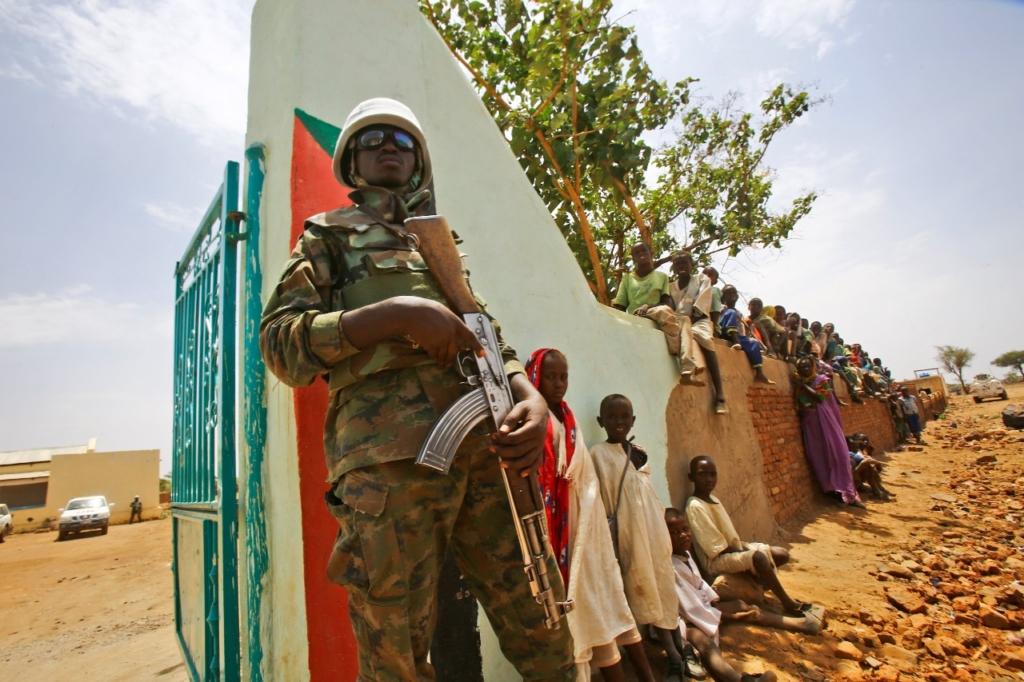
In the dispute over land governance, Le Monde.fr reported that an unnamed dignitary of the Haoussa said the conflict escalated because his clan has long demanded « la formation d’une autorité civile locale pour superviser l’accès aux terres, ce que refusent les Bartis », while a Barti dignitary said his clan responded « à une violation des terres des Bartis ». VOA Afrique framed the violence as threatening a fragile transition, noting that the militaro-civil government faces « plusieurs défis de taille » and that reconciliation is a priority for Prime Minister Abdallah Hamdok after he launched negotiations with rebel groups. Le Monde.fr also quoted UN envoy Volker Perthes calling for « des mesures concrètes pour aller vers une coexistence pacifique », and urging « cesser les représailles » as the fighting continued around Al-Roseires.
VOA Afrique added that a security expert, speaking anonymously, said the violence has moved into urban areas, judging that « ils ont gagné les zones urbaines aujourd'hui », and that this threatens the peace negotiations already at a standstill. The same VOA Afrique report included a political analyst, Mahgoub Saleh, saying « Une culture de la guerre s'est accentuée avec la prolifération d'armes illégales et le nombre de milices a augmenté » as the unrest complicated efforts to stabilize the country.
What is at stake
Beyond the immediate clashes in Blue Nile, VOA Afrique said the broader pattern of tribal violence has complicated the transition, warning that the new government in Khartoum has struggled to exercise control over the entire territory. It linked the renewed fighting to the wider security environment, quoting a political analyst Nour Hamad that « certains essaient de saboter la sécurité et la stabilité » du pays, and describing how tribes can arm themselves through cross-border weapons markets with Ethiopia and Eritrea. Amnesty International France said Sudan has seen a new surge of violence since April 15, 2023, and stated that « plus de 12 million forcibly displaced » while civilians suffer from « le manque d'aide humanitaire ».
The same Amnesty report said the RSF and allied Arab militias carried out « des attaques ciblées basées sur l'ethnicité » against the Masalit and other non-Arab communities in Western Darfur, and it warned that the perpetrators of past crimes are still at large. In parallel, UN News said the conflict has led to « the convergence of a humanitarian calamity that is worsening and a catastrophic human rights crisis », with nearly nine million people needing humanitarian assistance and reports that about 4,000 people were targeted and killed because of their ethnicity.