USA31 August, 20263 min read
U.S. Supreme Court Lets Trump Continue White House Ballroom Construction After 5-4 Ruling
This article is an automated aggregation of coverage from news outlets. Our editorials offer in-depth analysis curated by the NewsCord team.
Supreme Court 5-4 allows $400 million White House ballroom construction to continue. Ruling hinges on standing of the filing group, not project merits.
36 outlets told this the same way.
Supreme Court lets work
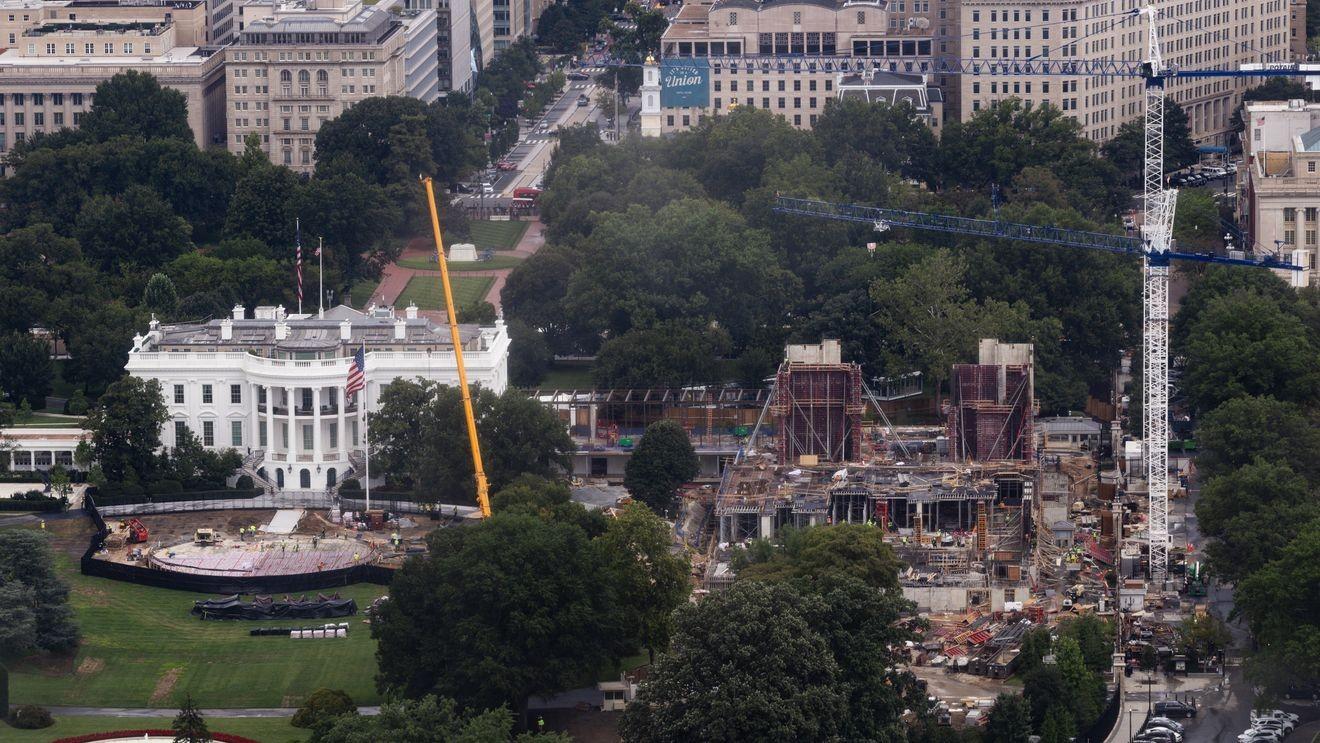
The U.S. Supreme Court ruled 5-4 that construction of a $400m (£297m) ballroom at the White House can go ahead, granting the Trump administration's emergency request that blocked lower court rulings halting the above-ground portion of the project.
The decision cleared the way for President Donald Trump to continue building the nearly 90,000 square foot (8,400 sq m) ballroom after the historic East Wing of the executive residence was demolished last autumn to begin the project.

In Monday's unsigned order, the five justices who cleared the way said lower courts had "likely exceeded" their authority in blocking the ballroom, while the majority did not decide whether the East Wing project itself was lawful.
Chief Justice John Roberts, who dissented, wrote that "construction is likely unlawful" because Congress has not approved the project.
The National Trust for Historic Preservation filed the challenge, arguing the president did not have unilateral authority to proceed with construction, and the Supreme Court said the group "lacks standing" to sue.
Roberts, Hoagland, Trump
Roberts joined the court’s three liberal justices in dissent, arguing the harm claimed by National Trust member Alison Hoagland was sufficient for the lawsuit to proceed, and he wrote that "construction is likely unlawful". Hoagland, who lives in Washington DC and serves on the trust's board of trustees, asserted that she would "suffer both professional and personal injuries, including to my aesthetic, cultural and historical interests" if the ballroom were built. The Supreme Court majority rejected that standing theory, writing that "mere offense, disagreement, or distaste does not qualify as a concrete and particularized injury" required to sue.
Trump reacted by posting that he was "pleased" the "baseless" lawsuit had failed to halt construction, adding, "We are living in the Golden Age of America, and this Building will be one of the Greatest ever constructed in Washington, DC,". Brent Leggs, president and CEO of the National Trust for Historic Preservation, said the group was "deeply disappointed" and noted that the majority did not weigh in on whether the ballroom project was in fact legal.
What happens next
The Supreme Court’s resolution left the underlying legality question open, with the majority concluding only that the National Trust likely lacks Article III standing to challenge the project in federal court.
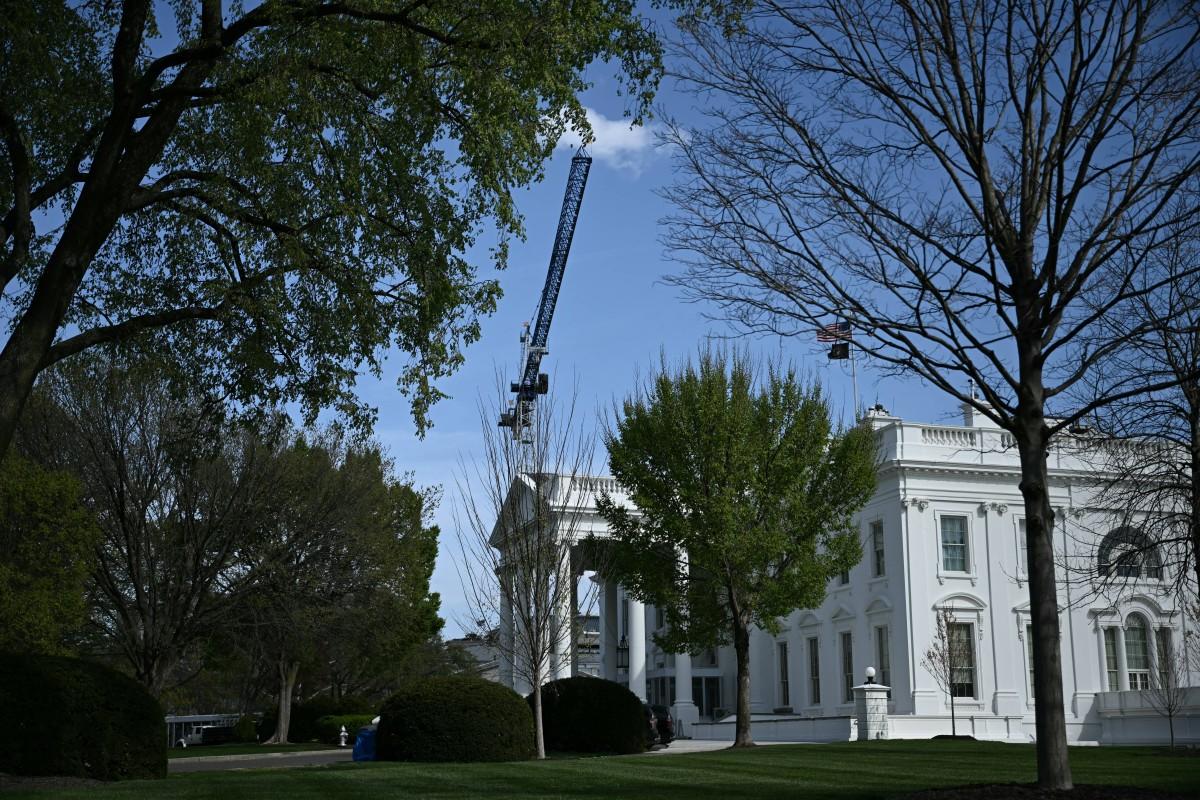
NBC News reported that the administration said construction was 65% complete as of Aug. 24, with a 250-person crew working 20 hours a day, seven days a week, while the White House said the $400 million project would be funded entirely by private donations.
The ruling also followed an interim decision on Aug. 21 that temporarily allowed construction to continue while the court reviewed the administration’s emergency appeal, and it maintained that scenario as litigation continued in lower courts.
In its dissent, Roberts warned that "Today's decision is no victory for the separation of powers," while the majority said it did not pass on the legality of the government’s East Wing project.
Reuters later reported that Yaakov Roth, a Justice Department lawyer who defended the ballroom project in lower and appeals courts, left to rejoin Jones Day on Sept. 8 as a partner in Washington, after arguing 11 appeals on the government's behalf.