Europe25 September, 20262 min read
Swiss Voters Approve Stricter Neutrality Rules, Limiting NATO Cooperation And Sanctions Participation
This article is an automated aggregation of coverage from news outlets. Our editorials offer in-depth analysis curated by the NewsCord team.
Voters consider enshrining a stricter neutrality in the constitution, limiting NATO cooperation. The proposal restricts participation in sanctions and blocks certain NATO-related military cooperation.
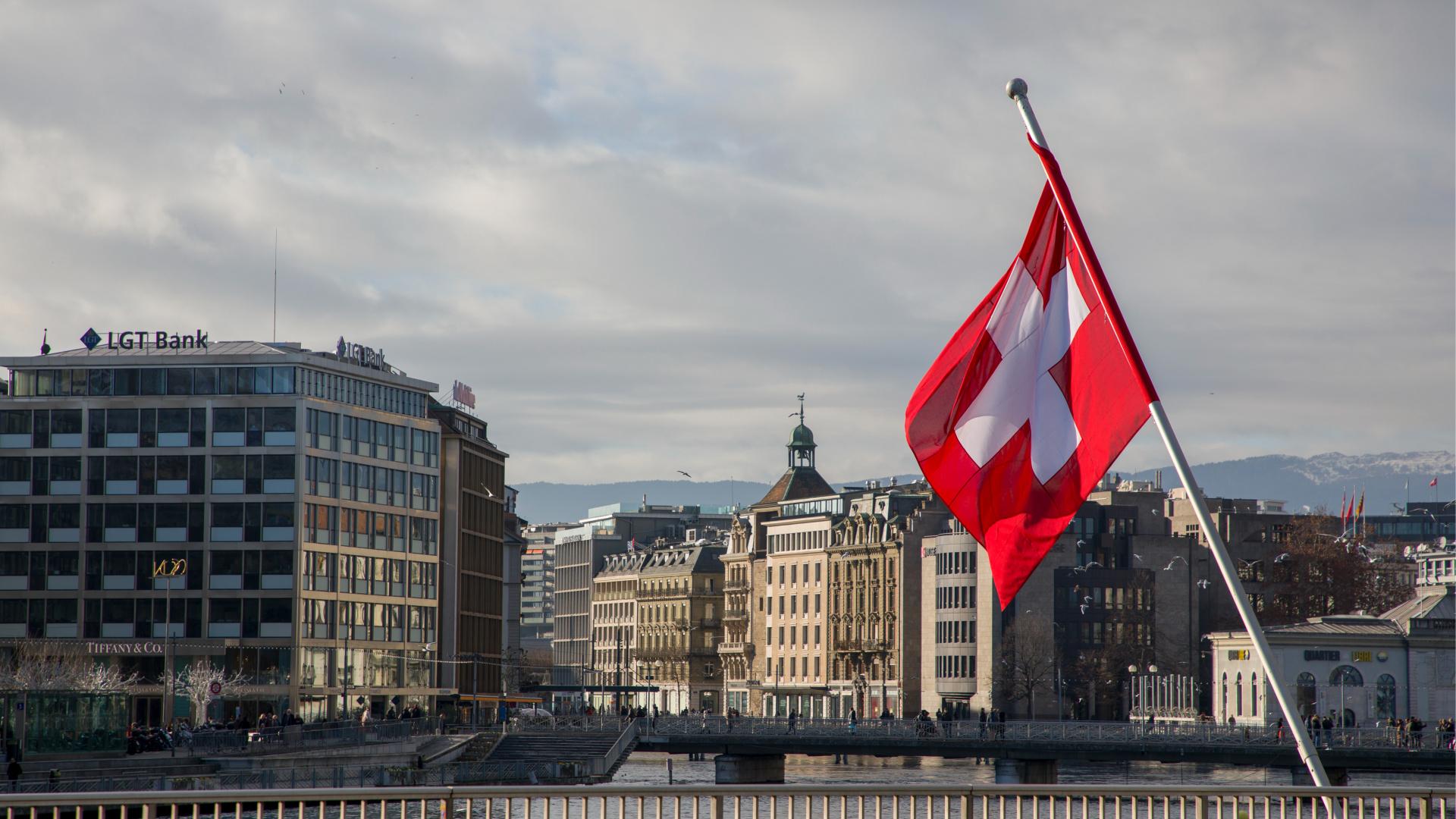
Swiss neutrality referendum
Swiss voters went to the polls Sunday on a proposal to write stricter rules on neutrality into Switzerland’s constitution, including limits on military cooperation with NATO and participation in sanctions. The referendum seeks to establish a more restrictive definition of Swiss neutrality, which has been internationally recognized since 1815 but whose implementation is not explicitly defined in the constitution. The right-wing Swiss People’s Party (SVP) backed the initiative, and the campaign supporting the proposal used the slogan “No war, yes to neutrality” on posters across the country.
Fabio Wasserfallen, a professor of European Politics at the University of Bern, said Swiss voters continued to support neutrality while also backing the government’s current approach to implementing it, including sanctions against Russia. Christoph Blocher said Switzerland’s neutrality had been followed less closely in recent years and argued that Russia now regards the country as a party to the conflict because of its sanctions.

NATO limits and sanctions
The proposal would bar Switzerland from joining or cooperating with military or defense alliances unless the country were attacked, and it would require Switzerland to refrain from joining sanctions unless they were approved by the United Nations. Foreign Minister Ignazio Cassis said the changes could affect national security and restrict Switzerland’s ability to conduct military training with NATO. The Reuters account said the referendum would decide whether a more restrictive form of neutrality would block Switzerland from imposing economic sanctions or cooperating with NATO.
Fabio Wasserfallen told Reuters that “Swiss voters like neutrality, but they approve of how the government is implementing it at present.” Christoph Blocher told Reuters that “Switzerland has not had a war for 200 years because it is permanently armed and neutral,” while also arguing that neutrality had been followed less and less in recent years.
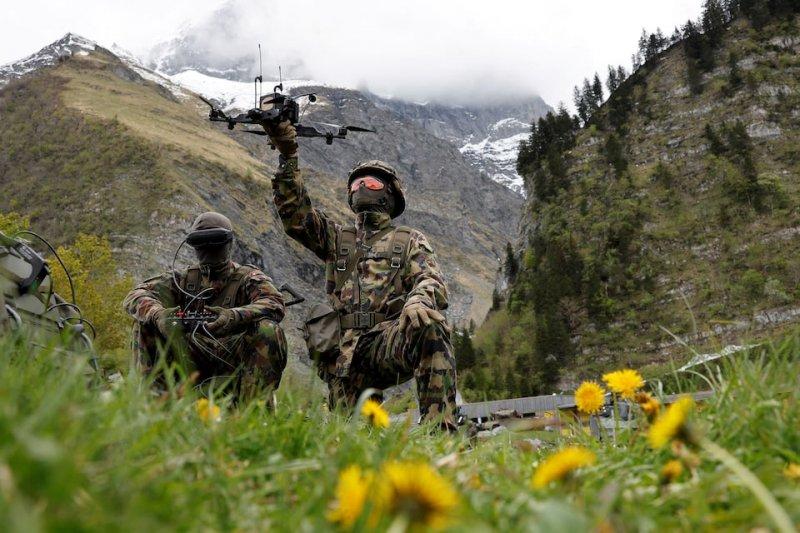
Polls and political stakes
Opinion polling cited by Reuters showed 68% of respondents opposed the proposal and 31% in favor, while the polling results do not determine the outcome of the referendum. Another poll cited by Reuters showed 68% against with 31% in favour, and the campaign urged voters to reject the proposal with posters featuring white peace doves ahead of the vote. The Operativ Məlumat Mərkəzi article said a GFS Bern poll cited by Reuters found 63% of respondents oppose the proposal, while 34% support it, and it also noted another poll putting the share of opponents at 68%.
The Operativ Məlumat Mərkəzi article quoted Foreign Minister Ignazio Cassis saying, “Switzerland has been neutral and will remain neutral.” The Reuters account said most parties and the Swiss government oppose the proposal, with Cassis warning it would harm national security and prevent training with NATO.