Syria Accuses Hezbollah-Linked Cells of Plotting Attacks, Arrests Follow in Damascus
Key Takeaways
- Syria says it foiled Hezbollah-linked plot to launch rockets across border from Quneitra.
- Plot aimed to assassinate a religious figure in Damascus.
- Hezbollah denies involvement, calls accusations false; no presence in Syria.
Damascus accuses Hezbollah-linked cells
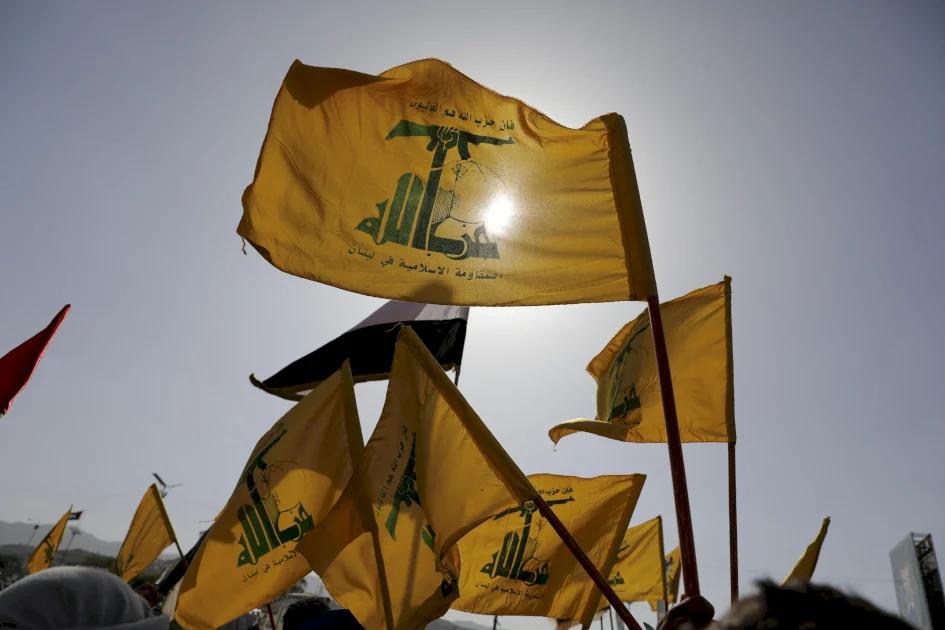
Syrian authorities have accused Hezbollah-linked cells of plotting attacks inside Syria and across its borders, issuing the allegations in successive security statements and saying their recent security operations—concentrated in Damascus and its surroundings—have led to arrests and the seizure of weapons and explosive materials.
The accusations frame the alleged plots as including foiled attempts involving rocket launches, drones, and assassination attempts, with the claims tied to a broader organizational structure and, in the official narrative, some cells receiving training abroad.
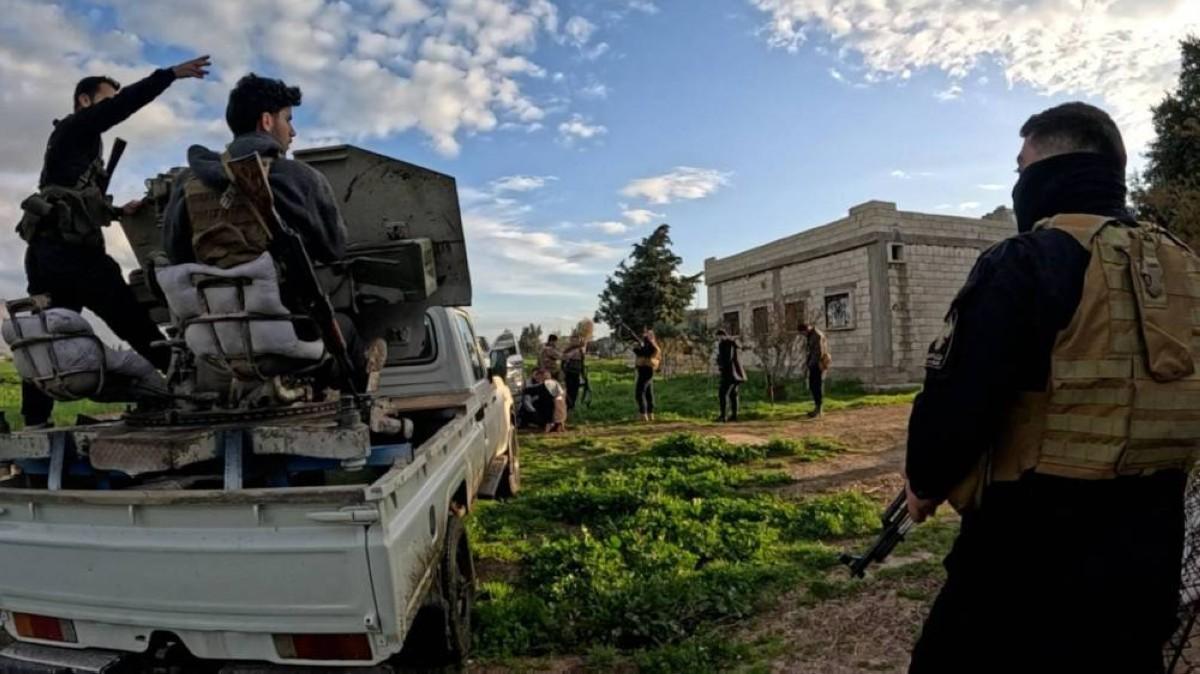
The reporting describes the accusations as a “striking turn in the relationship between Damascus and a group that helped prop up Bashar Assad during the Syrian civil war,” after Bashar Assad’s flight to Moscow on December 8, 2024.
In the same accounts, Hezbollah categorically denied the accusations, describing them as false, while providing no further details.
The Jerusalem Post’s framing says the accusations “mark[] a striking turn in the relationship between Damascus and a group that helped prop up Bashar Assad,” and it repeats the timeline of arrests and thwarted plots described in the underlying security statements.
The Media Line’s reporting also includes the claim that the allegations remain independently unverified amid ongoing restrictions on media access within Syria, even as Damascus presents them as part of a multi-objective operational pattern extending beyond local activity to a broader regional scope.
A timeline of arrests and plots
The security statements described in the reporting place multiple incidents close together, beginning with an announcement on February 1, 2026 that security agencies arrested a cell allegedly behind attacks targeting the vicinity of Mezzeh Airport in Damascus.
The same accounts then say that on April 11 a five-person cell was apprehended after authorities said they had thwarted an attempt to plant an explosive device near a religious site in the capital, with investigations indicating the members had received training abroad with the aim of carrying out assassinations.

Days later, on April 18 and 19, the Interior Ministry announced the dismantling of another cell composed of five members, reportedly linked to Hezbollah and planning to launch rockets across the border with the aim of destabilizing the situation.
The reporting emphasizes that Syrian authorities have announced “at least three main cells in less than three months,” with their activities described as ranging from internal assassinations and explosive devices to cross-border rocket fire.
The accounts also say the operations were concentrated in Damascus and its surroundings, and that authorities claimed to have seized weapons and explosive materials as part of the disruption effort.
In a separate incident described by FDD’s Long War Journal, Syrian state media reported on April 19 that Syria had “foiled a sabotage plot by a cell linked to the Hezbollah terrorist militia,” with SANA citing a source at the Interior Ministry.
That FDD account adds that the cell had reportedly planned to carry out rocket attacks and that “Five members [of the Hezbollah cell] were arrested as part of ongoing efforts to disrupt terrorist activity,” while also referencing another April 18 report about a terrorist cell and weapons and military gear.
Hezbollah denies; analysts frame a sovereignty fight
Across the reporting, Hezbollah’s response is described as categorical denial without detailed engagement, while Syrian analysts interpret the pattern as something deeper than routine counterterrorism.
The accounts say Hezbollah “has categorically denied the accusations, describing them as false,” and that the group’s approach “often avoids engaging in open media disputes, especially when field information remains unclear.”
The reporting then quotes Syrian political analyst Mustafa al-Naimi describing the situation as “an indicator of a sovereignty struggle within the Syrian state itself,” arguing that “the past years witnessed the emergence of something resembling multiple centers of power within Syria, where forces such as Hezbollah operated within semi-independent security and military networks.”
Al-Naimi adds that “if the current authorities are moving against these networks, this means they are attempting to restore the legitimate monopoly over sovereignty, a profound structural shift, not merely a transient political tension,” and he warns that “any confrontation in this context will not be only with Hezbollah, but with the entire model of influence that took root during the war.”
Another voice in the reporting, Syrian researcher Shifa Sultan, tells The Media Line that “the issue goes beyond a dysfunction in the bilateral relationship between Damascus and Hezbollah, extending into the core of Iran’s axis itself.”
The same account also includes a regional framing that ties the alleged Hezbollah presence to Iran’s strategy and Israel’s view of it as a threat, with the reporting stating that “Israel, meanwhile, sees that presence as a direct threat and has intensified its strikes against related targets inside Syrian territory in recent years.”
In the nabdapp account, Omar Suloum is quoted as saying that “many Syrians today see Hezbollah not as an ally of the former regime but as an adversary,” reinforcing the internal political sensitivity described by the other analysts.
Different outlets emphasize different angles
The same underlying set of allegations is presented with different emphases across outlets, shaping how readers understand the significance of the arrests and alleged plots.
The Jerusalem Post frames the developments as signaling “a rift with Assad,” while also repeating the core claims that Syrian authorities accused Hezbollah-linked cells of plotting attacks inside Syria and across its borders and that the allegations were issued in successive security statements.

The Media Line text embedded in the Jerusalem Post account highlights the official narrative that some cells received training abroad and were linked to a broader organizational structure, while also stressing that the claims remain independently unverified amid restrictions on media access within Syria.
In the other account, the emphasis is on the historical alliance between Hezbollah and Bashar Assad’s regime, describing Hezbollah as “a key player in supporting the previous Syrian authorities during the years of war,” and it places the current accusations in that context as a possible sign of “a deep shift in the alliances formed over the past decade.”
Meanwhile, the nabdapp account describes the episode as “a major political shift,” saying the new Syrian authorities charged Hezbollah-linked cells with planning various attacks inside Syrian territory and describing the dismantling of at least three cells in a short period.
FDD’s Long War Journal, by contrast, focuses on the operational counterterrorism framing through Syrian state media reports, stating that Syria’s Interior Ministry and General Intelligence Service “thwarted a plot by a Hezbollah cell” and that the operation involved rocket attacks and arrests of “Five members [of the Hezbollah cell].”
Across these presentations, Hezbollah’s denial remains consistent, but the interpretive layer—rift with Assad, sovereignty struggle, or major political shift—varies by outlet.
Regional stakes and next moves
The reporting situates the Syrian accusations within a wider regional contest involving Iran and Israel, while also describing additional Syrian state actions beyond the cell dismantlings.
At the regional level, the accounts say developments are “difficult to separate from the broader network of balances involving actors such as Iran and Israel,” with Iran described as “the main supporter of both Damascus and Hezbollah” and viewing Hezbollah’s presence in Syria as part of its regional strategy.
The same accounts state that “Israel, meanwhile, sees that presence as a direct threat and has intensified its strikes against related targets inside Syrian territory in recent years,” linking the alleged Hezbollah-linked plots to a broader security environment.
In the FDD account, Syria’s envoy to the UN, Ibrahim Olabi, told a UN Security Council session on April 22: “We call for an end to Israel’s aggressive policies through compliance with international legitimacy and Security Council resolutions,” and the report also notes that Syria’s president arrived in the United Arab Emirates for meetings as part of a larger Gulf tour to discuss regional issues.
The FDD account also describes a separate April 18 incident in which Syrian and Iraqi authorities cooperated to dismantle drug trafficking networks, leading to the arrest of two suspects, as part of “ongoing efforts to dismantle drug trafficking networks.”
In the nabdapp account, the current Syrian leadership is described as not viewing the events as “mere acts of individual violence,” but as part of an organized pattern with a broader regional agenda.
Across the accounts, the stakes are framed through the possibility of a structural shift in Syria’s internal power arrangements, with Mustafa al-Naimi warning that any confrontation would not be only with Hezbollah but with “the entire model of influence that took root during the war.”
More on Syria
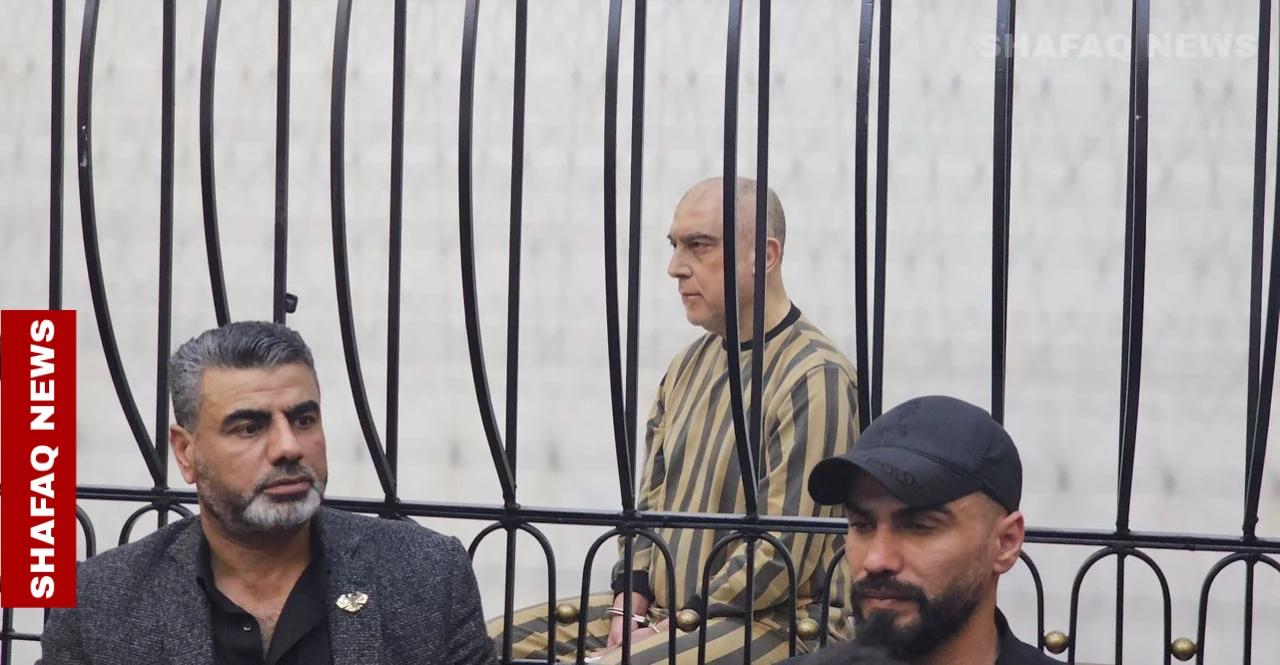
Syria Puts Atef Najib on Trial in Damascus for 2011 Crackdown
52 sources compared
Syrian Authorities Arrest Amjad Yousef, Main Suspect in 2013 Tadamon Massacre
58 sources compared

FBI, House Oversight Committee Probe Deaths and Disappearances of U.S. Nuclear, Aerospace Scientists
13 sources compared

Damascus And SDF Hold Consultations To Implement January Agreement In Hasakeh
11 sources compared