Syria05 November, 20263 min read
MapSyria And Saudi Arabia Sign Six Concessional Loan Agreements Worth Over $403 Million
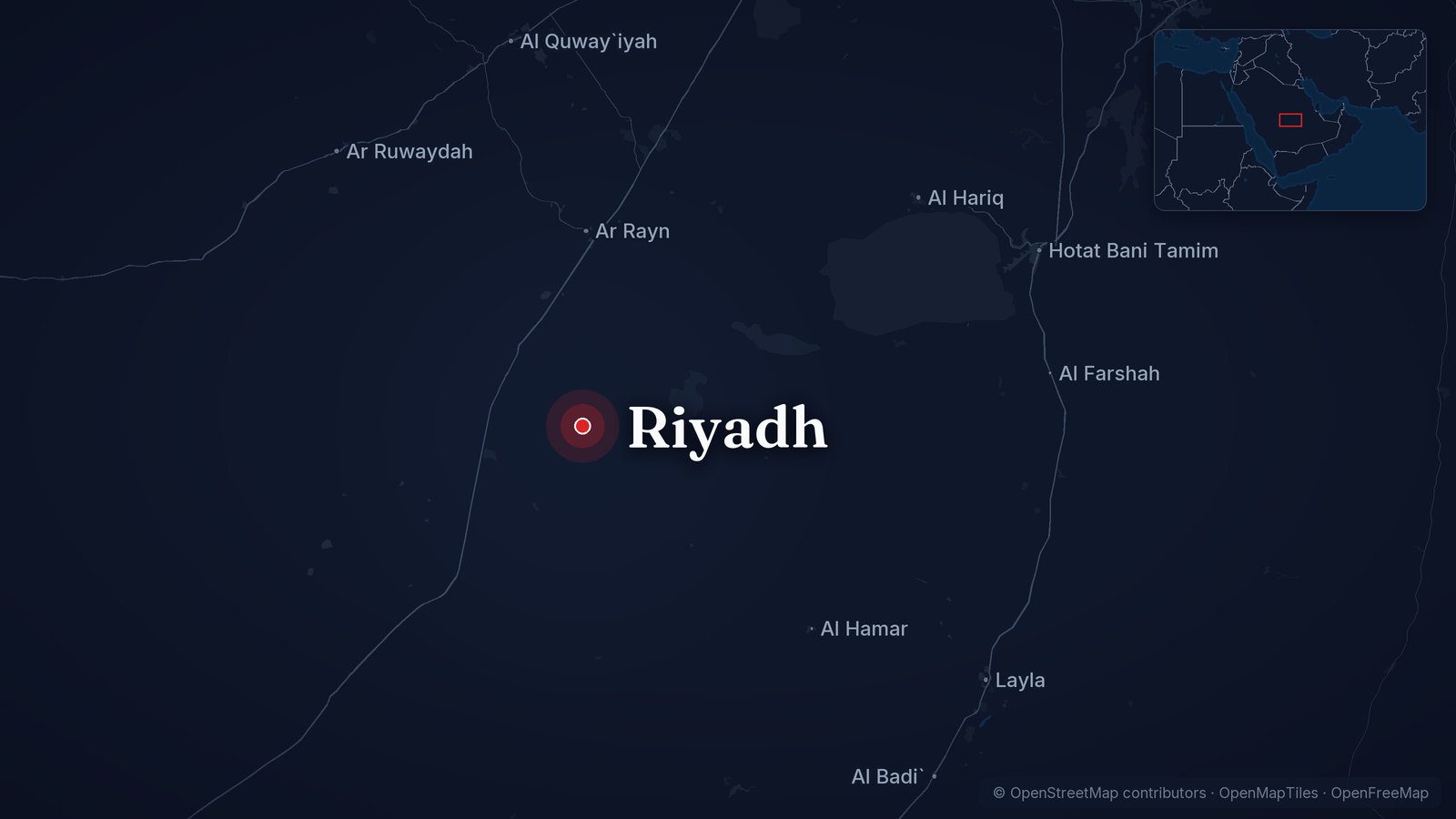
4 West AsianMap: © OpenStreetMap contributors, ODbL · Cropped for layout
This article is an automated aggregation of coverage from news outlets. Our editorials offer in-depth analysis curated by the NewsCord team.
Six concessional loan agreements totaling $403 million signed by Saudi Fund for Development for Syria Funds will finance electricity, water, health, housing, emergency, and digital transformation projects
Save coverage image
4 outlets in this story. Read their headlines below.
Saudi loans for recovery
Syria and Saudi Arabia signed six concessional development loan agreements totaling more than $403 million on the sidelines of President Ahmed al-Sharaa’s visit to Riyadh, with the Saudi Fund for Development funding projects in electricity, water, health, housing, emergency, and digital transformation. The Syrian Ministry of Finance said the agreements were signed in the presence of Crown Prince Mohammed bin Salman, the Prime Minister, and on the Syrian side by Finance Minister Mohammed Yusur Berniyeh, and on the Saudi side by the CEO of the Saudi Fund for Development, Sultan bin Abdulrahman Al-Mershed. The agreements allocated 90 million dollars to rehabilitate the Aleppo Thermal Power Plant to restore electricity production capacity and provide a stable supply to about 5 million people, and they allocated 30 million dollars to update the drinking water measurement system by supplying and installing 300,000 smart prepaid meters targeting about 1.5 million people.
The agreements also set out a 20-year repayment period with a five-year grace period, and the financing was distributed across six critical sectors aimed at rehabilitating damaged infrastructure and improving essential services. The Syrian Ministry of Finance described the package as the first batch of a list of service and basic projects being funded through concessional development loans offered by the Saudi Fund for Development.
Debate over burden
Mohamed al-Bakkour, head of the Syrian Economists Syndicate, said the issue was not borrowing per se but directing loans to priority projects that achieve economic and developmental returns commensurate with their cost. Ziad Arbash argued that the loans “are not facilitation in a charitable sense; they are developmental loans to be repaid over 20 years, not grants,” and he said the classification matters because “the street in Syria may think the Saudi funds came as unconditional support.” Firas Shaba’ told Syria Now that the announced loans “are closer to a good loan that often has no interest,” and he said the projects target specific developmental sectors rather than leaving the borrower free to use funds at will.
Shaba’ minimized the expected impact by saying the amount was “modest relative to reconstruction costs estimated at about $220 billion,” while he also said the real test would be the Syrian economy’s ability to convert funding into production, jobs, and revenues. Bakkour linked the concessional loans to urgent needs in electricity, water, sanitation, roads, and health that cannot be delayed until private investment becomes available, and he said investors first require a suitable environment with electricity, water, roads, and services and infrastructure.
Implementation and next steps
The Syrian Ministry of Finance said the agreements were aimed at supporting recovery efforts and rehabilitating infrastructure while improving essential services, and it described the projects as distributed across sectors including civil defense and digital transformation of government financial services.
The agreements allocated 105 million dollars to establish, rehabilitate, and equip 25 Civil Defense centers in several provinces to enhance emergency response, disaster management, debris and mine clearance, and road and agricultural land clearing, and the project was described as benefiting more than 7 million people.
The agreements also included a loan of 60 million dollars to rehabilitate up to 10,000 damaged housing units in different areas, and they allocated 100 million dollars to rehabilitate, establish, and equip hospitals and health centers to restore basic and specialized health services.
The Al-Jazeera Net analysis said the real impact would depend on the ability of Syrian institutions to implement projects, ensure results reach the population, and convert announced financing into tangible improvements in service levels and living standards.
The same analysis tied the loan package to broader constraints on investment, quoting U.S. Special Envoy to Syria Tom Barak saying that under current conditions it is “extremely challenging” for international companies to enter the Syrian market.