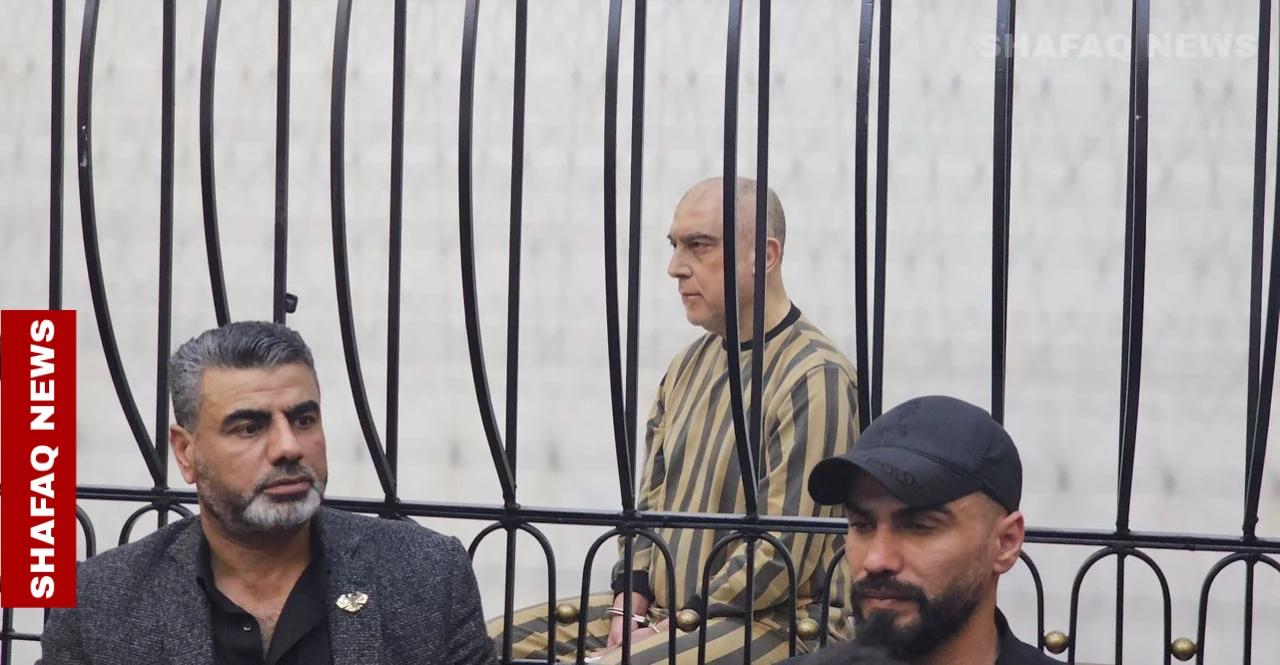
Syria Puts Atef Najib on Trial in Damascus for 2011 Deraa Crackdown
Key Takeaways
- Atef Najib, former head of Daraa's Political Security, faces public trial in Damascus.
- First public trial of Assad-era officials, addressing 2011 crimes against civilians.
- Families of victims attended as Damascus court opened transitional-justice proceedings.
First public trial in Damascus
Syria began its first public trial of officials who served under longtime leader Bashar al-Assad, with trial proceedings opening in Damascus on Sunday for Atef Najib, the former head of political security in southern Syria’s Deraa province.
Al Jazeera reported that Najib is accused of overseeing a violent crackdown on protesters there during the 2011 uprising and faces charges related to “crimes against the Syrian people”, according to Syria’s state-run news agency, SANA.
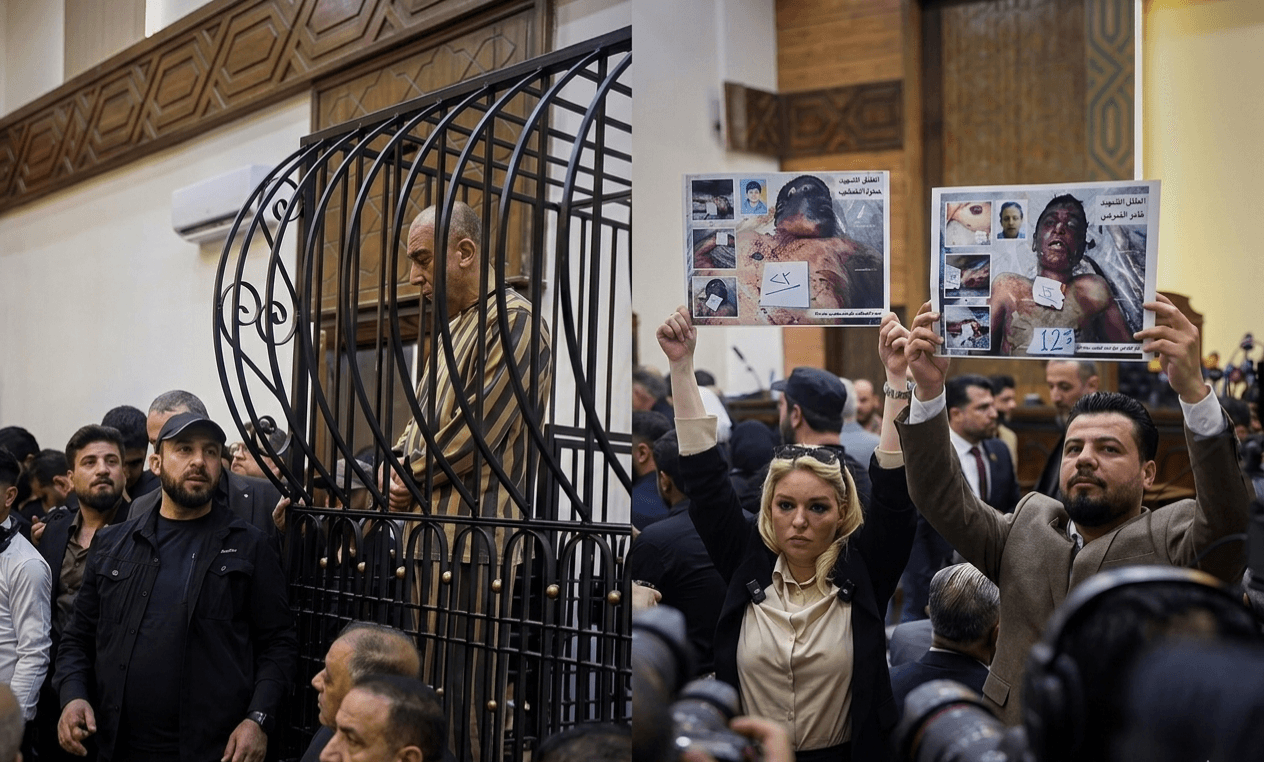
France 24 said a Syrian court held its first hearing on Sunday in the trial of ousted president Bashar al-Assad and senior officials from his former government, with Assad and his brother Maher al-Assad being tried in absentia while Najib appeared in court in handcuffs.
TRT World likewise reported that Atef Najib appeared on Sunday before the Fourth Criminal Court in Damascus, with Al-Ikhbariya television broadcasting video footage showing him in the defendant’s cage.
The Jerusalem Post described the setting at the Palace of Justice in Damascus, saying the trial of Najib has been opened and that the hearing was attended by relatives of victims, as well as Arab and international lawyers and media representatives.
In the courtroom, judge Fakhr al-Din al-Aryan declared, “Today we begin the first trials of transitional justice in Syria,” as he opened the session, and he said it included “a defendant in custody, present in the dock, as well as defendants who have fled justice.”
Charges tied to 2011 Daraa
Multiple reports linked Najib’s case to the early days of the 2011 uprising in Deraa, describing how his role as head of political security in the city placed him at the center of arrests and torture that helped spark protests.
Al Jazeera said Najib oversaw political security in Deraa when teenagers who scrawled antigovernment graffiti on a school wall in Deraa were arrested and tortured, describing the case as a catalyst for the broader uprising.

France 24 similarly said Najib previously headed Syria's political security branch in the southern province of Daraa, where Syria's 2011 uprising first erupted, and it said he is accused of having led a broad campaign of repression and arrests there.
New Lines Magazine provided a more detailed courtroom narrative, describing the chant “The day has come, Atef Najib, the day has come.” and placing a placard bearing the face of 13-year-old Hamza al-Khatib in the courtroom, with the report saying Hamza became a symbol of the early days of the Syrian uprising.
That same report said in Daraa, at the onset of the Arab Spring, teenagers scrawled antiregime slogans on a school wall including “Doctor, it’s your turn” and that Najib was head of security in the city, with several children arrested and their detention marked by torture.
New Lines Magazine also described Hamza al-Khatib’s body being returned to his family weeks later with “burn marks and mutilated genitals,” and it said a woman held up his photograph alongside that of another child, 15-year-old Thamer al-Charai, who was also detained, tortured and killed.
South China Morning Post added that Atef Najib faces charges related to the arrest and torture of teenagers in 2011, and it described the protests as a catalyst for mass protests against the repressive policies of Assad’s government security forces that spiralled into a 14-year civil war.
Transitional justice rhetoric and victims
Syria’s new authorities framed the trial as part of a transitional justice process, while courtroom scenes emphasized victims’ families and the symbolic shift from persecution to legal accountability.
Al Jazeera quoted a spokesman for Syria’s Justice Ministry saying holding the trial in public was important to ensure transparency and judicial independence as part of the transitional justice process, and it said crowds gathered outside the court on Sunday in celebration as families of victims, including some from Deraa, attended the session.
France 24 reported that Syrian President Ahmed al-Sharaa said on X on Sunday that justice would remain “a major goal that the state and its institutions strive to achieve,” and it also quoted judge Fakhr al-Din al-Aryan declaring, “Today we begin the first trials of transitional justice in Syria.”
TRT World echoed the transitional justice framing by quoting an unnamed judge saying, “The first trials of transitional justice in Syria include a detainee (Atef Najib) and defendants who are fugitives from justice,” and it said the judge announced the session would be adjourned until May 10.
The Media Line carried a statement from Damascus Attorney General Hossam Khattab describing the day as “exceptional and historic” and calling the trial a pivotal moment for the judiciary within what he termed the “new Syrian state.”
Khattab told The Media Line that judicial institutions now stand with the victims, “championing their pain and suffering,” and he said the trial and others expected to follow reflect the state’s determination to deliver justice and restore both material and moral rights to Syrians.
New Lines Magazine described the atmosphere inside the Palace of Justice in central Damascus, with families of victims filing into the courtroom, police checkpoints blocking access, and a heavy security presence surrounding the courthouse.
Absent defendants and the next hearing
While Atef Najib appeared in the dock, multiple outlets described a wider set of absent defendants and a schedule for continued proceedings, underscoring that the trial is only the first step in a broader process.
Al Jazeera said Najib was the sole defendant in court for Sunday’s preparatory session of the trial set to continue next month, and it said charged in their absence are Al-Assad and his brother, Maher, former commander of the Syrian military’s 4th Armoured Division.

France 24 reported that Assad and his brother Maher al-Assad, who fled Syria, are being tried in absentia, while the judge did not question Najib during Sunday’s session, which was dedicated to “preparatory administrative and legal procedures,” and it announced that a second hearing would be held on May 10.
TRT World and Yeni Safak English both said the session was adjourned until May 10, with TRT World quoting the unnamed judge and Yeni Safak English stating, “The judge announced that the session would be adjourned until May 10.”
The Jerusalem Post said the next hearing in the trial of the deposed regime officials has been scheduled for May 10, and it described broader interest in the proceedings.
France 24 also said that in-person trials will include Wassim al-Assad, another relative of the ousted president, former grand mufti Ahmed Badreddin Hassoun, as well as military and security officials arrested by the new authorities in recent months.
TRT World further listed fugitives including former Defence Minister Fahd Jassem al Freij, former military intelligence chief in Daraa Laith al Ali, and former military intelligence chief in Suwayda province Wafiq Nasser, alongside Assad, Maher Assad, and others.
International sanctions and wider cases
Beyond the courtroom, some outlets connected the trial to international efforts and to other accountability cases that have been unfolding since the fall of the Assad government.
Al Jazeera said the government of interim President Ahmed al-Sharaa has faced criticism over delays in launching a promised transitional justice process following the civil war, and it reported that on Friday Syrian authorities arrested former intelligence officer Amjad Yousef, the main suspect accused of the 2013 Tadamon massacre in Damascus, when at least 41 people were killed.

It added that in 2022 a leaked video appeared to show Youssef shooting civilians who had been detained and blindfolded, with their hands bound.
The Media Line described how Atef Najib was among the first Syrian officials targeted by Western sanctions after the outbreak of protests in 2011, stating that the US Treasury Department designated him on April 29, 2011, and that the European Union imposed sanctions on him on May 9, 2011.
It said the sanctions included freezing any assets under US jurisdiction and banning dealings with American individuals and entities, and it said the European Union sanctions included asset freezes and a travel ban across member states.
Anadolu Ajansı reported that Hamza al-Khateeb’s mother, Samira Hahami, told Anadolu that she felt “It was an indescribable joy. I felt some peace seeing him there,” while also saying “The real justice will be when the head of the snake is held accountable,” referring to Assad.
TRT World and other outlets also tied the trial to the broader transitional justice push, with TRT World listing multiple fugitives and describing Najib as accused of violations against civilians in Daraa, the birthplace of the 2011 uprising.
More on Syria

Zelensky Warns Israel Over Grain Shipments Ukraine Says Russia Stole
10 sources compared
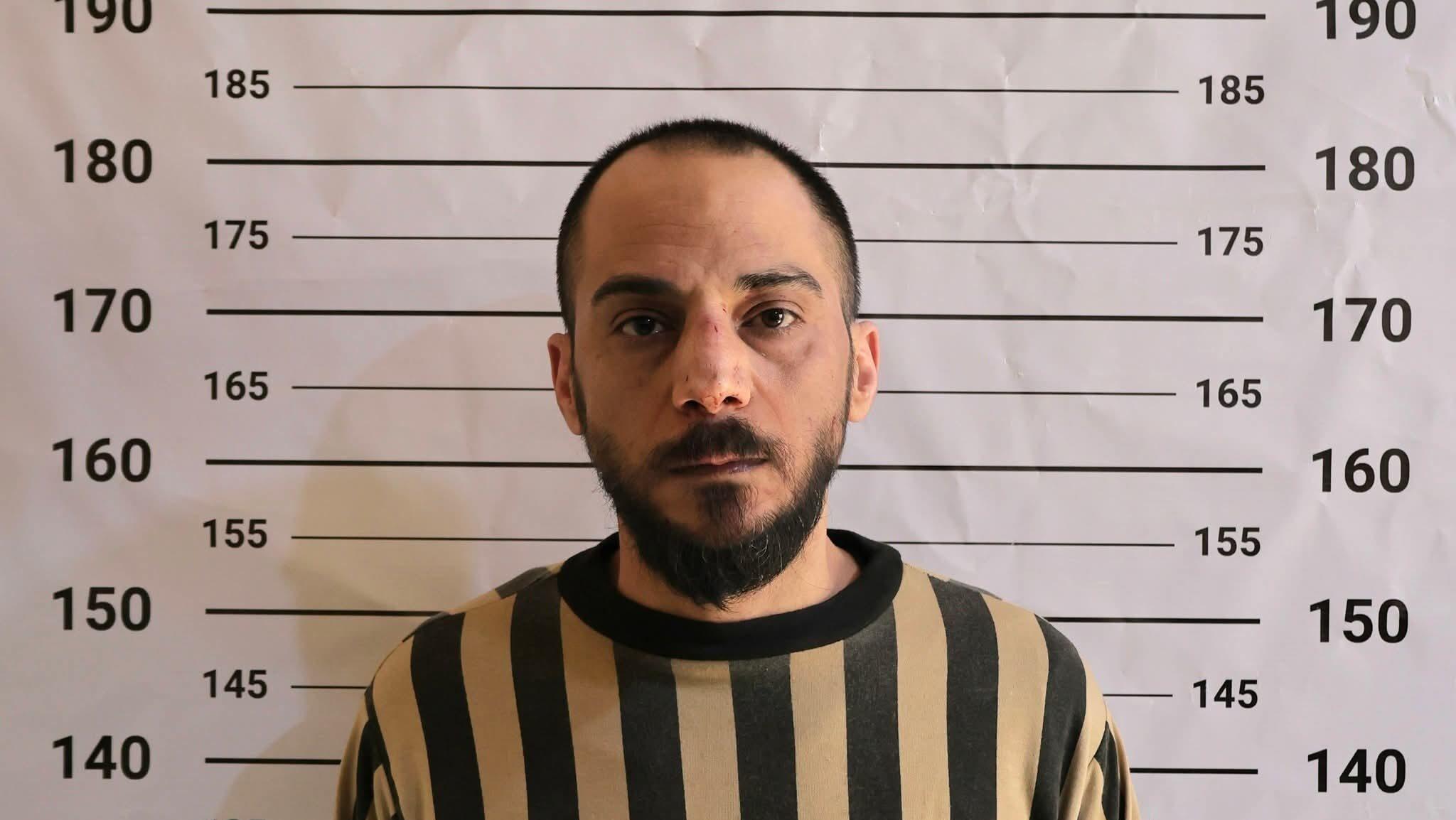
Syrian Authorities Arrest Amjad Yousef, Main Suspect in 2013 Tadamon Massacre
58 sources compared

FBI, House Oversight Committee Probe Deaths and Disappearances of U.S. Nuclear, Aerospace Scientists
13 sources compared

Damascus And SDF Hold Consultations To Implement January Agreement In Hasakeh
11 sources compared