Syria23 October, 20252 min read
Syrian Forces Attack French-Led Islamist Militants in Idlib Camp Near Turkish Border
Syrian forces launched a large-scale operation targeting French-led jihadist camp in Idlib. Clashes involved French militant Omar Diaby, wanted by France and the U.S., and his group.

12 outlets told this the same way.
Outlets did split on France Suspends Police Stun Grenades at High School Protests After 15-Year-Old Loses Hand →
Conflict at Idlib Camp
Syrian government forces clashed this week with a French-led militant contingent commanded by Omar Diaby at the Al-Fardan camp near the Turkish border in Idlib. The camp houses French and Francophone militants and their families. Authorities say they encircled the camp after complaints of serious violations.
“Clashes erupted this week in Idlib, northern Syria, between Syrian government forces and foreign fighters led by Omar Diaby, a French militant wanted internationally.”
Attempts to negotiate Diaby’s surrender collapsed, leading to intense gunfire and drone strikes. Casualties from the clashes remain unclear.
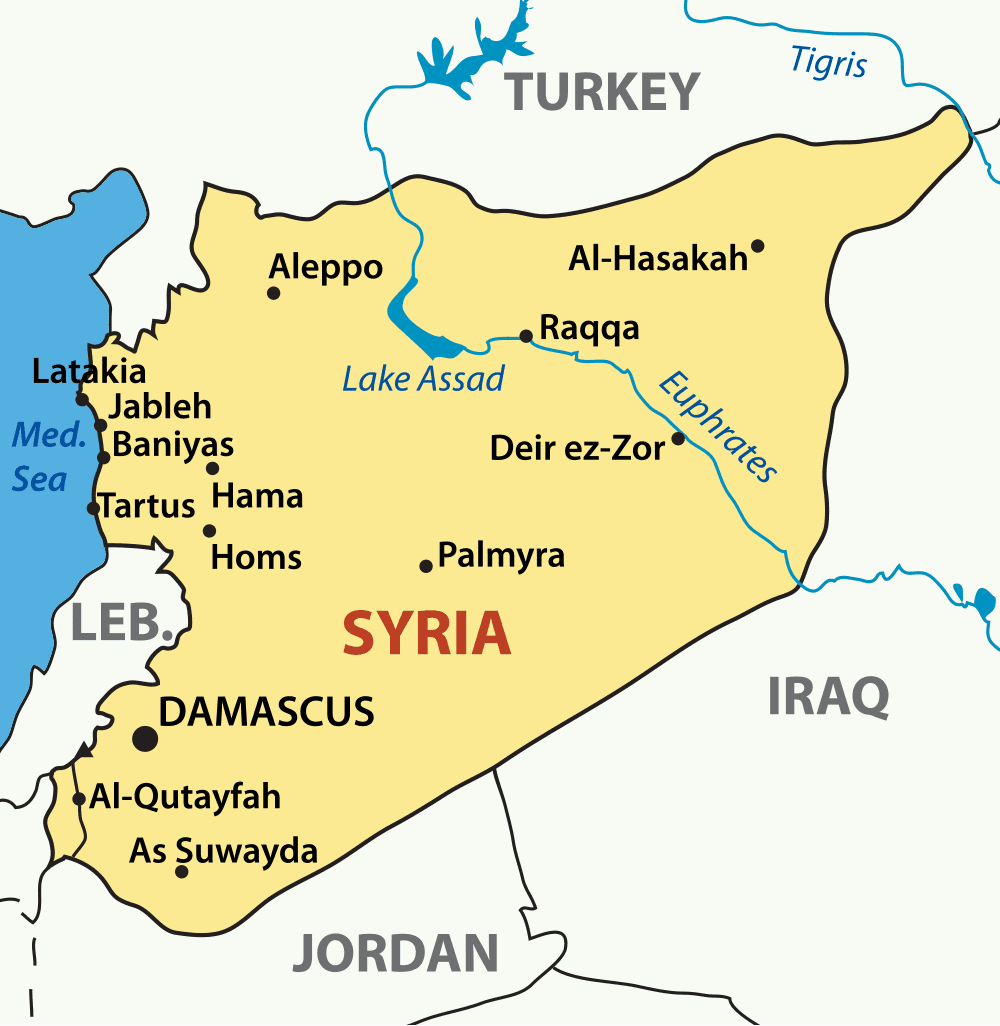
West Asian and Western mainstream outlets agree on the core facts: the location, leadership by Diaby, and the escalation from a standoff to a firefight. Some outlets also frame the action as part of a wider effort to manage foreign fighters and stabilize ties with Western governments.
Conflict over Kidnapping Allegations
Officials say the spark was allegations that Diaby’s group kidnapped a young girl, prompting a siege around Al-Fardan and an attempted negotiated surrender. Diaby allegedly refused and barricaded himself, with reports of civilians trapped as fighting and drone strikes ensued.
While multiple outlets say casualties are unknown, one report cites the Syrian Observatory for Human Rights claiming casualties and two arrests. Another report notes a de-escalation after mediation by allied militant factions.

French-led militant faction
Diaby—also known as Omar Omsen—heads a French-led faction variously labeled Firqat/Fiqrat al-Ghuraba or the Ghuraba Brigade. One account notes his 2016 U.S. terrorist designation for leading French fighters aligned with al-Qaida’s Nusra Front, episodes of faking his death, and prior detentions by Hayat Tahrir al-Sham that curbed his command. Other reporting points to reinforcements and adjacent militant actors, including Uzbek militants arriving to support the French fighters after earlier arrests of Uzbeks.
“Diaby, designated a terrorist by the U.S. in 2016 for leading about 50 French fighters allied with al-Qaida’s Nusra Front, had previously faked his death and clashed with Hayat Tahrir al-Sham (HTS), which had imprisoned him twice and limited his command.”
Conflicting Reports on Syrian Authority
Sources differ on which authority is leading operations in Syria and how the country's governance is described. Some reports mention the Syrian Interior Ministry and government forces as the leading authorities. Other accounts refer to an interim or transitional authority managing the situation.
One source claims there will be a political transition following the removal of Bashar al-Assad in 2024. These differing perspectives influence the narrative, ranging from a state-led crackdown under the current government to efforts by an interim body to control foreign fighters and improve relations with Western countries.

Foreign Fighters and Regional Impact
Beyond the firefight, reporting introduces international and regional dimensions. One outlet cites SOHR in saying there were casualties and two French militants were arrested. Paris demanded the extradition of two Firqat al-Ghuraba members, which the group resisted.
“Clashes near the Turkish border resulted in casualties and the arrest of two French jihadists, according to the Syrian Observatory for Human Rights.”
This occurred amid pressure on Syria’s leadership to expel foreign fighters for sanctions relief. Another report highlights Uzbek reinforcements and persistent militant factions. A West Asian report says clashes subsided after mediation, leaving uncertainty over whether this signals a broader campaign against foreign fighters or deeper security issues.
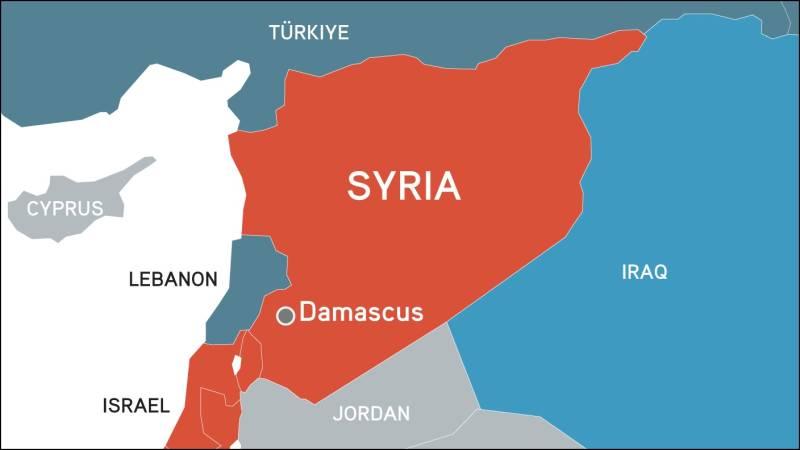
Several mainstream and other outlets stress the political risk foreign fighters pose and the push to improve relations with the West. They also emphasize addressing local fears, especially among religious minorities.