Syria02 May, 20263 min read
Syrian Foreign Minister Asaad Al-Shibani Visits Beirut, Says Syria Open to Meeting Hezbollah
This article is an automated aggregation of coverage from news outlets. Our editorials offer in-depth analysis curated by the NewsCord team.
Syria's foreign minister said Damascus is open to meeting Hezbollah if interests require it. Reported by Lebanon's state news agency during a Beirut visit.
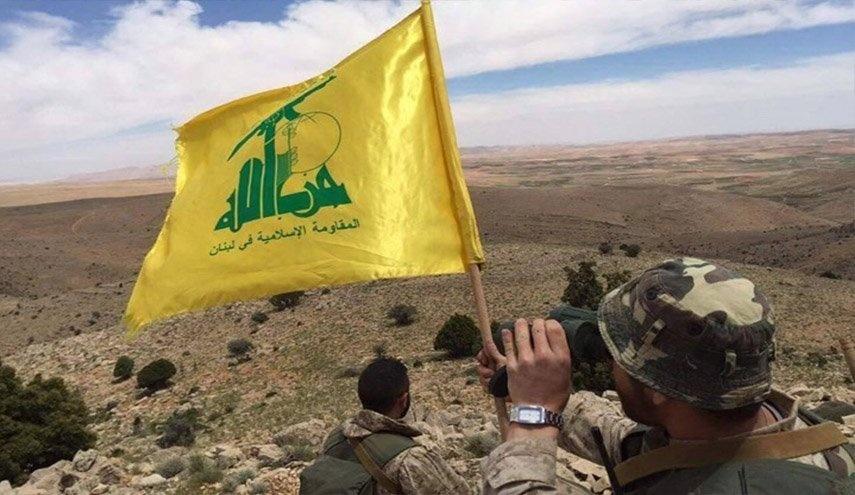
Beirut Visit and Opening
Syria’s foreign minister Asaad Al-Shibani visited Beirut on Thursday and told Lebanese state news agency that Syria was open to meeting the Iran-backed Lebanese group Hezbollah “if interests require it,” according to the report. Al-Shibani met Lebanese President Joseph Aoun and parliament speaker Nabih Berri, and the visit was described as his first to Beirut since US President Donald Trump raised the possibility of Syrian forces combating Hezbollah in Lebanon. Syrian President Ahmed Al-Sharaa had previously denied what he called rumors about any Syrian presence entering Lebanon, and the Reuters report in March said the US encouraged Syria to consider sending forces into eastern Lebanon to help disarm Hezbollah while Damascus was reluctant.
“Ahmed Sharaa has rejected any military involvement in this conflict, saying, ‘The most important thing, above all, is to stop the fighting.’”
The BBC also framed Trump’s remarks as a renewed push for Syria to play a role in countering Hezbollah in Lebanon, noting that Trump said he discussed the Hezbollah issue with Ahmed Sharaa. In the same Reuters account, Trump said, “I suggested to Israel to let Syria take care of Hezbollah, because to be honest with you, I think they do a better job of doing it,” linking the idea to criticism of Israel’s approach in Lebanon.

Reactions and Denials
Lebanese President Joseph Aoun said after meeting Asaad Al-Shibani that neighbors Syria and Lebanon wanted each other’s stability and that Sharaa assured him Syria would not take sides in Lebanon’s internal issues. Aoun also said Sharaa assured him multiple times that Syria's role “will not be like its role in the past” and that a “new page has been opened” dispeling rumors about Syria's involvement in fighting Hezbollah. Hezbollah, meanwhile, denied any military or field activity by it inside Syrian territory in a swift response to an official account issued by Damascus, stressing that reports were “not based on any basis of truth.”
Al-Manar TV Lebanon reported Hezbollah’s Media Relations statement saying “Claims regarding Hezbollah’s presence inside Syrian territory resurface from time to time,” and reiterating that the party had repeatedly and categorically denied them. In Israel, Defense Minister Yisrael Katz responded to Trump’s remarks by saying that his country does not need Ahmed Sharaa in Lebanon and that “will do the job itself,” according to Channel 14 Israel as quoted by the BBC.

What’s at Stake Next
The Reuters account described Syria as calibrating alliances and military action carefully to maintain relative stability in Syria, which is still recovering from 14 years of civil war, while Hezbollah is in a war with Israel that has brought destruction to large parts of southern Lebanon. Reuters also reported that any Syrian intervention could fuel sectarian tensions in both Syria and Lebanon, listing Sunni Muslims, Shiite Muslims, Christians and Druze as part of the mosaic of sects in Lebanon. The BBC added that Trump’s remarks were highly sensitive in Lebanon because Syria’s military presence began in 1976 and ended with the withdrawal of Syrian forces in 2005, and it noted the Lebanese government had not reacted to Trump’s statements.
“‘What is being said about Syria’s entry into Lebanon is not true.”
In the same BBC account, Ahmed Sharaa dismissed as rumors claims of Syria’s involvement in Lebanon and said, “What is being said about Syria’s entry into Lebanon is not true.” Al-Manar TV Lebanon’s statement further asserted that the claims and accusations are “nothing more than fabricated narratives with no foundation in reality,” framing the dispute over Hezbollah’s presence as part of a broader regional contest.