Syria13 July, 20263 min read
Syria’s Transitional People’s Assembly Convenes in Damascus as Ahmad Al-Sharaa Calls for National Interest
This article is an automated aggregation of coverage from news outlets. Our editorials offer in-depth analysis curated by the NewsCord team.
Ahmad al-Sharaa attended the session as president and opened parliament. Abdul Hamid Al Awak elected as Parliamentary Speaker.
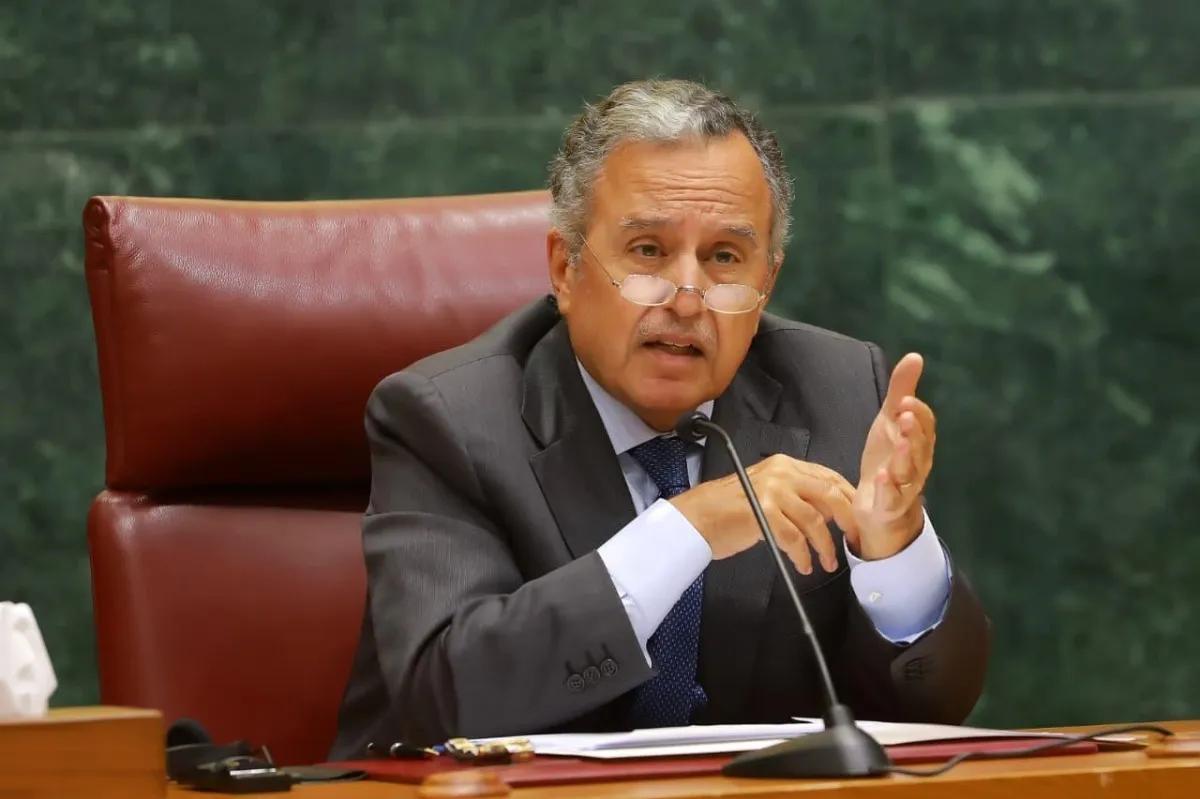
Parliament opens in Damascus
Syria’s newly appointed transitional parliament convened for its inaugural session in Damascus on Sunday, with President Ahmad al-Sharaa calling on lawmakers to put “national interest above all” as the People’s Assembly begins drafting a new constitution and laying foundations for democracy after decades of rule under the al-Assad family. Al Jazeera reported that members took the constitutional oath in Damascus on Sunday, more than 18 months after Bashar al-Assad was toppled by rebels led by Ahmed al-Sharaa, who is now Syria’s president. The National said the parliament’s inaugural session was held after a planned Monday opening was postponed, and it reported that MPs swore in members and then elected Abdul Hamid Al Awak as Parliamentary Speaker.
The National also said the process solidified President Ahmad Al Shara’s role as he steered Syria toward a transformation to a pluralistic system, and it described his address as being met with neither chants nor a standing ovation from the MPs. Al Jazeera added that the chamber has 210 seats, with two-thirds of lawmakers chosen last year by regional electoral colleges and al-Sharaa appointing the remaining 70 members at the beginning of the month.

Oath, oversight, and debate
Al Jazeera said al-Sharaa urged lawmakers to make the assembly “a model of responsibility and competence,” while Claudio Cordone, the deputy United Nations special envoy for Syria, called the first session “a key milestone in the country’s political transition”. The National reported that the constitutional declaration gives the parliament limited authority, mainly the power to approve legislation, while foreign policy, the military, cabinet formation and appointments of senior officials remain under the purview of the President. Kurdistan24 framed the broader economic opening as dependent on whether Syria can overcome security, governance, and institutional obstacles, even as renewed diplomatic engagement and easing international restrictions create opportunities for investment and reconstruction.
Kurdistan24 said investors are watching whether Syria can establish reliable legal and regulatory frameworks capable of enforcing contracts, combating corruption, and providing greater predictability for businesses considering long-term commitments. The National also reported that the parliament will approve a new constitution and a new electoral law by the end of 2028, with Mr Al Shara promising popular elections by 2029.

Economic stakes and transitional justice
Kurdistan24 described Syria’s economic reopening as a rare opportunity and a demanding test, saying the country faces enormous reconstruction needs after years of war devastated infrastructure and weakened state institutions. The National reported that Syria’s national currency remains at 13,000 pounds to the dollar compared to the pre-civil war rate of 50 Syrian pounds to the dollar, and it said electricity is in short supply though less so than during the war. Al-Jazeera Net reported that deputies’ priorities in the new People’s Assembly include transitional justice and legislation, with Ahmed Mahmoud Abdullah saying: “the priority is to enact the Transitional Justice Law, which is the preoccupation of Syrians,” and it described the transitional justice file as involving deterrent sanctions, compensation for material and civil damages, and forgiveness for vulnerable employees in the institutions of the ousted regime.
Al-Jazeera Net also reported that the session witnessed the attendance of 206 members out of 210, with four seats vacant and three allocated to Sweida Province where elections were not held. In parallel, Kurdistan24 said Syria’s ability to convert investment momentum into sustained recovery depends on overcoming longstanding security, governance, and institutional obstacles, and it linked durable growth to strengthening the rule of law, protecting property rights, modernizing the financial system, stabilizing the currency, improving transparency, and reinforcing independent institutions.