Syria07 October, 20253 min read
Syrian Government and US-Backed Kurdish SDF Agree to Immediate Ceasefire After Aleppo Clashes
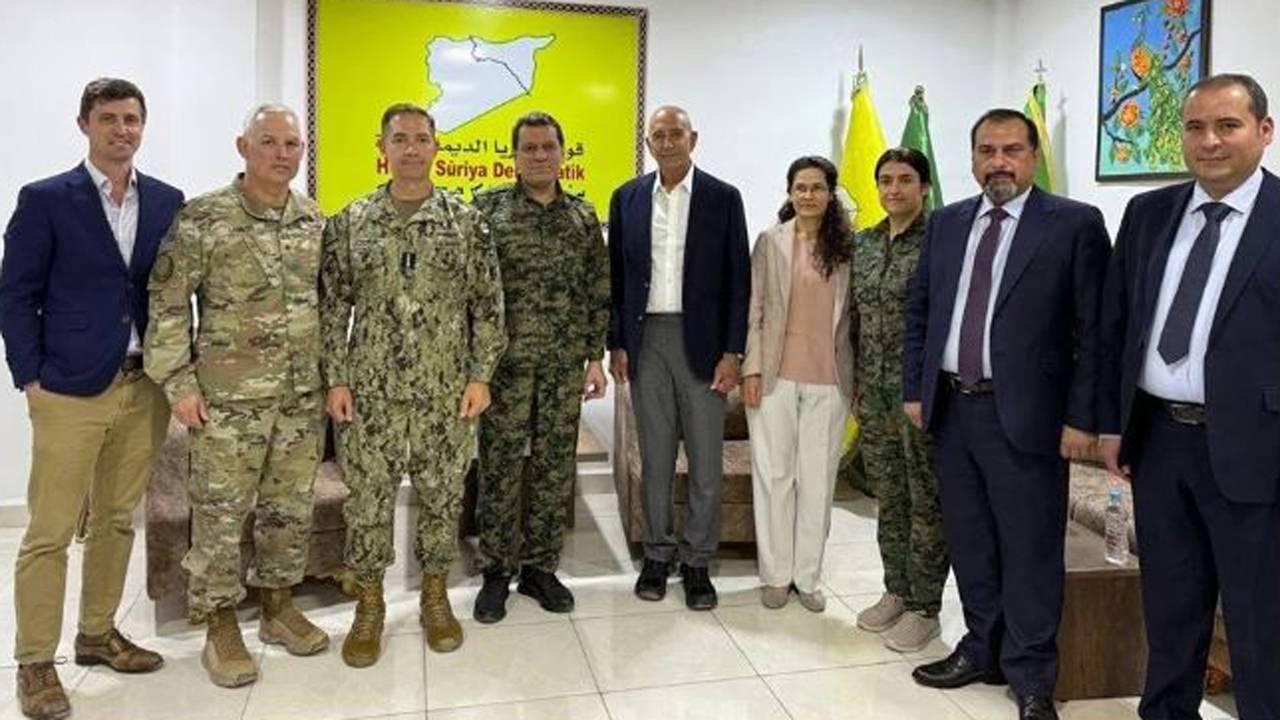
Syrian Defense Minister Murhaf Abu Qasra and SDF commander Mazloum Abdi agreed to an immediate comprehensive ceasefire. The ceasefire covers all fronts in northern and northeastern Syria, including Aleppo's Kurdish-majority districts.

26 outlets told this the same way.
Outlets did split on France Suspends Police Stun Grenades at High School Protests After 15-Year-Old Loses Hand →
Ceasefire Agreement and Diplomacy
Syrian Defense Minister Murhaf Abu Qasra and SDF commander Mazloum Abdi announced an immediate, comprehensive ceasefire after clashes in Aleppo. Multiple outlets reported that the ceasefire applies across all fronts in northern and northeastern Syria and was reached after talks in Damascus. West Asian outlets emphasize the formal announcement and scope of the ceasefire.
“Syria's defense minister announced a ceasefire... The ceasefire was agreed upon after a meeting... covering all fronts in northern and northeastern Syria.”
Asharq Al-Awsat reports the ceasefire as "covering all fronts" following a Damascus meeting. LBCI Lebanon states that the ceasefire is "effective immediately." Asian outlets provide diplomatic context, highlighting concurrent U.S. engagement.

The Hindu and The Financial Express name envoys said to be involved in the discussions. Some West Asian reports add that broader talks included senior political figures in Damascus.
Shafaq News and The New Region mention that representatives also met President Ahmed al-Sharaa in Damascus. This underscores the high-level nature of the talks.
Conflict in Aleppo's Kurdish Areas
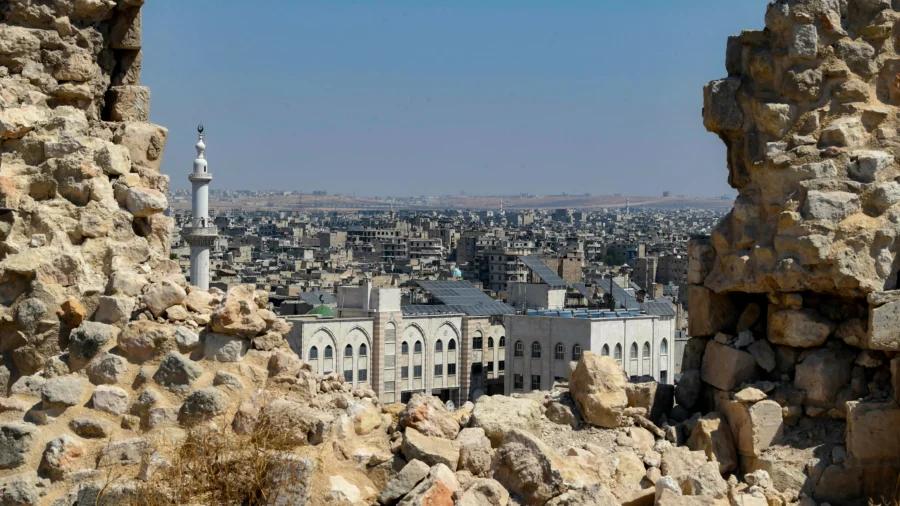
Reports differ on where and how the violence unfolded, but many point to Aleppo’s Kurdish-majority districts and nearby areas. Antiwar notes heavy fighting around Deir Hafar in eastern Aleppo with casualties on both sides. 5Pillars and chinadailyasia describe clashes and sieges in Sheikh Maqsoud and Ashrafieh.
State media accuses "PKK/YPG" attacks, while the SDF denies involvement. Al Jazeera reports SANA’s claim that SDF targeted checkpoints with mortars and machine guns, causing residents to flee shelling. The SDF says it left those areas months earlier, an assertion consistent with AP’s note that many SDF fighters withdrew from Aleppo’s two mainly Kurdish neighborhoods in April under an agreement with Damascus.
SDF Integration and Autonomy Issues
Several outlets situate the ceasefire within a larger process to fold SDF forces and institutions into the Syrian state while disputes persist over autonomy and control of assets. NTD News and Al Jazeera reference provisions and prior plans for transferring key SDF-held facilities and assets to Damascus. Asian outlets like The Financial Express describe U.S. envoys joining talks on integration and security.
“The cease-fire deal includes transferring control of SDF-held facilities such as border crossings, an airport, and oil and gas fields to the Syrian government.”
Yeni Safak warns that enforcement and long-term governance of resource-rich eastern territories remain unclear. Middle East Monitor quotes Kurdish media as saying Abdi reaffirmed commitment to administrative independence and skepticism about fully merging into the Syrian army without guarantees, underscoring why implementation may be fraught.
Governance and Ceasefire Reports
Accounts differ on who governs in Damascus and who exactly brokered the deal. Some Western Alternative and Other sources claim major political change. 5Pillars states the ceasefire follows the end of Bashar al‑Assad’s rule.
Usmuslims speaks of an "ouster" and a "transitional administration" under Ahmed Al‑Sharaa. English Bombay Samachar refers to a "new religious-led administration." The New Region and شفق نيوز mention meetings led by or with President or Transitional President Ahmed(al)-Sharaa.
In contrast, several West Asian and mainstream reports focus solely on the defense minister–Abdi track. These sources avoid claims of regime change, leaving the broader political context ambiguous across reports.
Regional and International Dynamics
Regional and international stakes influence the coverage of the situation. NTD News emphasizes Türkiye’s firm stance, stating that Ankara considers the SDF a terrorist organization and threatens action if the group does not integrate. Yeni Safak points out that the world will closely watch how any agreement manages the resource-rich eastern territories, with enforcement remaining uncertain.
“The international community, especially countries like Türkiye with vested interests, will closely watch how the agreement is implemented.”
news.antiwar reports that US policy aligns with HTS’s preference for a strong central government and integration without Kurdish autonomy. Middle East Monitor highlights Abdi’s commendation of the Kurdistan Region model and his warnings against forced central control. Asian and other media outlets, including The Financial Express, depict US envoys as actively engaged in talks, indicating that external powers are monitoring and influencing the outcomes.
