Syria13 October, 20253 min read
Syrian Kurdish Leader Mazloum Abdi Agrees to Integrate SDF Forces into Syrian Army
This article is an automated aggregation of coverage from news outlets. Our editorials offer in-depth analysis curated by the NewsCord team.
Mazloum Abdi reached a preliminary agreement to integrate SDF into Syrian Defense and Interior Ministries. Ongoing negotiations between SDF and Syrian government are taking place in Damascus.

10 outlets told this the same way.
Outlets did split on France Suspends Police Stun Grenades at High School Protests After 15-Year-Old Loses Hand →
Syrian Kurdish Forces Integration
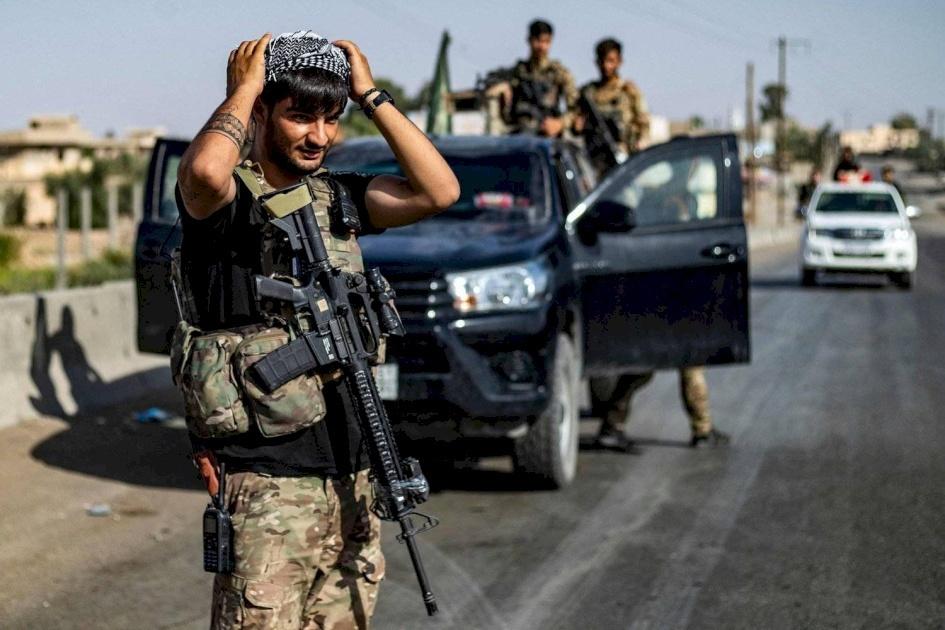
Syrian Kurdish leader Mazloum Abdi says a preliminary agreement has been reached with Damascus to integrate the Kurdish-led Syrian Democratic Forces (SDF) and the Kurdish Internal Security Forces into Syria’s Defense and Interior ministries. The agreement follows talks in the capital that included Syrian official Ahmed al‑Sharaa and senior U.S. military and diplomatic figures. Multiple outlets report ongoing delegations in Damascus to finalize mechanisms for the integration.
“Mazloum Abdi, head of the Syrian Democratic Forces (SDF), announced a ‘preliminary agreement’ with Damascus to integrate his troops into Syria's military and security forces.”
Al‑Jazeera Net adds that a comprehensive ceasefire was announced after recent clashes as both sides seek to avoid renewed conflict and stabilize the northeast. Coverage converges that the March framework deal is the basis for the current push. Integration would formalize security coordination under Syrian state structures while talks proceed on sensitive details.
SDF Restructuring and Integration
Abdi and Damascus are pursuing a restructuring that would place the SDF under the Ministry of Defense with a new designation while preserving its historic identity. This plan is built on a March deal that several sources say is now being accelerated. Outlets note that the SDF and Asayish number around 100,000 and were pivotal in defeating ISIS.
Plans call for integration of these forces into national chains of command. Some reports say the March agreement aims to merge the SDF by year’s end and transfer control of strategic sites like border crossings, airports, oil fields, and detention centers to the central government. However, other sources stress that control over resources remains to be negotiated.
Syrian Political Talks and Turkey's Role
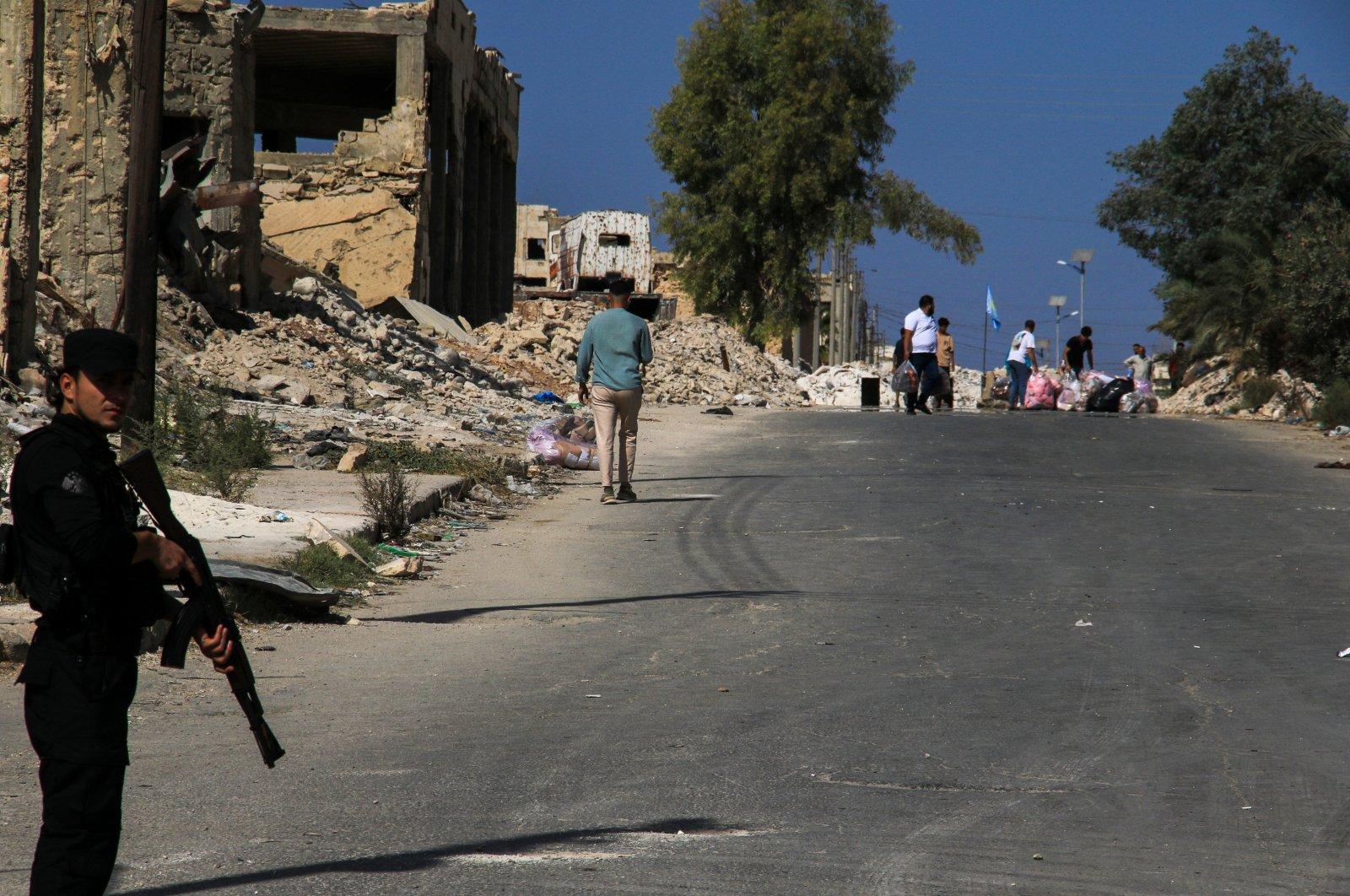
Politically, the talks intersect with debates over decentralization and Kurdish rights. Both sides reportedly agree on Syria’s territorial unity, national symbols, independence, and combating terrorism. They are exploring a decentralized system and constitutional guarantees with some positive responses from Damascus.
“Key issues under discussion include demands for a decentralized Syrian system and constitutional guarantees for Kurdish rights, with some responsiveness from Damascus.”
Turkey’s role looms large in the discussions. Ankara urges the SDF to fulfill integration promises and, according to Turkish reporting, is training Syrian soldiers and planning military academies. These efforts aim to eliminate groups Turkey designates as terrorist, including the PKK, YPG, and SDF.
Other coverage notes Turkey’s firm rejection of Kurdish autonomy and insistence on disarmament of Kurdish groups. Parallel talks in Ankara are seen as interconnected with the Damascus track.
Conflicting Reports on Syrian Negotiations
Several uncertainties and conflicts in reporting remain. Different outlets identify the U.S. envoy by different names. While some describe rapid progress, others highlight slow negotiations and unresolved issues like the future role of the YPG.
One Western mainstream report uniquely claims these moves follow the fall of Bashar al‑Assad and an order to dissolve armed groups into state institutions. Other coverage continues to refer to Syrian authorities and government without such a claim.

Some outlets also report a nationwide ceasefire and even a three‑way joint anti-ISIS force including Turkey, Syria, and the SDF. Others do not mention these developments, underscoring fluid and sometimes contradictory accounts.
Shifts in Syrian Regional Dynamics
Regionally, some sources view the integration track as part of a broader shift from tension to coordination. This process is seen as a bridge between the Kurdish-led autonomous administration and the central state. Others emphasize the reassertion of central government control in the region.
“Analysts view the Damascus talks as a concrete move toward bridging the divide between the northeastern autonomous administration (DAARNES) and the Syrian central government amid regional and international pressure for stable military and administrative arrangements.”
Mediation by the U.S. and France is credited with advancing the talks. Reports indicate that Turkish-Syrian military coordination is increasing.
One outlet links these changes to possible sanctions relief. This underscores how the integration process could reshape alignments, military operations against ISIS, and the political economy of northern and eastern Syria.