
Syrian President Ahmed Al-Sharaa Denies Syria’s Intervention in Lebanon, Calls Border Talks Deferred
Key Takeaways
- Al-Sharaa denies Syria intervening in Lebanon.
- Border demarcation talks postponed; emphasis on stability and economic ties.
- Border demarcation reports show deferral and a Jeddah agreement, conflicting.
Denials and border deferral
Syrian President أحمد الشرع denied rumors of Syria’s intervention in Lebanon and said “this is not true,” while telling a meeting in Damascus that “What is being circulated about Syria entering Lebanon is baseless.”
“The Syrian President أحمد الشرع denied today, Saturday, what he described as 'rumors' of his country's interference in Lebanese affairs, while confirming that Damascus and Beirut agreed to defer the detailed dialogue on the border demarcation file between the two countries, and to focus at this stage on other priorities, including strengthening stability, developing economic linkages, and supporting development”
He said Damascus would defer detailed dialogue on the border demarcation file, stressing that the border issue is “not a priority at the moment” given Lebanon’s crises and internal displacement estimated at about one and a half million people.
The president framed the dispute as rooted in “a lingering problem since 1946,” and he said Lebanon and Syria had “mutual wounds” from past Syrian interventions in Lebanon and Hezbollah’s interventions in Syria.
He also pointed to the Shebaa Farms, noting that it is occupied by Israel since 1967 and that there is an old Syrian-Lebanese dispute over ownership of the area.
In the same remarks, he said there are more than 1.4 million Syrian refugees in Lebanon and described it as a “very big problem,” while calling for stopping the war, strengthening state institutions, and deepening economic ties.
Jeddah talks and committees
Lebanese and Syrian defense ministers concluded an agreement in Saudi Arabia, with the kingdom’s official news agency saying they stressed facing security and military threats along their shared border.
The Saudi SPA agency said Lebanese Defense Minister Michel Menassa and Syrian counterpart Mourhaf Abou Qasra met Thursday in Jeddah in the presence of Saudi Defense Minister Prince Khalid bin Salman, and the Saudi minister expressed satisfaction with the signing of the agreement.
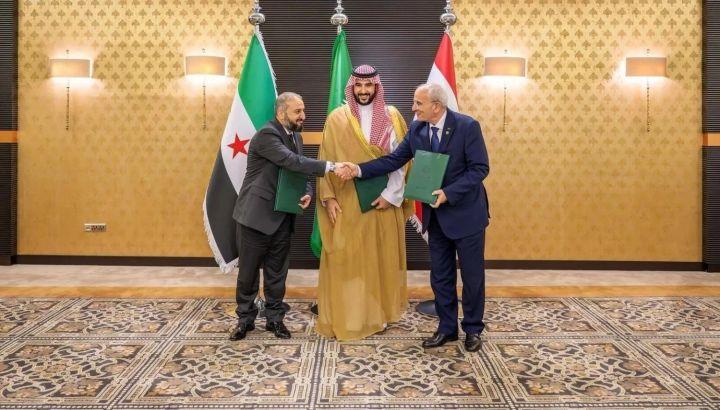
The report said the Lebanese minister’s planned visit to Damascus on Wednesday had been postponed at the request of the Syrian side, with a Lebanese official and a Syrian government source attributing the delay to preparations for forming a new government in Syria.
It added that the border between Lebanon and Syria runs for about 330 kilometers and includes dozens of illegal crossings used for smuggling people, goods, and arms.
The ministers also thanked Saudi leaders for hosting and sponsoring the meeting, and a follow-up meeting was expected to take place in Saudi Arabia in the coming weeks.
Refugees, complexity, and stakes
Al-Sharaʿʿ’ statements in Damascus also described the border file with Lebanon as “extremely complex” and said it has been stuck since 1946, while warning that intermingling in villages and border areas could spark new conflicts.
“On Saturday, Syrian President Ahmad al-Sharaʿ denied the rumors of Syrian intervention in Lebanon, stressing that “this is not true,” and he said, “We always call for stopping the war, strengthening state institutions, deepening economic ties, and calming the situation in Lebanon”
He said it was “illogical” to open discussion about Shebaa Farms sovereignty before liberation from the occupation, and he linked the issue’s complexity to a Syrian-Lebanese disagreement over its affiliation.
The president emphasized the displacement challenge by pointing to “more than 1.4 million Syrian refugees inside Lebanon” and said the file still has no clear horizon of solution.
In the same speech, he urged Syrians to “cooperate and be patient” to heal the country’s wounds and rebuild, and he said the mission of Syrians is not finished by opening the door to change.
The article also recalled that the armed Syrian opposition entered the capital Damascus on December 8, 2024, declaring the overthrow of Bashar al-Assad’s regime, which had ruled since 2000.
More on Syria
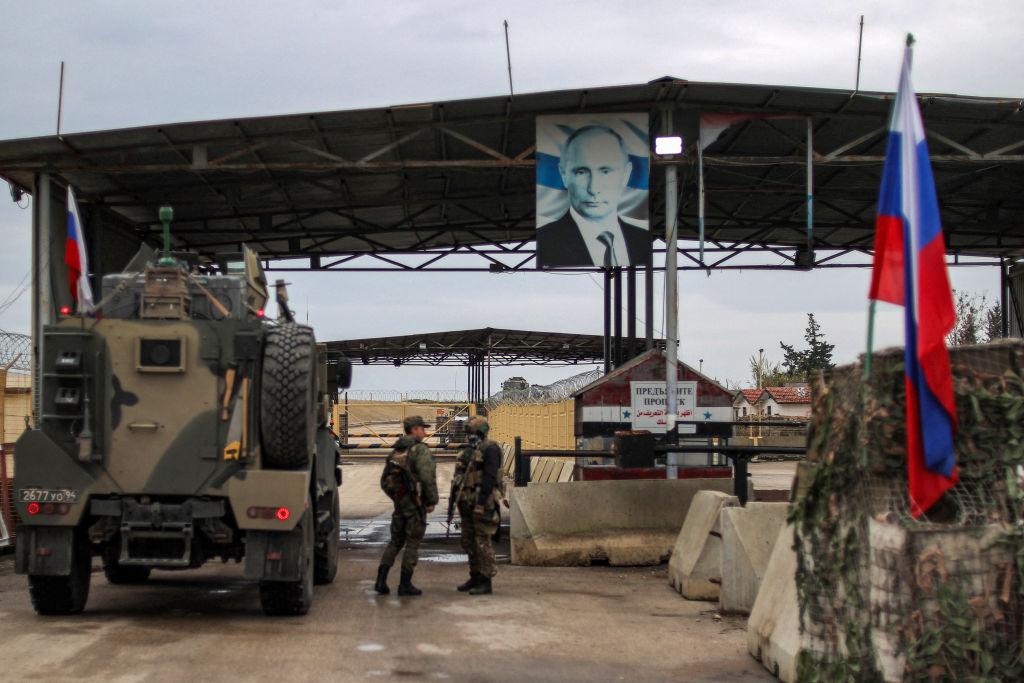
Russia Discusses Possible Restructuring of Tartus and Khmeimim Bases With Damascus
11 sources compared
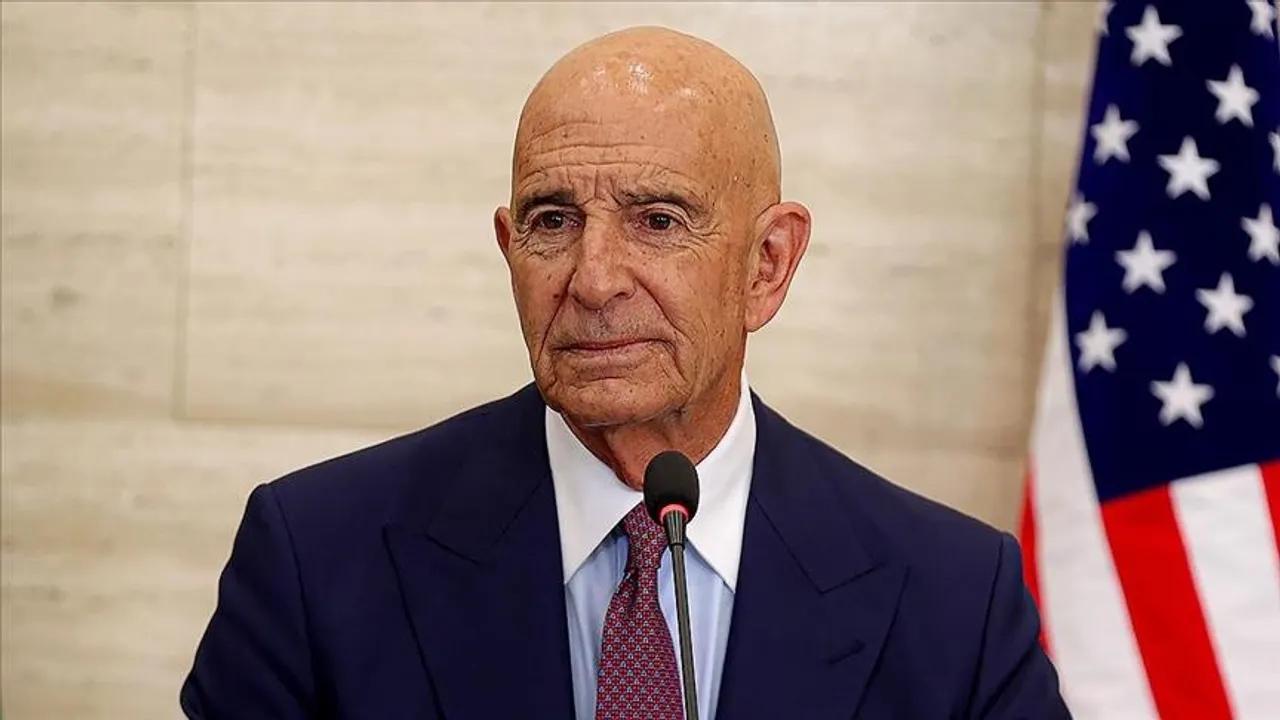
Marco Rubio Ends Tom Barrack’s US Special Envoy Mandate for Syria
11 sources compared

Syria’s Missing Persons Commission Says Dentist Rania Al-Abbasi’s Six Children Are Likely Dead
12 sources compared
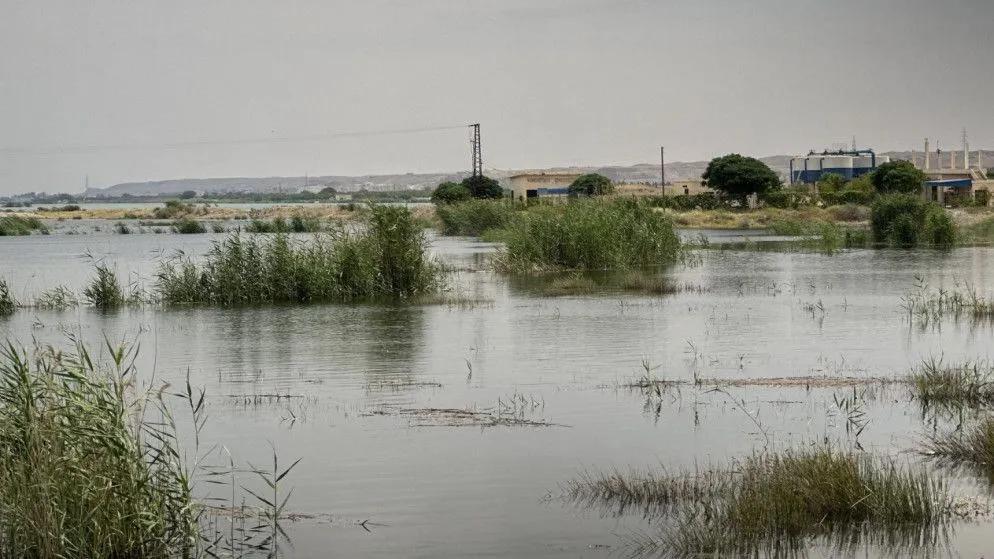
Ahmed al-Sharaa Visits Deir Ezzor After Euphrates Floods Displace Thousands
18 sources compared