Syria04 October, 20252 min read
Syrian Regime Controls Election Silence Ahead of First Vote Since Assad’s Fall
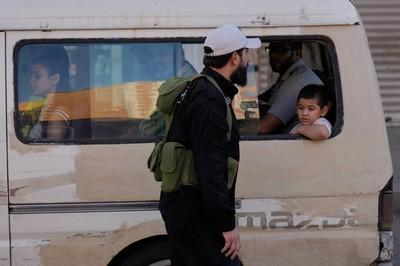
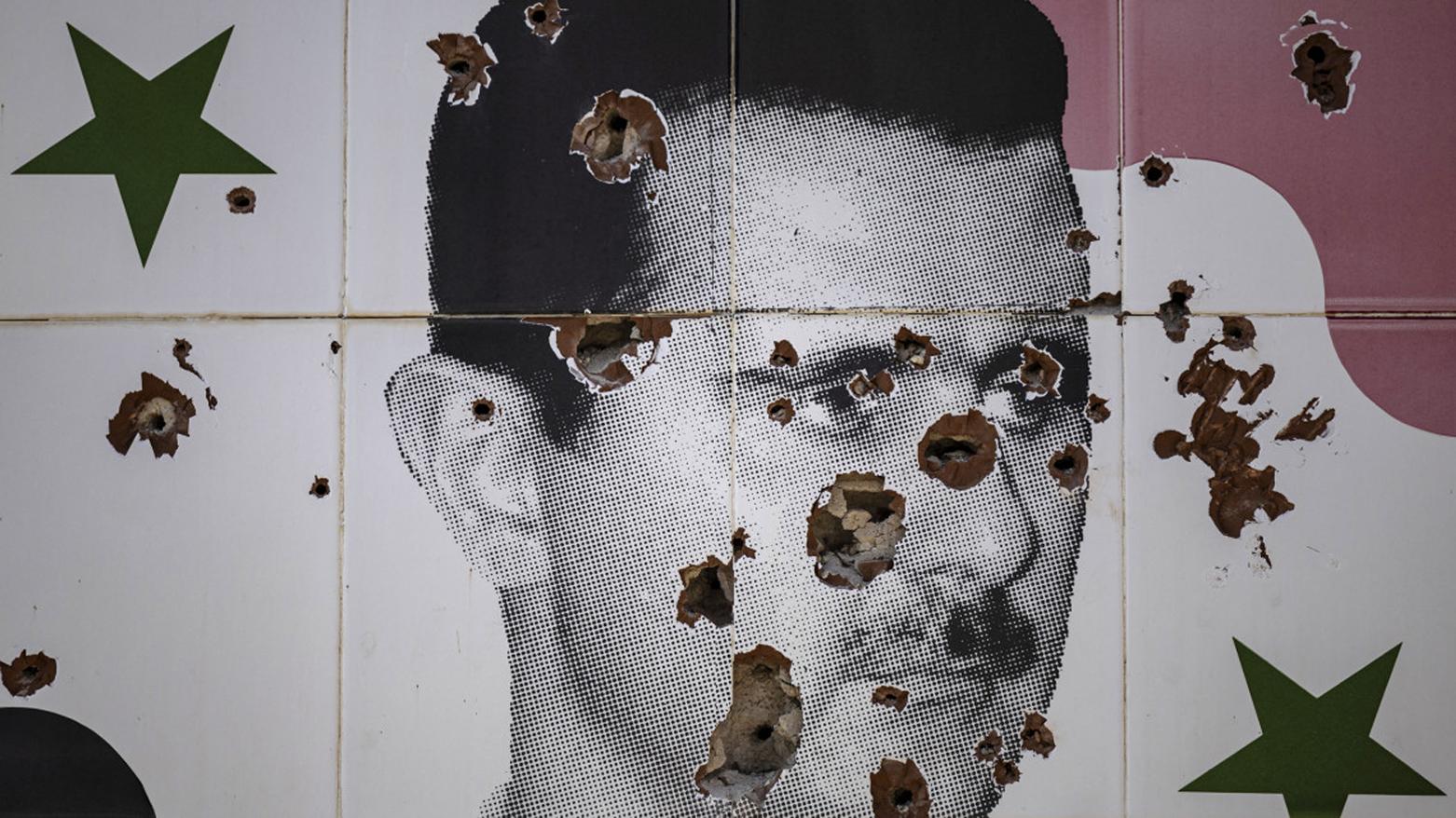
Many Syrians in Damascus were unaware of the upcoming parliamentary election. Election campaigns showed no public activity, posters, or debates before voting.

9 outlets told this the same way.
Outlets did split on France Suspends Police Stun Grenades at High School Protests After 15-Year-Old Loses Hand →
Syria's Upcoming Parliamentary Elections
Syria is preparing for its first parliamentary elections since the removal of former President Bashar al-Assad, scheduled for October 5, 2025. The elections are being held under the interim leadership of President Ahmad al-Sharaa. The electoral process is unique as it does not involve a popular vote; instead, two-thirds of the People's Assembly seats will be filled by electoral colleges in each district, while the remaining one-third will be appointed by the interim president.
“The election process is not a popular vote; instead, two-thirds of the People's Assembly seats will be chosen by electoral colleges in each district, while the remaining one-third will be appointed by interim President Ahmad al-Sharaa.”
This system was adopted due to the challenges posed by widespread displacement and loss of documentation resulting from the civil war. The interim authorities have dissolved the former parliament and political parties to address the legislative vacuum left by Assad's fall.

Election Awareness and Engagement
Public awareness and engagement in the upcoming elections are notably low. In Damascus, there are no visible campaign activities, rallies, or public debates, and many residents remain unaware of the impending vote.
This lack of engagement is reflected in the minimal impact of campaign efforts, such as those by Henry Hamra, a Syrian-American Jew running for a seat. Despite some social media attention, his campaign has not significantly resonated with local residents, highlighting a general public disengagement or confusion about the election process.
Overview of Election Process
The election process is being conducted under strict conditions. The Supreme Committee overseeing the elections announced the conclusion of campaign activities and the start of the electoral silence phase. Voting is set to occur across all regions, including those facing significant challenges such as Raqqa, Hasakah, and As-Suwayda, which remain outside international control.
“The spokesperson for the Supreme Committee overseeing Syria's People's Assembly elections, Nawar Najm, announced the conclusion of election campaigns and the start of the electoral silence phase ahead of voting scheduled for Sunday.”
The process will be conducted secretly and directly over a three-hour period, with possible extensions. Ballot counting will begin immediately after voting ends.
Skepticism About People's Assembly
Skepticism surrounds the effectiveness and influence of the People's Assembly. Some observers are adopting a wait-and-see approach regarding the new system. Shams, a commentator quoted by Devdiscourse, notes that members of the People's Assembly have traditionally had little real influence.
He suggests that judgment should be reserved until the outcomes and impacts of the upcoming elections are clear. This skepticism reflects broader concerns about the legitimacy and functionality of the new political system in Syria.