Syria13 June, 20263 min read
Syria’s Transport Minister Yaarub Badr Meets World Bank, Agrees $50 Million for Rail Projects
This article is an automated aggregation of coverage from news outlets. Our editorials offer in-depth analysis curated by the NewsCord team.
Ya'arab Badr met World Bank officials to discuss rail transport cooperation. World Bank-backed plan rehabilitates railways to improve regional connectivity through Syria.
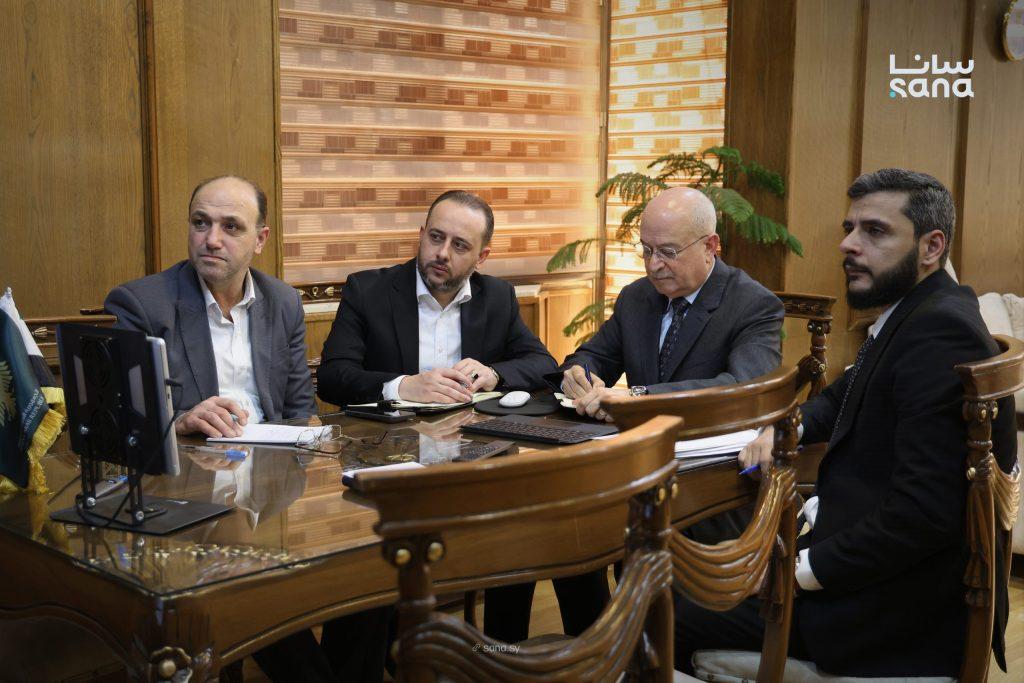
Rail modernization talks
Damascus-based discussions on Monday centered on the Syrian Ministry of Transport’s videoconference with a group of transport sector officials at the World Bank, focusing on the development of the railway network and the phosphate axis project. Minister of Transport Yaarub Badr said the phosphate axis project is an integrated productive axis linking extraction zones to seaports, supporting the mining sector and strengthening transport and exports while adding value to the national economy and reducing long-term operating costs. The World Bank delegation requested detailed technical and financial data on the project, including projected production volumes and indicators of economic profitability, to prepare a preliminary feasibility study.
Agenzia Nova reported that Badr met World Bank Regional Director Jean-Christophe Carret at the ministry’s headquarters in Damascus and that the parties agreed to allocate $50 million to support essential projects, including financing the acquisition of 15 new locomotives. Agenzia Nova added that the parties agreed to hold a technical meeting next week to deepen the issues discussed and accelerate collaboration.

UAE cooperation and budgets
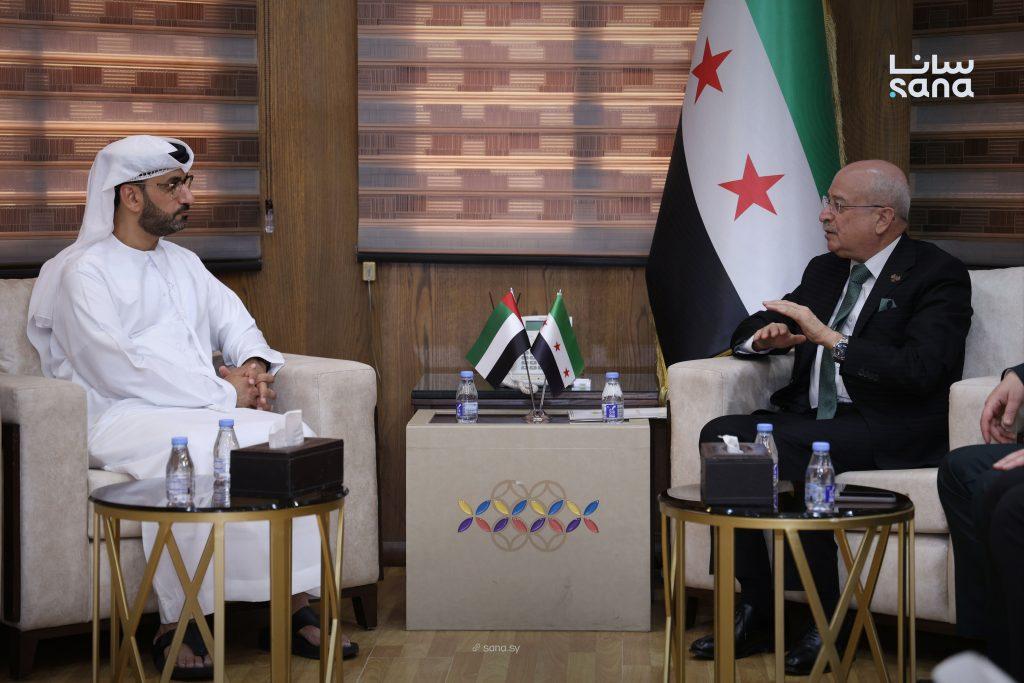
On Wednesday at the ministry building in Damascus, Syrian Transport Minister Ya'rab Badr met the ambassador of the United Arab Emirates to Damascus, Hamad Rashid bin Alwan Al-Habsi, to strengthen cooperation on roads, railways, digital transformation, vehicle registration and transactions, and cargo transport. SANA said the meeting reviewed the reality of the transport sector in Syria and future plans to advance it through partnerships with international donor agencies, while Badr presented ministry plans and priorities for the coming period. The ministry plans described by SANA said work would implement practical steps to accelerate infrastructure projects in line with presidential directives to allocate financial resources within the 2026 general budget to rehabilitate, develop, and expand a number of roads in most of Syria's governorates within a project spanning three years.
In a separate report, Al-Arabiya Al-Jadid said Badr confirmed a comprehensive plan to rehabilitate and expand the road network across Syrian provinces, with the 2026 general budget including allocations for infrastructure projects within a three-year program and priority given to the Damascus–Palmyra–Deir ez-Zor route. Al-Arabiya Al-Jadid also reported that the minister disclosed ongoing cooperation with the World Bank to secure dedicated funding to rehabilitate and develop the railway sector.
Rail readiness and connectivity
Al-Jazeera Net reported that Badr said Syria’s rail network suffers a sharp decline in operational readiness, with only about 1,000 kilometers out of a total 2,800 kilometers ready for operation. Badr told Al-Jazeera Net that the currently operating lines are limited to main corridors linking Aleppo, Hama, Homs, and Damascus, extending to the ports of Tartus and Latakia, but do not operate under optimal operating conditions. The same report said Badr described ongoing cooperation with the World Bank to support the rail sector and pointed to upcoming meetings next week to discuss project priorities for support programs dedicated to developing Syrian railway lines.
Al-Jazeera Net also said Badr linked the rail rehabilitation effort to regional connectivity projects aimed at linking Turkey and Europe with Jordan, Saudi Arabia, and the Gulf states through Syrian territory. In the broader transport framing of Noon Post, the report described the M5 road as connecting the Jordanian border at Nasib crossing to the Turkish border at Bab al-Salama crossing, passing through Daraa, Damascus, Homs, Hama, and Aleppo, while also citing that the transport minister in the caretaker government, Bahaa al-Din Sharm, said the transport sector in Syria was damaged by more than 70%.