
Tazewell County Judge Jack Hurley Blocks Virginia Redistricting Referendum Certification, Virginia AG Jay Jones Appeals
Key Takeaways
- Judge Jack Hurley blocked certification of Virginia's redistricting referendum results.
- Voters approved a new congressional map aimed at helping Democrats win seats.
- Attorney General Jay Jones vowed to appeal the judge's blocking order.
Judge Halts Certification
A Virginia circuit court judge blocked the certification of results from Tuesday’s congressional redistricting referendum, pausing the state’s effort to redraw congressional district lines ahead of the 2026 elections.
The order came from Tazewell County Circuit Court Judge Jack Hurley, who ruled that the referendum and the bill that triggered it were unconstitutional, according to multiple reports.

Virginia Attorney General Jay Jones confirmed to 7News that his office would appeal the decision, and CNBC reported Jones vowed to fight Hurley’s order issued Wednesday.
CNBC said Hurley ruled the referendum question was void “ab initio” and wrote that “Any and all votes for or against the proposed constitutional amendment in the April 21, 2026 special election are ineffective.”
The injunction also barred the state from taking actions “to update or alter election districts, or voter registration records as a result of the referendum,” according to CNBC’s account of Hurley’s final judgment.
BBC similarly reported that the court paused certification of referendum results that would lead to redrawing Virginia’s congressional map and said the state would appeal.
In the immediate aftermath, Fox News described Hurley’s ruling as a legal win for Republicans, saying the judge declared the referendum unconstitutional and entered an injunction blocking certification of the election.
What the Referendum Would Do
The referendum approved by Virginia voters on Tuesday was designed to allow a temporary adoption of newly drawn district lines, with control of redistricting returning later to an independent commission, according to CNBC.
CNBC said the measure passed by three percentage points and would return control of redistricting to an independent commission in 2031.

Courthouse News reported the pro-redistricting effort garnered 50.7% of the vote, with 1,374,544 voting yes and 1,336,737 voting no, citing the Virginia Department of Elections.
WJLA reported that Virginia voters narrowly advanced legislation to redraw the states Congressional maps, a move that could give Democrats 10 out of the 11 seats in the U.S. House, and it added that currently there are six Democrats and five Republicans representing the state.
BBC said the court deemed the new map and the bill that triggered it unconstitutional, and it described the change as possibly helping Democrats win control of the US House of Representatives in the midterm elections.
BBC also stated that the midterms take place in November and that Virginia’s redistricting could help Democrats win as many as four House seats currently held by Republicans.
WRIC ABC 8News described the referendum as a special election on Tuesday, April 21, and said Hurley declared that Virginia cannot certify the results and that legislators cannot take any action to implement the new map.
Competing Claims and Quotes
The ruling triggered immediate, sharply contrasting reactions from Democrats and Republicans, with multiple outlets quoting top figures.
CNBC reported that Virginia Attorney General Jay Jones vowed to fight the order issued by Hurley, saying, “My office will immediately file an appeal in the Court of Appeals,” and arguing, “Virginia voters have spoken, and an activist judge should not have veto power over the People's vote.”
CNBC also quoted House Minority Leader Hakeem Jeffries, D-N.Y., saying, “House Democrats will continue to fight one battle after another on behalf of the American people,” and later adding, “We will not let Donald Trump rig the midterm election.”
WJLA quoted Jones again, saying, “As I said last night, Virginia voters have spoken, and an activist judge should not have veto power over the People’s vote. We look forward to defending the outcome of last night's election in court.”
On the Republican side, Courthouse News quoted RNC Chairman Joe Gruters calling the decision “a major victory for Virginians,” saying, “Democrats attempted to force an unconstitutional scheme to tilt congressional maps in their favor, but the court recognized it for what it is — a blatant power grab.”
WJLA also reported that the Republican National Committee celebrated the ruling and called the redistricting efforts a “blatant power grab,” while quoting an RNC spokesperson saying, “Last night, Democrats only managed to squeak out a narrow 3-point victory despite burning tens of millions in cash and manipulating voters with misleading ballot language.”
CNN quoted Virginians for Fair Elections saying voters “understood exactly what was on the ballot, and they chose YES,” while also quoting the group’s line, “Republicans lost,” and “Now they’re trying to overturn the will of the voters in court and trying to relitigate an election they couldn’t win.”
How Outlets Framed the Same Fight
Across the coverage, outlets emphasized different aspects of the same legal dispute—either the procedural grounds for blocking certification, the political stakes for the House, or the broader national redistricting context.
CNBC framed the decision as part of “the partisan gerrymandering war leading up to November's midterm elections,” and it described the referendum as potentially netting Democrats “four extra seats” in the U.S. House of Representatives in 2026.
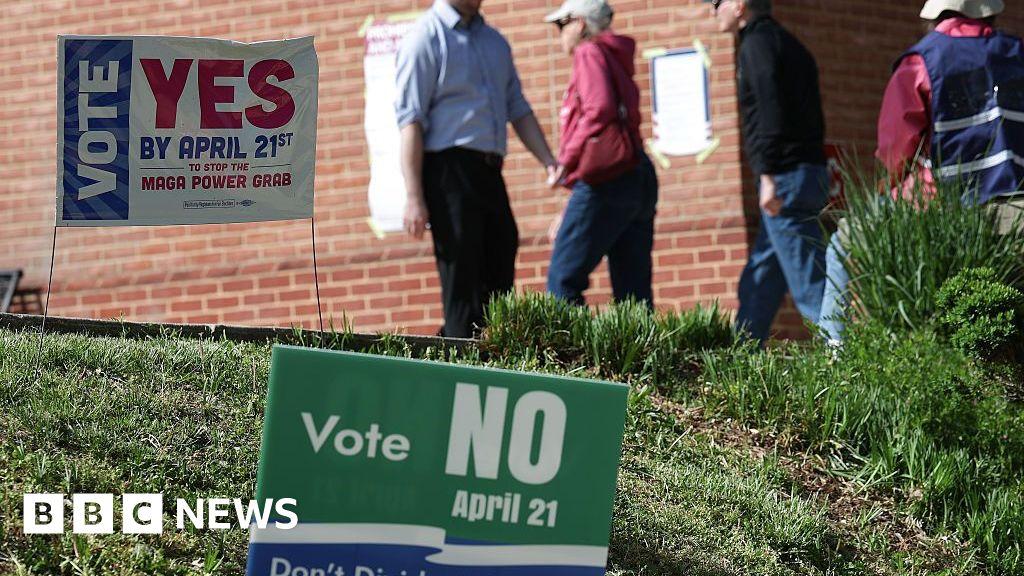
BBC foregrounded the court’s pause and the constitutional question, saying the court deemed the new map and the bill unconstitutional after a lawsuit from the Republican National Committee, and it also included the House balance of power as “217 Republicans, 212 Democrats, and one independent.”
Courthouse News, by contrast, focused on the vote totals and the judge’s reasoning about the ballot question, quoting the proposed ballot question about amending Virginia’s constitution “to allow the General Assembly to temporarily adopt new congressional districts to restore fairness” while ensuring redistricting resumes after the 2030 census.
Fox News leaned into a “legal win for Republicans” framing, quoting Ken Cuccinelli’s claim that the referendum was unconstitutional and describing “four constitutional challenges” moving through the courts.
CNN emphasized the judge’s findings about ballot language and the state’s failure to follow its own rules, reporting that Hurley called the ballot language “flagrantly misleading” and barred election officials from modifying districts or proceeding with the new maps.
Democracy Docket described the ruling as a pause rather than a defeat, quoting the court’s language that “any and all votes for or against the proposed constitutional amendment in the April 21, 2026 special election are ineffective.”
What Happens Next
The next steps in the Virginia case are set up as a rapid, multi-level legal process, with appeals and pending arguments at the state Supreme Court.
“A Virginia circuit court judge on Wednesday issued an order blocking the results of a congressional redistricting referendum that could net Democrats four extra seats in the U”
CNBC reported that Hurley ruled in favor of a lawsuit filed by the Republican National Committee challenging the legality of the referendum, and it said Jones would immediately file an appeal in the Court of Appeals.

WJLA said the Virginia Supreme Court overruled two previous orders from the circuit court to block the referendum vote and that the state’s highest court is still expected to hear those cases.
Courthouse News reported that the Supreme Court of Virginia is due to hear oral arguments on Monday, and it said the referendum comes six years after Virginia voters overwhelmingly approved a constitutional amendment banning partisan gerrymandering.
WRIC ABC 8News said the proposal faces ongoing legal challenges, including a lawsuit submitted by the Republican National Committee, National Republican Congressional Committee, and two GOP congressmen, and it reported that some arguments are already before the Supreme Court of Virginia.
Democracy Docket described the ruling as far from the final word and said the appeal could land before the Supreme Court of Virginia, which would have the final say on whether the voter-approved map can take effect.
CNN added that the case before the state Supreme Court is still pending and quoted Andrea Gaines, a spokesperson for the Virginia Department of Elections, saying state officials are “in the process of reviewing its impact on the State Board Certification” of Tuesday’s results.
More on USA
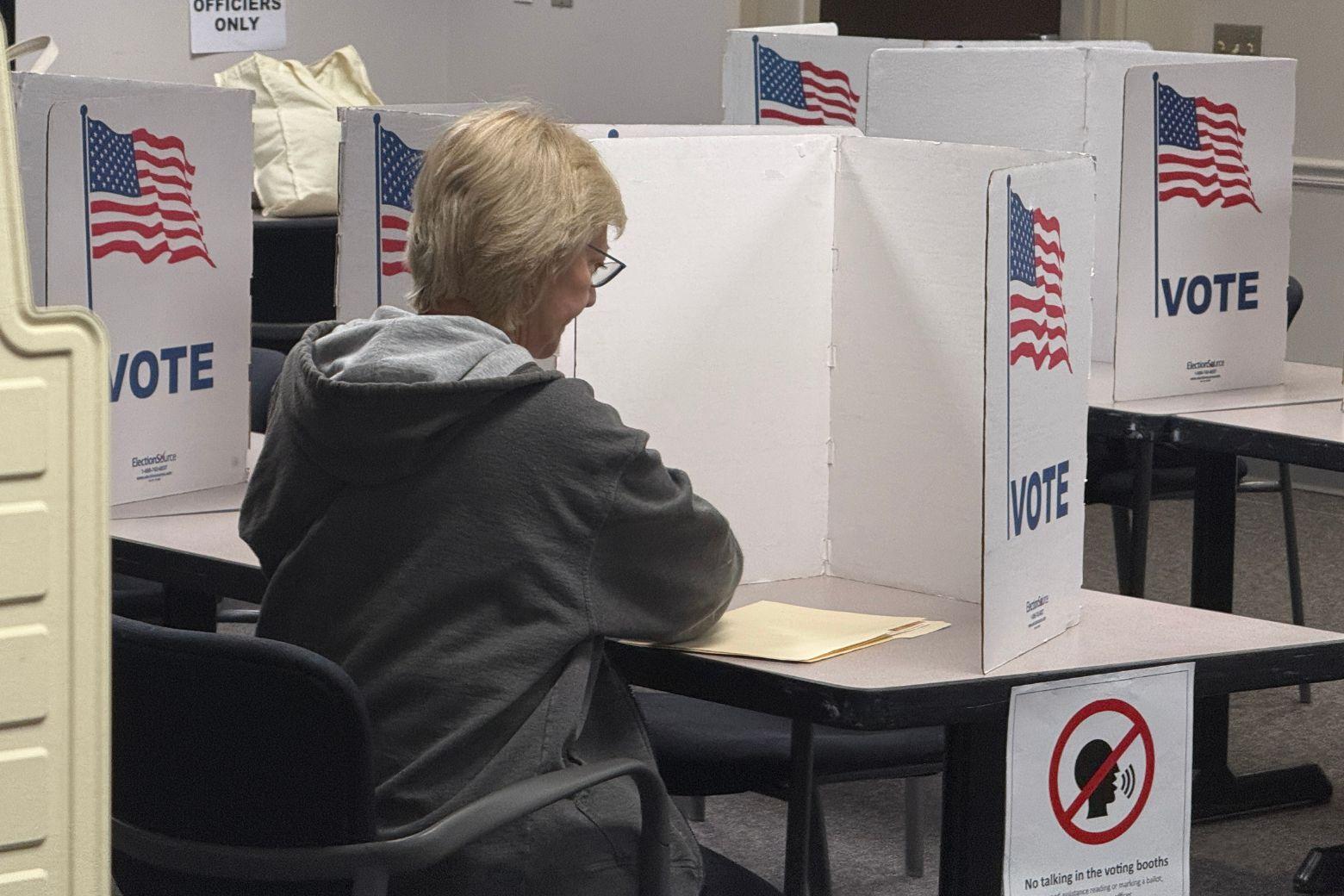
Virginia Voters Approve Redistricting Referendum as Judge Pauses Certification
19 sources compared
Pete Hegseth Fires Navy Secretary John Phelan as US Blockade of Iranian Ports Continues
11 sources compared

9th Circuit Blocks California Law Requiring ICE Agents To Wear Identification
12 sources compared

Trump Extends Iran Ceasefire While US Keeps Naval Blockade in Strait of Hormuz
18 sources compared