Iran · 19 March, 2026 · 3 min read
The GCC States and the War on Iran: Rethinking Responses to Unwanted Consequences
US and Israel launched a war of choice against Iran on Feb 28, 2026. GCC states had long sought to avert this conflict.
1 outlets, one story, no spin found.
1outlets compared
Escalation: strikes and casualties
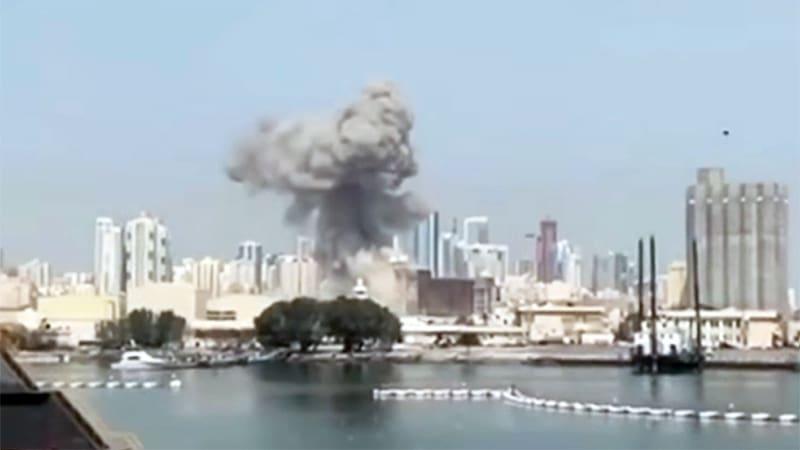
On February 28, 2026, the United States and Israel launched airstrikes that, in their opening hours, killed Iran’s Supreme Leader Ayatollah Ali Khamenei in Tehran and also killed more than 160 girls and their teachers at an elementary school in southern Iran. On the first day of the war, Iranian missiles and drones began to hit not only military facilities in Gulf states hosting US forces but also civilian targets such as hotels as well as energy infrastructure and international airports in Abu Dhabi, Bahrain, Dubai, and Kuwait, signaling the most serious and sustained threats to the physical security of the GCC states since the Iraqi occupation of Kuwait in 1990–91.
The attacks adversely impacted aviation, tourism, and sport, and the Strait of Hormuz effectively closed due to attacks on shipping, with insurance withdrawals amplifying the shock. On March 2, 2026, QatarEnergy halted production of Liquefied Natural Gas (LNG) and, two days later, declared force majeure, while Kuwait and Bahrain cut back oil production for lack of storage capacity and alternative export routes.
Global energy and trade disruption
Prior to the war, more than 20 percent of the world’s oil and natural gas passed through the Strait of Hormuz, and its effective closure underscores the chokepoint’s strategic importance, while deterring shippers and insurers. The disruption extends beyond energy shipments to critical industrial inputs, with 49 percent of global urea, 30 percent of ammonia, and 50 percent of world sulfur exports relying on Hormuz; Gulf states account for 8 percent of global aluminum production, and Qatar’s helium supply—roughly a third of the world’s—has been affected.
LNG shipments from Qatar and Abu Dhabi currently have no viable alternative to Hormuz, and the interruption of Qatar’s Ras Laffan LNG export facility has removed about 20 percent of LNG from the market, affecting buyers worldwide. Saudi Arabia’s East-West pipeline and the Abu Dhabi Crude Oil Pipeline offer partial relief but cannot fully replace Hormuz, particularly for natural gas exports, while the broader energy and chemical value chains face disruption as storage and export routes tighten.
GCC security realignment prospects
The war has eased, if not ended, the deepening rift between Saudi Arabia and the UAE, who now share anger at Tehran for attacking Gulf states and at Washington for plunging the region into turmoil. There are indications that Gulf leaders are contemplating stronger regional security cooperation, including a NATO-style alliance advocated by Hamad bin Jassim Al Thani on March 13, 2026. Previous attempts at collective security have floundered due to reluctance to pool resources, a preference for bilateral ties with external partners like the United States, and divergent threat perceptions.
Ongoing risks and regional outlook
Even if the war ends soon and does not descend into a grinding conflict lasting months, repairing trust and diplomatic relations with Tehran will not be swift, and doubts about US security guarantees are likely to grow as Washington’s actions have exposed Gulf states to harm rather than deterrence. The current crisis has highlighted Iran’s capacity to disrupt the global economy, particularly through energy infrastructure and shipping, and the missile strike on Ras Laffan Industrial City on March 18 caused extensive damage to Qatar’s energy sector. The attack followed an Israeli drone strike that damaged gas treatment facilities at Iran’s Assaluyeh gas complex, signaling a risk of escalation toward a mutually destructive phase if the conflict deepens.