
Iran Names Mojtaba Khamenei Supreme Leader, Hardliners Cement Rule
Key Takeaways
- Mojtaba Khamenei was appointed Iran's new supreme leader by the Assembly of Experts.
- Hardliners consolidated power, signaling continuity of hardline policies and likely prolonging the war.
- Global oil prices surged, while regional missile and drone attacks continued causing casualties.
New Iranian supreme leader
Iran’s Assembly of Experts has confirmed Mojtaba Khamenei — the son of the late Ayatollah Ali Khamenei — as Iran’s new supreme leader.
“Iranian Ambassador to China Abdolreza Rahmani Fazli meets the press at the Iranian Embassy in Beijing on March 9, 2026”
State television announced the elevation amid a widening regional war that began with the killing of his father.
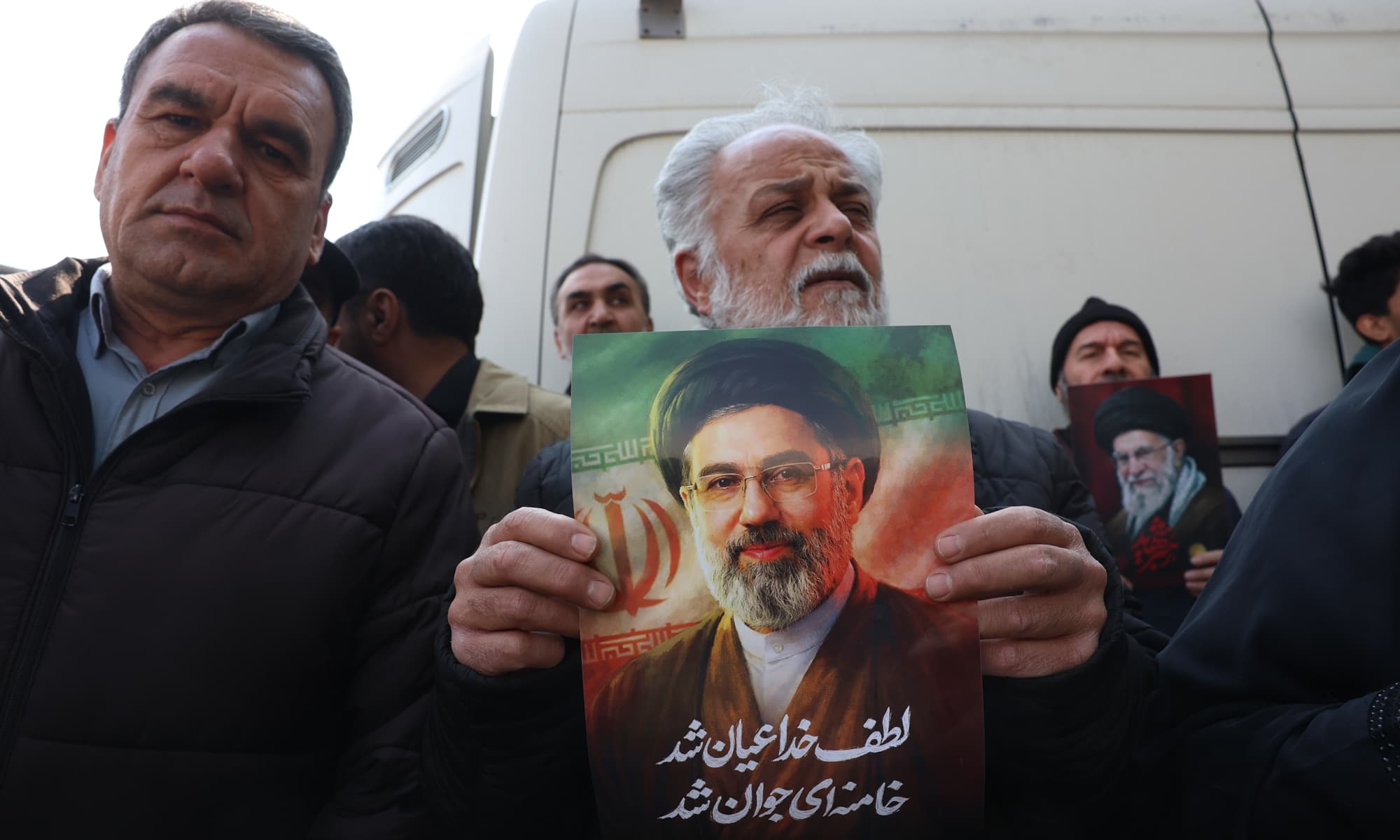
Multiple outlets reported the naming after opening strikes.
One report said Mojtaba Khamenei was named following a nine-day war that began with his father’s killing.
Other coverage noted he had long been considered a possible successor before being named supreme leader.
A report added that Mojtaba Khamenei, 56, has become Iran’s third supreme leader after the assassination of his father in the opening phase of the current war.
Mojtaba's influence and profile
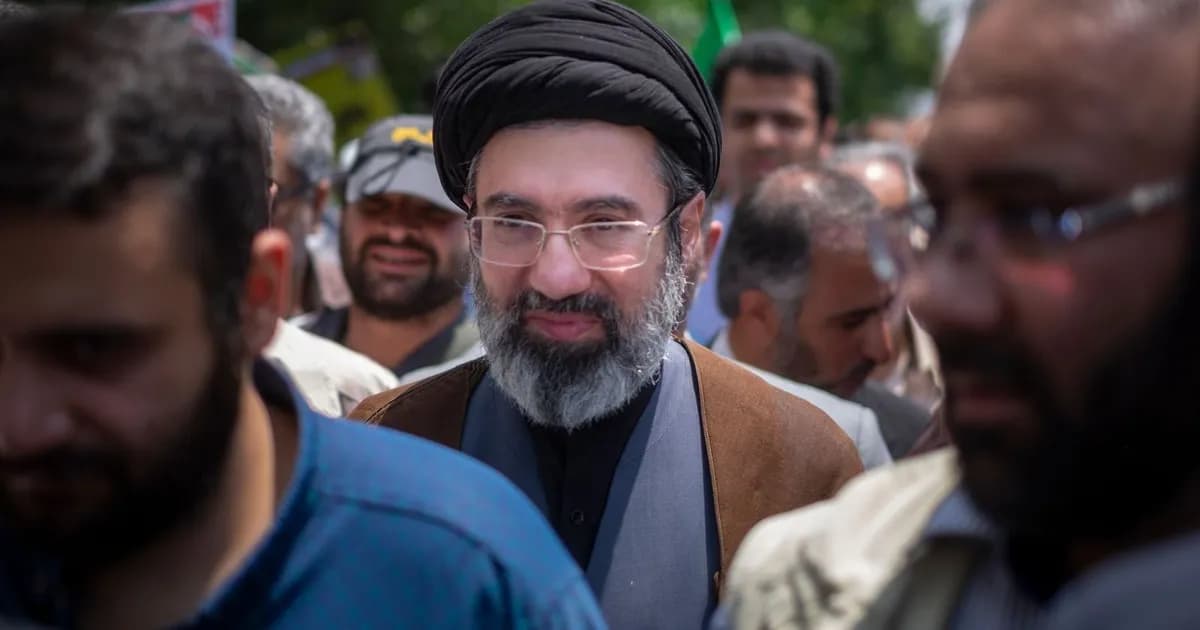
Mojtaba is portrayed in reporting as a secretive, hard-line cleric with deep ties to Iran’s security apparatus but little public religious standing or formal government experience.
News outlets described him as 'a politician and cleric long seen as powerful inside Iran’s ruling circle and influential with the Revolutionary Guard' and noted he 'has not been heard from since the start of the conflict'.
Reports said he was 'dubbed "the power behind the robes" in leaked U.S. cables'.
Coverage emphasized his low public profile, noting his photo never appeared beside his father's.
It added that many Iranians have never heard him speak.
Reports said the late ayatollah reportedly tried to rule him out of succession to avoid hereditary rule.
Despite that low public profile, Mojtaba was chosen by the Assembly of Experts amid calls for continuity.
Observers stressed he is a mid‑ranking cleric who has exercised power mainly behind the scenes and has never held a formal government post, making him relatively mysterious publicly.
They also described him as a secretive, hard-line cleric with close ties to the Islamic Revolutionary Guard Corps.
Reactions to appointment
The appointment has exposed sharp domestic divisions.
“Meanwhile, hostilities are intensifying in Lebanon”
State media and security forces staged public pledges of loyalty and celebrations.
Reporters noted that "Large pro-regime crowds and security forces pledged loyalty, and state TV even broadcast missiles launched 'At your service, Seyyed Mojtaba.'"
State television promoted unity, saying he was chosen by 'strong' votes and broadcasting footage of celebrations in parts of Tehran.
Critics and demonstrators voiced resistance, with "anti-regime protesters, some who survived January's deadly crackdown, chanted 'Death to Mojtaba,' underscoring deep domestic opposition."
Officials said the Assembly "carried out an extraordinary, nationwide process despite 'severe wartime conditions,' enemy threats and a bombing of the council secretariat that killed staff, and invoked constitutional powers to avoid a leadership vacuum."
Iran succession reactions
The succession unfolded amid an escalating regional war and international contention, with immediate reactions from foreign governments and concerns about external interference in Iran’s internal choice.
Coverage reported: 'U.S. President Donald Trump called Mojtaba unacceptable and demanded Iran’s unconditional surrender and U.S. approval of any new leader, while Israel has vowed to target Iran’s clerical system and has expanded attacks, including strikes in central Iran and in Beirut.'
Separately, former President Trump told Axios last week that a likely succession choice would be 'unacceptable,' suggested he would prefer to handpick a new supreme leader — a decision normally made by Iran’s clerics — and said 'they are wasting their time.'
International responses included China's framing of the process as constitutional at a March 9, 2026 press meeting, which announced that Mojtaba Khamenei has been chosen and 'meets all the qualifications' under the constitution.
Reporting also stressed that Iran blamed attacks on Feb. 28 on the United States and Israel.
The source material uses both 'U.S. President Donald Trump' and 'former President Trump' to describe Trump's comments, a contradiction in how his title is presented across the coverage.
Iran leadership and energy impact
Analysts and multiple outlets warned the succession consolidates hard-line control over Iran’s military and nuclear levers and comes as the conflict has already disrupted energy markets and regional infrastructure.
“Separately, finance ministers from the G7 nations are meeting Monday afternoon by video conference to discuss the repercussions from the Iran war”
Reports emphasized that the new leader will control Iran’s armed forces and has authority over the country’s nuclear program, and that analysts and adversaries warned he might push Iran closer to a bomb given remaining highly enriched uranium.

Reports also said that as supreme leader he will hold ultimate authority over the military and the Islamic Revolutionary Guard Corps and will control Iran’s stockpile of highly enriched uranium.
Observers linked the leadership change to immediate economic and strategic effects, noting attacks that struck a major Bahraini refinery which declared force majeure and strikes on Iran’s domestic oil infrastructure that heightened fears of a prolonged energy crisis and higher inflation worldwide.
They added that the appointment comes amid an escalating conflict and pushed global crude above $100 a barrel.
The news sent oil prices sharply higher, stoking fears that rising energy costs could drive inflation and curb consumer spending in the United States.
More on Iran

US Defense Secretary Pete Hegseth Vows 'Most Intense' Day of Strikes in War on Iran
12 sources compared

Iran Shuts Strait of Hormuz, Halts Tanker Traffic and Chokes Global Oil Supply
10 sources compared
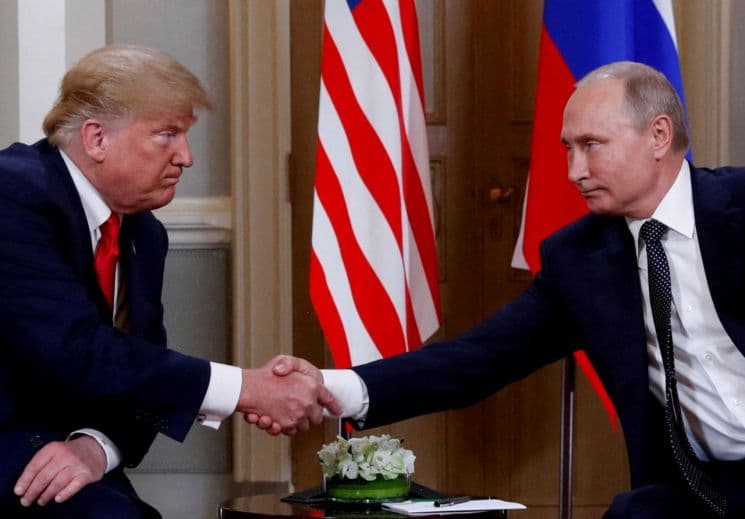
Putin Proposes Swift Plan to End War in Iran to Trump in Hour-Long Call
12 sources compared

Escalation in Iran Pushes Oil Near $120, Sparks Gas Price Surge in Los Angeles
10 sources compared