
Full story
Ceuta crisis spills into politics
A month after tens of thousands of migrants entered Ceuta from Morocco on July 30 and 31, violence and tensions have continued in the Spanish exclave on the northern African coast, with outbreaks reported between locals and foreign arrivals.
“At least 72,000 migrants crossed from Morocco into Ceuta on 30 and 31 July”
The BBC said at least 72,000 migrants crossed from Morocco into Ceuta on 30 and 31 July and that at least 100 people died during the mass crossing, while the Spanish government said several thousand remain, many of them children, sleeping rough on beaches or streets.
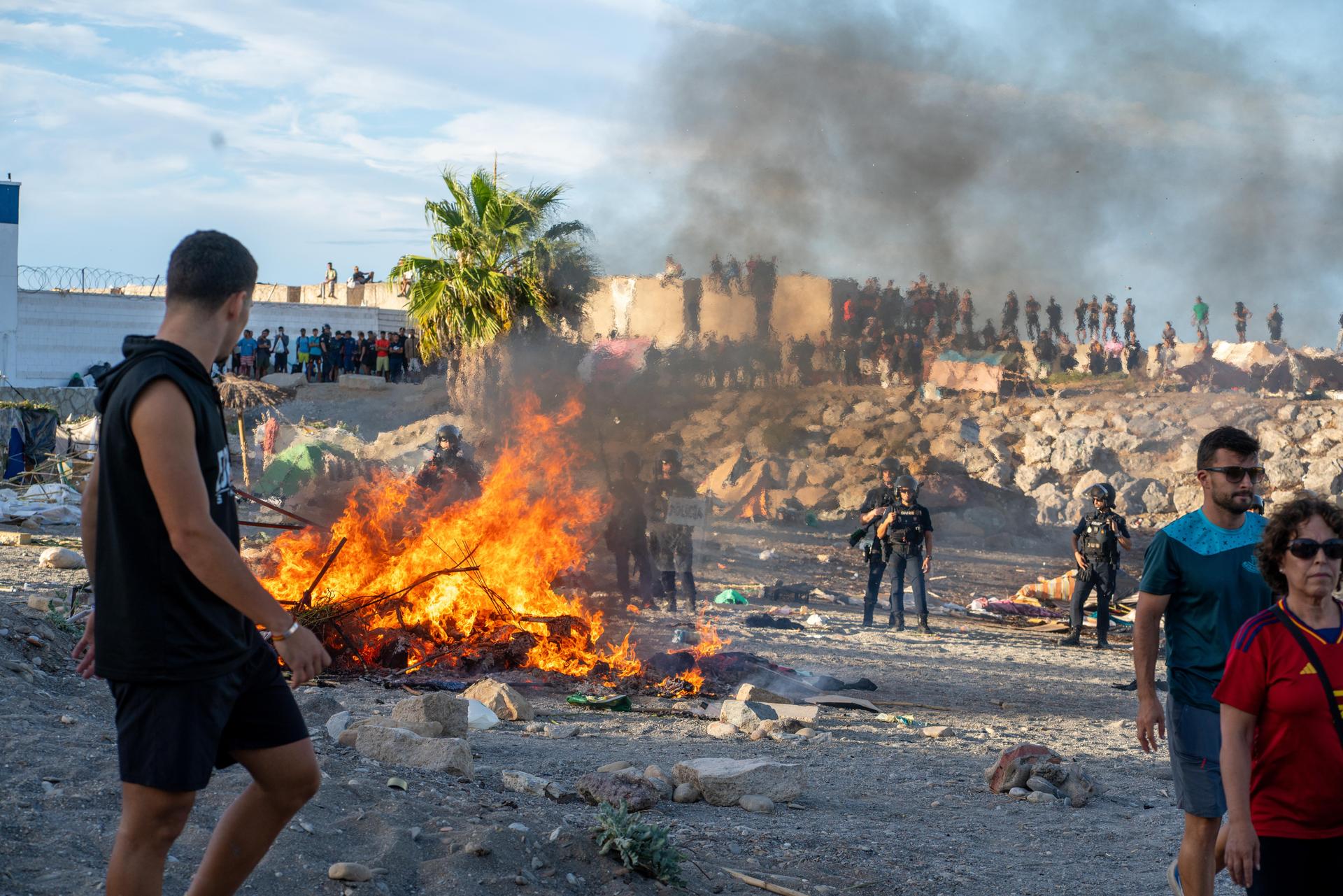
In Madrid and across Spain, protests have become a focal point for political conflict over Prime Minister Pedro Sánchez’s handling of the crisis, with the BBC describing accusations that the government has struggled to manage it effectively.
Ceuta’s mayor Juan Jesús Vivas told Antena 3 television that the city has the right to normality, saying, "This is a city which has been under pressure, […] which has the right to normality," and he added, "The dignity of Spain is a stake right now in Ceuta."
Rhetoric, blame, and competing narratives
As protests spread, the BBC reported that José María Figaredo, a member of Congress for Vox, is being investigated for a possible hate crime after saying the migrants should be "hunted down, one by one".
Interior Minister Fernando Grande-Marlaska told a congressional committee that the government has heard rhetoric that contributes to stigmatisation, saying, "We have heard during these weeks rhetoric and comments that contribute to the stigmatisation of immigrants".

The BBC also described how the socialist-led government appealed for calm and accused Vivas’s People’s Party (PP) and Vox of stoking tensions, while Javier Celaya of the PP accused the government of treating "the invaders as victims when the real victims are us, the people of Ceuta".
In parallel, the crisis has been framed as a dispute over sovereignty and territorial integrity, with the BBC quoting Vivas’s claim that "What happened was the violation of Spain's territorial integrity."
What comes next for Ceuta
The BBC said Spain’s government is facing questions about who was behind the mass migrant crossing, with politicians on the right and far left accusing Morocco of involvement and Sánchez blaming people traffickers while insisting Rabat facilitated the immediate return of most arrivals.
“"may have felt, or who even still feel, abandoned or not sufficiently cared"”
The BBC reported that Defence Minister Margarita Robles apologised to people in Ceuta who "may have felt, or who even still feel, abandoned or not sufficiently cared" as the government unveiled plans to overhaul immigration laws.
In the background of the street unrest, the BBC described government plans to move migrants into existing public buildings, such as sports centres, to process legal status and return those not eligible for asylum to Morocco, a step that Vivas and many locals oppose.
The BBC also said the crisis has placed the sovereignty of Ceuta and Melilla under the spotlight, and it quoted Spain’s Foreign Minister José Manuel Albares saying he "roundly rejected" Morocco’s comments about the territories.