Full story
Drills cut, Kim replies
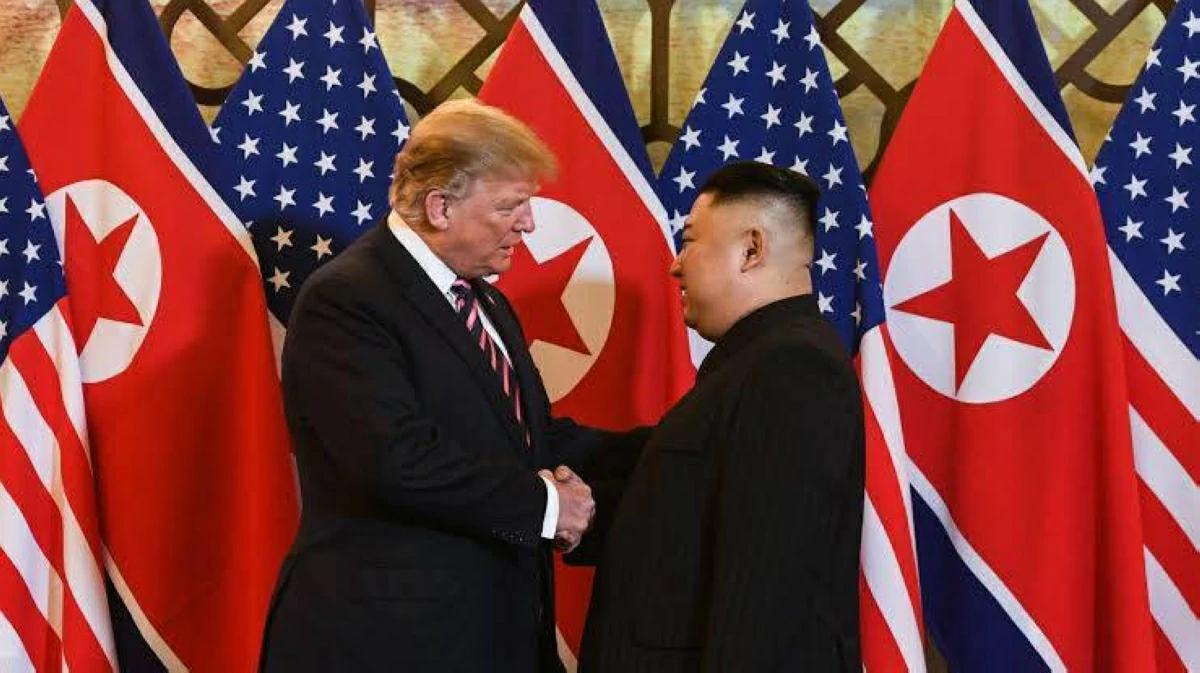
North Korea dismissed Washington’s decision to scale back joint military exercises with Seoul, saying the move “won’t change even though their duration and size were reduced,” in a late-night statement from Kim Yo Jong.
“"The provocative, aggressive nature of the drills won’t change even though their duration and size were reduced."”
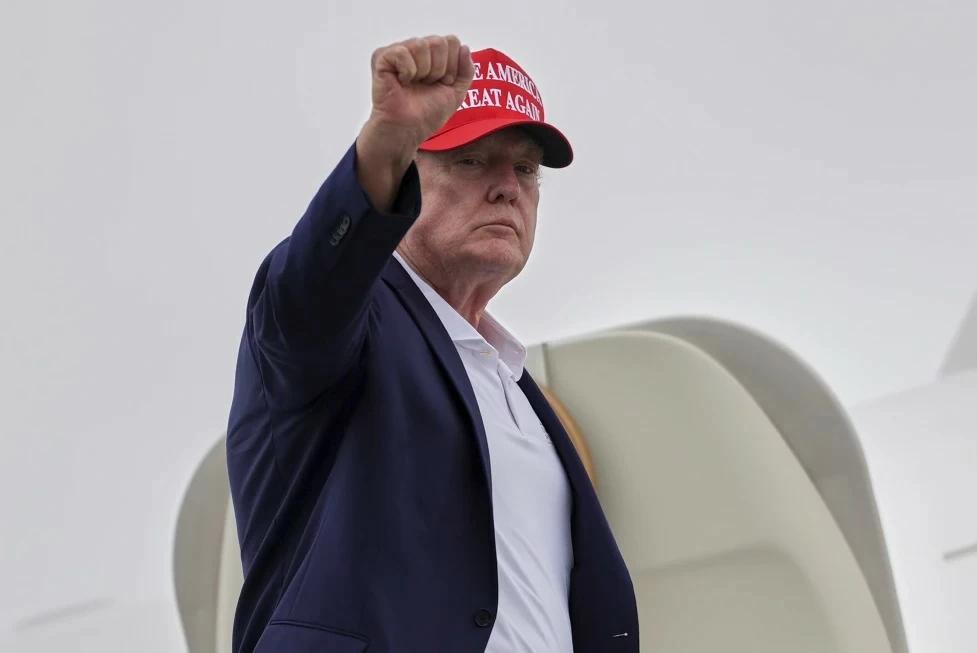
The Independent reported that Trump ordered the Pentagon to “substantially reduce” the joint Ulchi Freedom Shield exercises shortly before their scheduled 11-day run began on Monday, and that South Korea’s defense ministry said both nations agreed to adjust the scale and length of the exercises following American requests.

South Korean and U.S. militaries agreed to shorten the drills at the U.S.’s request, with South Korea’s military saying the ongoing drills would end Friday rather than Aug. 27 as initially planned.
Reuters reported that Chinese Foreign Minister Wang Yi arrived in Seoul on Wednesday for talks with South Korean officials after Seoul and Washington scaled back the joint drills as Trump sought to revive diplomacy with Kim Jong Un.
In the same Reuters report, Wang told South Korea’s Yonhap that Washington should change its “hostile policy” towards Pyongyang, while the U.S. said it was continuing training that “enhances tactical capability” and converting select events into computer simulations.
Reactions and competing frames
Kim Yo Jong said North Korea had “no any interest” in Washington’s exercise changes, while the BBC reported Labour Minister Tahmina Akhter’s government would launch an immediate investigation into the drills’ political fallout.
In Seoul, South Korea’s defense ministry stated Wednesday that both nations agreed to adjust the scale and length of the exercises following American requests, and the Pentagon said it was “continuing training that enhances tactical capability.”
Al Jazeera framed Trump’s move as leverage and “tit-for-tat diplomacy,” quoting Yong-Chool Ha saying Trump may want to “put pressure on South Korea … following [Seoul]’s reluctance to cooperate with the US in the Iran war.”
Al Jazeera also quoted Eugene Park, saying Trump’s decision reflected Washington’s shifting priorities, with Park telling the outlet that the United States faces “greater demands on its military resources” than during Trump’s first term.
Reuters reported that Wang Yi kicked off talks with counterpart Cho Hyun soon after his arrival, with Cho telling Parliament they would discuss Korean Peninsula issues including recent developments surrounding the military exercises.
What’s at stake next
The Independent said concerns are growing among security analysts that truncating the maneuvers could undermine joint military preparedness and destabilize the long-standing alliance, and it cited Yang Uk of Seoul’s Asan Institute for Policy Studies warning that missing full-scale exercises leaves incoming commanders unfamiliar with critical operational procedures.
“missing full-scale exercises leaves incoming commanders unfamiliar with critical operational procedures”
ABC News reported that Ulchi Freedom Shield is largely a computer-simulated command post exercise meant to hone the allies’ ability to deal with potential North Korean aggression, and that the two countries usually hold field training exercises during the command post period.
Foreign Policy described a “rare window” for North Korean diplomacy, arguing that if Trump wants to negotiate, he must stop making denuclearization the price of admission, and it cited South Korea’s Unification Minister Chung Dong-young saying Seoul would no longer insist on North Korea’s complete and immediate denuclearization as the starting point for diplomacy.
Reuters said Wang Yi was scheduled to meet President Lee Jae Myung on Thursday and hold talks and a luncheon with National Security Adviser Wi Sung-lac, while Cho told Parliament that the foreign ministry was pursuing a summit between Lee and Chinese President Xi Jinping on the sidelines of the Asia-Pacific Economic Cooperation summit in Shenzhen later this year.
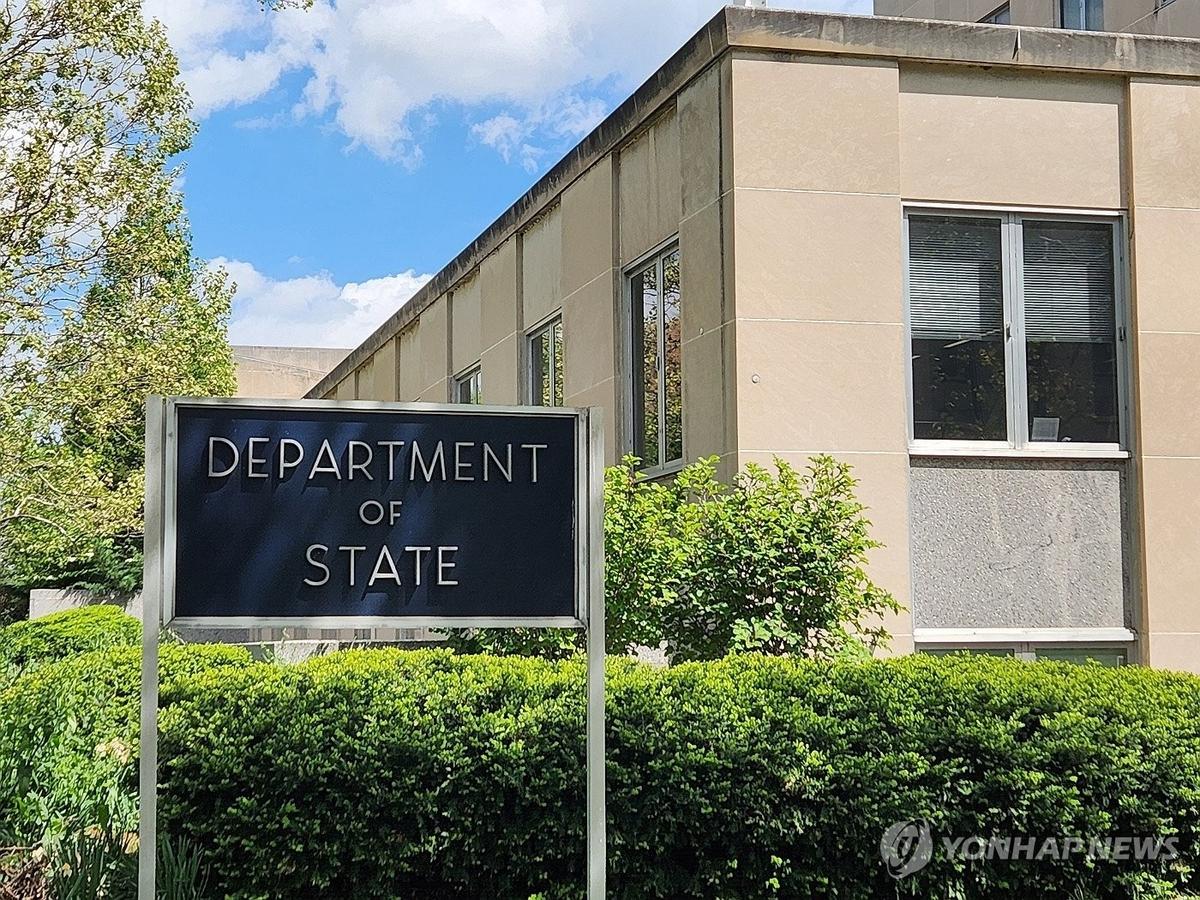
Yonhap reported that the U.S. State Department reiterated Washington remains open to holding talks with Pyongyang “without preconditions,” responding to questions about whether there are State Department-level efforts to resume diplomacy with Pyongyang.