Full story
Abu al-Duhur Strike
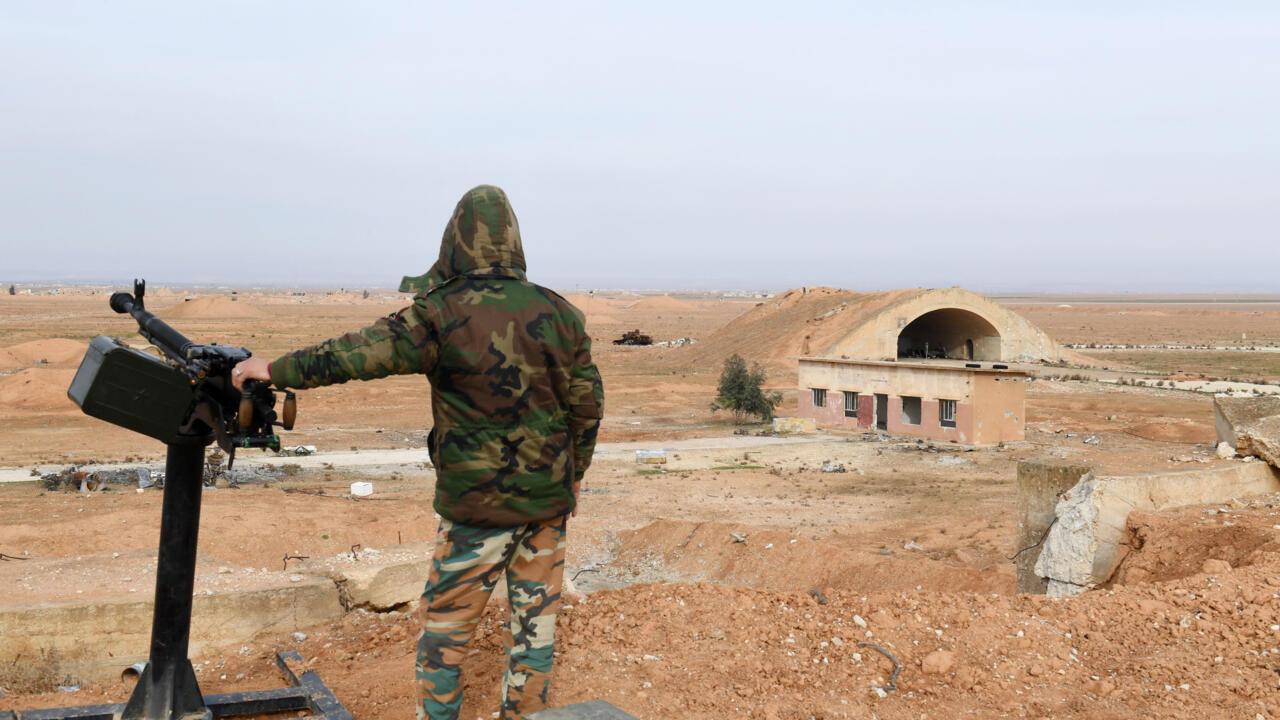
On Tuesday evening, the Prime Minister’s Office took credit for a strike on Abu al-Duhur airbase in Idlib, Syria, and US ambassador to Turkey and the Trump administration’s special envoy to Syria Tom Barrack said the strike “carried a real risk of rapid escalation into a direct military confrontation between Israel and Turkey as well as Syria.”
“carried a real risk of rapid escalation into a direct military confrontation between Israel and Turkey as well as Syria.”
Syria said on Tuesday that Israel carried out eight airstrikes on the runway and storage facilities at Abu al-Duhur, about 70 kilometers east of the Turkish border, while the Prime Minister’s Office said late Tuesday that Syria was on the “verge” of violating a “status quo agreed with Israel on security matters” by allowing Turkish troops to deploy at the airbase.

The Jerusalem Post reported that Barrack said Turkish forces were not aware that Israeli aircraft were en route to the specific Syrian base, and he warned that the lack of clear communication channels could have made the situation “much worse.”
The dispute over narratives was sharpened in another report that said eight airstrikes were carried out in the early hours of Tuesday, August 18, 2026, by aircraft believed to be Israeli, targeting the military Abou al-Douhour airfield runway in eastern Idlib countryside.
In that same account, Damascus denied any understanding, saying “No agreement that binds our sovereignty,” while Turkey condemned the raids and denied any Turkish military presence at the base.
Competing Claims and Warnings
Barrack told The Jerusalem Post that the events of the strike were “serious and worrisome,” but he said “we are relieved that no human life was harmed and that the situation did not escalate.”
In parallel, a report said a senior Syrian diplomatic source described Netanyahu’s claims as “false and baseless,” and it added that the source confirmed Israel targeted Abou al-Douhour airport despite being informed beforehand that there were no foreign forces at the site.
Turkey denied the Israeli justification, with a Turkish official stating that “we have no military presence at Abou al-Douhour,” and the Turkish Foreign Ministry condemned the raids as a “violation of Syrian territory and sovereignty.”
The same reporting said Syrian Foreign Minister Asaad Shbeebani condemned the raids as a “unjustified aggression that violates Syria’s sovereignty and threatens regional stability,” while the U.S. special envoy to Syria Jim Jeffrey expressed “grave concern” about the strikes.
The Jerusalem Post also quoted Barrack saying discussions were ongoing about relaunching a deconfliction cell between Israel and Syria, with Turkey invited as a participant, and he argued that “Reliable communication remains essential.”
De-escalation Mechanism at Stake
Barrack said Washington was engaged in “quiet discussions with all the relevant parties about relaunching a deconfliction cell between Israel and Syria,” and he argued that Turkey could be invited “to be a direct or indirect participant.”
“Diplomatic discourse is the best prevention to kinetic interactions”
He also said the absence of dependable communication channels itself creates unnecessary risk, adding that “Diplomatic discourse is the best prevention to kinetic interactions,” while the Jerusalem Post reported that the Prime Minister’s Office framed Syria’s alleged move as a threat to Israel’s security.
Another report said Damascus warned that continued Israeli assaults, including shelling, incursions, and abductions, hinder stability efforts and threaten the region with further tension, and it described Syria’s position in two identical letters to the United Nations and the Security Council.
The same set of reporting said the Syrian Foreign Ministry diplomat denied Netanyahu’s office claims about an agreement with the Syrian government on a specific security reality, and it quoted Hussein al-Sheikh, father of Syrian President al-Assad, saying the “ongoing Israeli aggression targets Syria’s stability.”
In that context, the stakes were framed as preventing further escalation, with Barrack telling Reuters in a phone interview that Ankara did not receive prior notice of the strike and that “Fortunately, calm heads prevented the situation from deteriorating further.”


