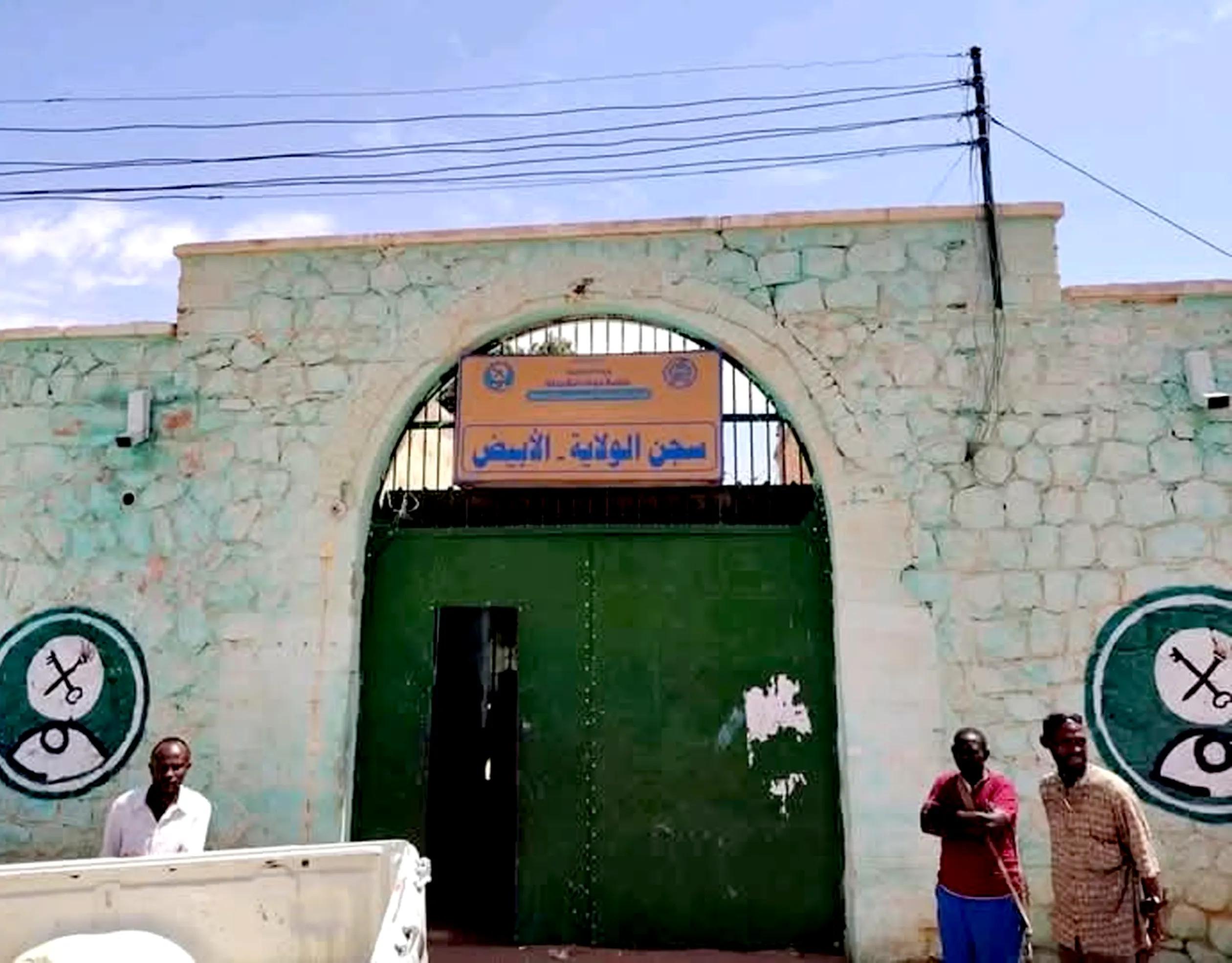
Tom Fletcher Calls Mohamed Hamdan Dagalo Over RSF Siege Of El-Obeid In North Kordofan
Key Takeaways
- Fletcher spoke with RSF leader Dagalo urging continued humanitarian access to El-Obeid.
- UN Human Rights Council adopted a resolution ordering an urgent investigation into abuses in El-Obeid.
- UN Human Rights Council calls for emergency debate on El-Obeid amid RSF siege.
UN presses RSF on access
The UN humanitarian chief Tom Fletcher held a phone call Monday with Sudan’s RSF paramilitary leader Mohamed Hamdan Dagalo on hostilities around El-Obeid in North Kordofan, stressing the need for sustained humanitarian access and safe movement for civilians.
Fletcher told Dagalo that he was concerned about the impact of drone attacks on civilians and the infrastructure they rely on, and the UN humanitarian agency OHCA said they also discussed bureaucratic impediments affecting United Nations and NGO partners’ life-saving relief efforts.

The UN said El-Obeid, a strategic hub in southern Kordofan, has been encircled for months by the RSF, which has been fighting Sudan’s army since April 2023.
OCHA said Denise Brown, the UN humanitarian coordinator in Sudan, concluded a mission to El-Obeid on Sunday and witnessed the impact of attacks on civilians and civilian infrastructure, including water, power and fuel supplies.
OCHA added that it “calls once again for the protection of civilians and civilian infrastructure” and for all parties to facilitate “rapid, safe, unhindered and sustained humanitarian access” across Sudan.
Rights council orders inquiry
The UN Human Rights Council on Monday passed a motion condemning escalating violence by the Rapid Support Forces in Sudan’s al-Obeid and setting up an urgent inquiry into alleged abuses there, with Britain bringing the motion alongside 14 other states.
Britain’s Human Rights Ambassador Eleanor Sanders told the body, “These horrors must not be repeated,” while South Africa’s Ambassador Zaheer Laher backed the move and called the situation a “red alert as the Rapid Support Forces are drawing from the very same genocidal playbook they used in al-Fashir.”

The motion was adopted by consensus, but China dissociated itself from the decision, saying it did not support investigations that target individual countries without their backing.
The UN human rights chief warned on Friday that a “catastrophe” was unfolding around al-Obeid and that his office had documented patterns of summary executions, abductions, torture and sexual violence in the surrounding region.
The council’s action came as Sudan’s Permanent Representative Hassan Hamid said Khartoum welcomed “the positive aspects of the resolution” while expressing “categorical rejection” of paragraphs related to the mandate of the fact-finding mission.
Blackout, siege, and risks
Al Obeid has been without electricity for nearly a month, with fuel shortages and soaring food prices compounding the humanitarian crisis as the RSF maintains its siege of the key Sudanese city.
The National reported that more than 500,000 people in Al Obeid require humanitarian assistance, with trapped civilians unable to flee due to dangerous road conditions, and it cited a resident saying, “We are living in complete darkness since power went out nearly a month ago.”
The UAE announced a $30 million emergency humanitarian response to support civilians amid the deteriorating situation, while residents told The National that RSF drones were constantly hovering overhead.
The UN Human Rights Council voiced “deep concern about the imminent risk of large-scale atrocities” by the RSF and warned of a siege reminiscent of the takeover of El Fasher in North Darfur last year.
International Organization for Migration warnings echoed the risk of repetition, with the agency warning Al Obeid could become “like Al-Fashir” if “we do nothing,” according to a video clip broadcast by IOM’s Mohamed Rifaat.
More on Sudan

Sudan Gold Mine Collapse Kills 15 Miners At Mohamed Tawfiq Mine Near Egyptian Border
11 sources compared

Qatar Airways Launches First Port Sudan Flights From Doha With Airbus A320
10 sources compared

Rapid Support Forces Impose Siege Conditions, Intensify Drone Strikes on El Obeid, Sudan
18 sources compared
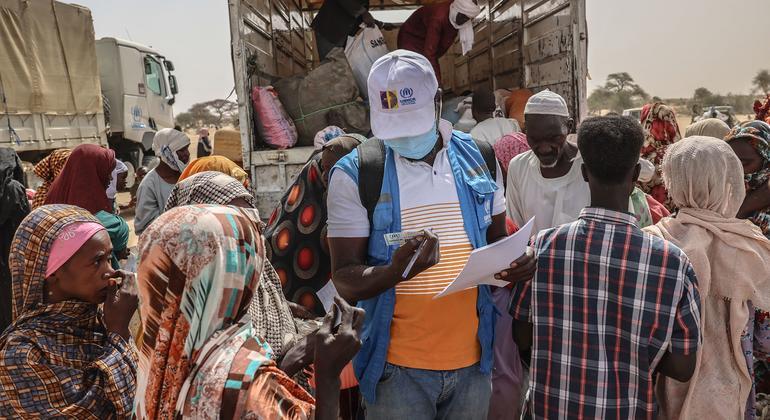
Amnesty Accuses Sudan’s RSF of Crimes Against Humanity and Ethnic Cleansing in El Fasher
21 sources compared