Tripoli Declared War on the United States in 1801 Over Payments
Key Takeaways
- North African corsair states demanded tribute from American ships.
- The United States paid tributes and pursued diplomacy to protect commerce.
- These tensions contributed to a defining early U.S. military confrontation in the region.
Early U.S. war abroad
A narrative on “Atlas of American Wars” describes how war shaped America across “virtually every campaign, large and small,” and says the book begins with the “French and Indian Wars” and follows closely with the “Revolutionary War.”
“In his chronicle, the historian Samuel Touron evokes a little-studied chapter of history: the trade in white slaves in Barbary, which affected between 1”
The same account highlights “the first of the Barbary Wars” as a standout conflict, describing it as “1801 war between the U.S and a group of North African states” and calling it “America’s first war on terrorism.”
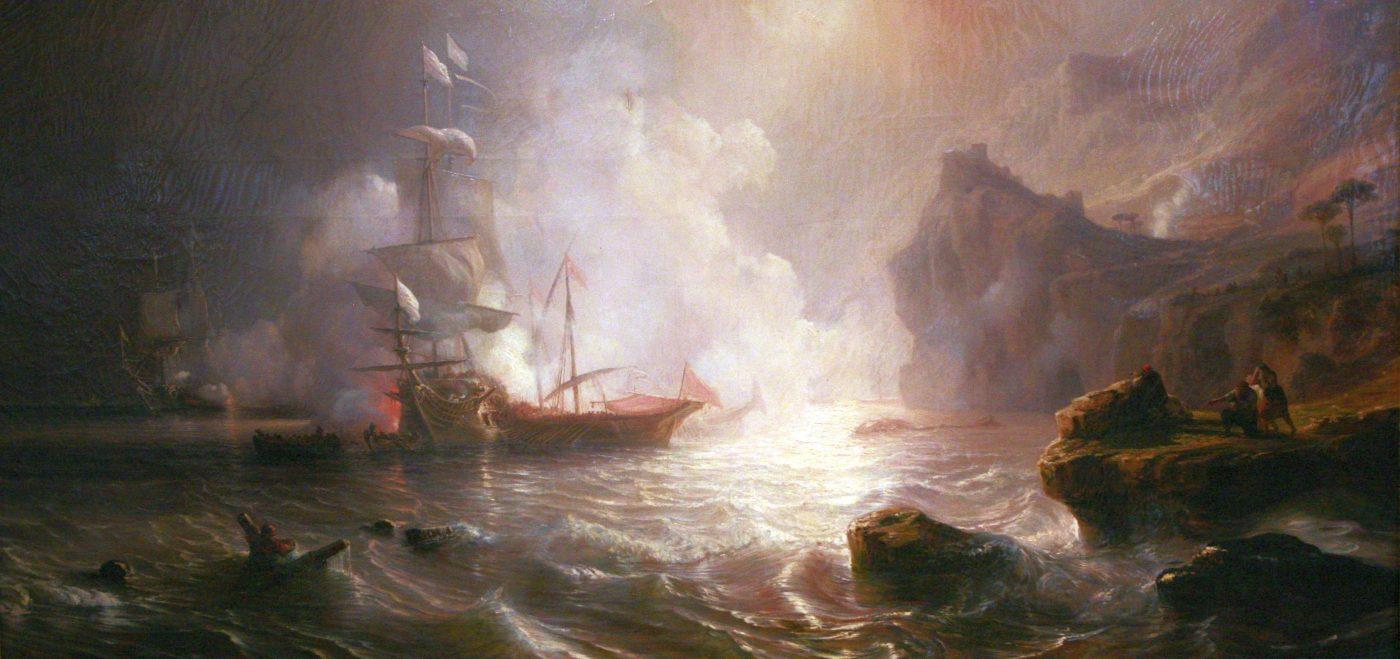
Another source frames the origins of that American spiral in the Mediterranean, saying that in 1801 “Tripoli declared war on the United States following a dispute over these payments.”
It adds that the young republic had earlier “paid tribute and tried to protect its trade through diplomacy,” with Thomas Jefferson opposing the practice before inheriting the issue as president.
Tribute, diplomacy, and dispute
The L'Orient Today account says that “At first, like the Europeans before them, Washington paid,” and that the young republic “negotiated, dispatched envoys, paid tribute and tried to protect its trade through diplomacy.”
It then ties the shift to a specific rupture, stating that “Thomas Jefferson, who had long opposed this practice, inherited the issue upon becoming president.”
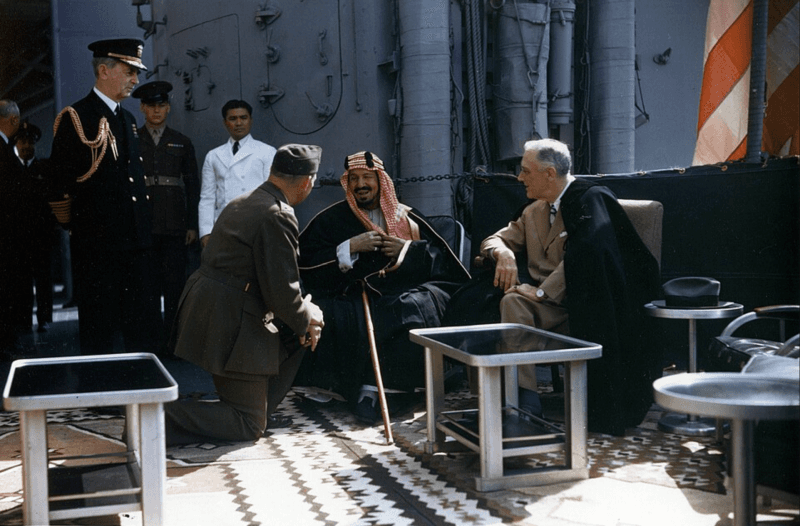
A separate piece in Salon quotes the middle-school framing of the conflict as “America’s first war on terrorism,” while also describing the Barbary states as “pirates, sponsored by the Barbary states.”
Salon further situates the dispute in a broader chain of maritime power, saying that “the end of the Revolutionary War meant the fledgling U.S. no longer had the protection of Great Britain’s Royal Navy.”
How the conflict echoes
A report described by اليـوم السابع places the Barbary Wars inside a longer sequence of U.S. interventions, saying it “surveys a series of interventions and wars in which the United States has participated since its founding.”
“At the end of the 18th century, American ships crossing the Mediterranean encountered the corsair states of North Africa — Algiers, Tunis, Tripoli and Morocco — which had long imposed tribute payments on European powers in exchange for safe passage”
That same source says the report “noting 15 cases and showing that it fought conflicts in various forms despite officially declaring war only on a limited number of occasions.”
It then links the early foreign expansion to later wars, stating that in the 19th century the United States expanded to include “the Barbary Wars, then the War of 1812 against Britain.”
The Salon account closes its arc by describing how “the book ends with a few skirmishes during the Reagan administration,” including “when U.S. Marines were dropped into Beirut and Grenada,” and “details how the U.S. launched air raid attacks on Libya in 1986.”
More on USA
Analyses Link Donald Trump’s Greenland Push to U.S. Expansionism From the Monroe Doctrine
11 sources compared
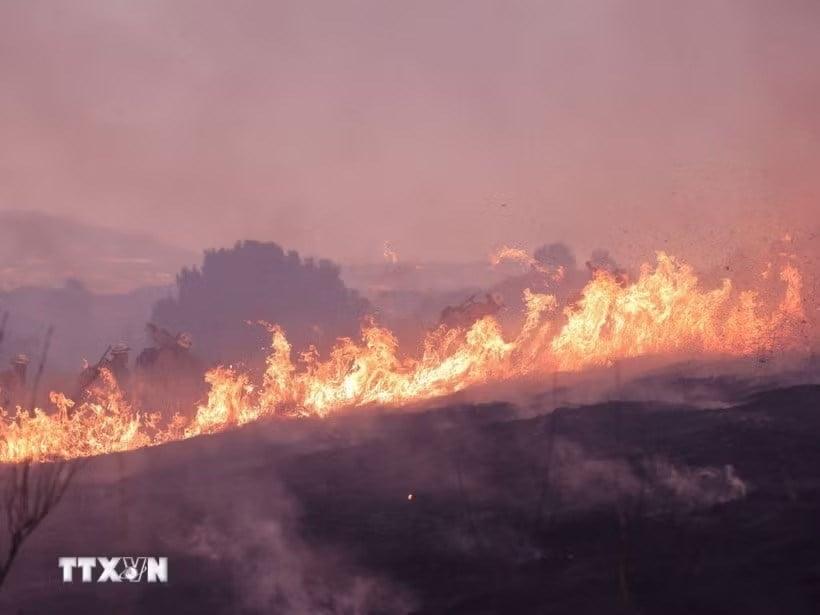
Aspen Acres Fire Forces Evacuations Near Denver, Destroys 160 Structures in Colorado
11 sources compared

Trump Uses July 4 250th Birthday for Political Rallies in Washington
14 sources compared

New York Harbor Welcomes More Than 40 Tall Ships for Sail4th 250 Anniversary Parade
13 sources compared