USA30 July, 20263 min read
Trump Administration Considers $100,000 Fee for Foreign Students’ OPT Work After Graduation
This article is an automated aggregation of coverage from news outlets. Our editorials offer in-depth analysis curated by the NewsCord team.
The administration is weighing a $100,000 fee attached to the OPT program. Enactment would price out many international students seeking post-graduation work.
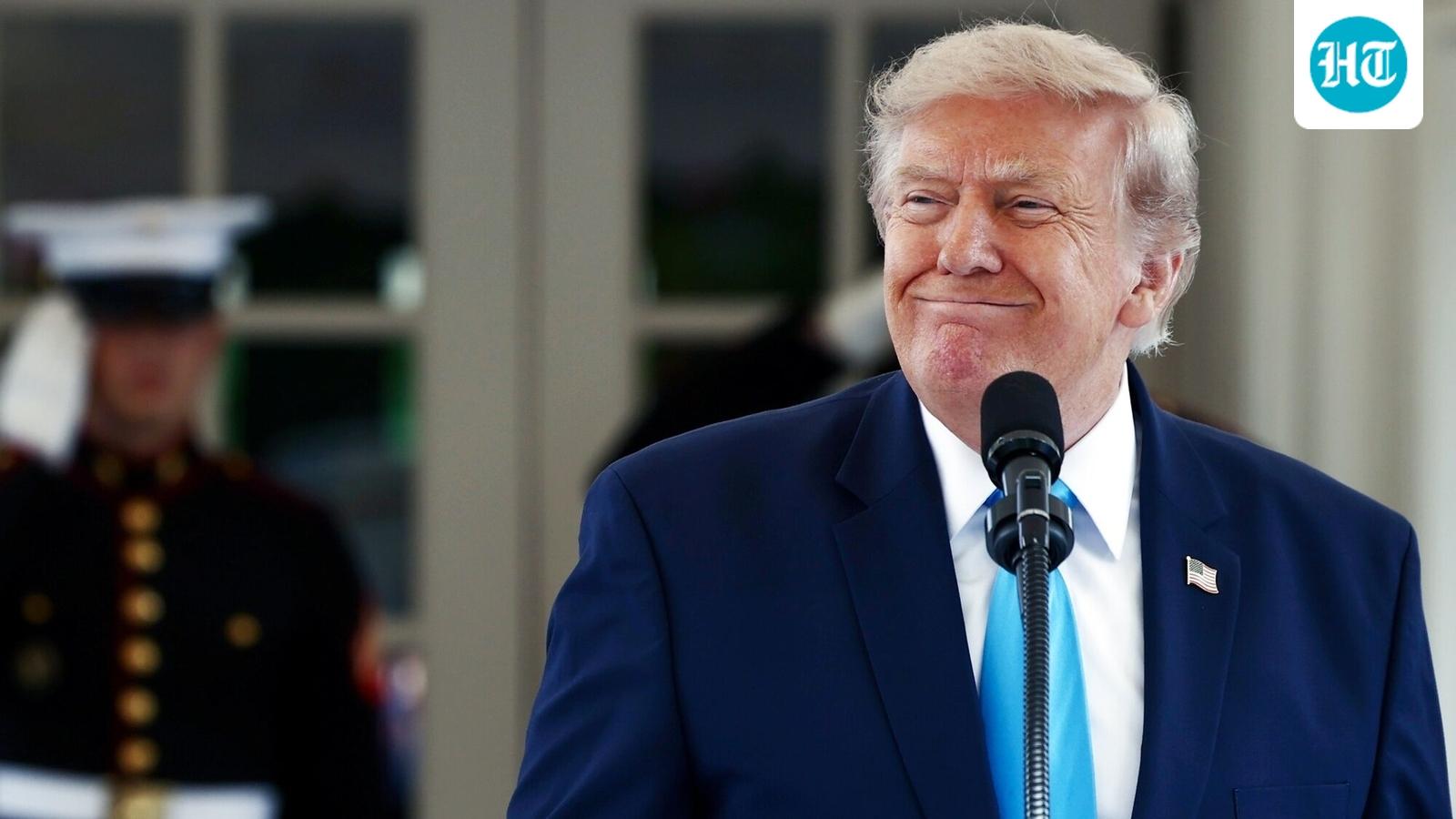
Proposed OPT $100,000 fee
The Trump administration is considering imposing a $100,000 fee on foreign students seeking to work in the United States after graduating from American universities, according to a Wall Street Journal report cited by The Korea Times. The Wall Street Journal said the administration is weighing attaching the fee to an "optional practical training (OPT)" program that allows foreign university graduates to work in the U.S. for one to three years on student visas. The Korea Times reported that there were about 419,000 foreigners working on OPT in 2024, and said the idea follows Trump’s signing of a proclamation in September last year to impose a $100,000 annual fee on H-1B nonimmigrant visa applications.
The Korea Times also said a U.S. appeals court blocked the H-1B fee proclamation last week, upholding a lower court’s decision, while the OPT fee remains under discussion at the Department of Homeland Security. The Independent reported that President Donald Trump and the Department of Homeland Security are considering the high fee on Optional Practical Training visas, and quoted a Department of Homeland Security spokesperson saying, “no policy should be considered final until it’s formally announced.”
Officials, legal backdrop
The Independent said the OPT fee proposal has not been confirmed by the administration and described it as part of an attempt to restrict legal immigration pathways, with the Wall Street Journal reporting the fee would be linked to OPT. The Department of Homeland Security spokesperson told The Independent that the immigration system is being reformed to serve “American citizens, American workers, and American families,” and to preserve “our national identity.” The Independent said the administration had sought to add a $100K fee to H-1B visas for skilled foreign workers, but that a federal judge struck down the proposal last month after ruling the fee was considered a tax.
The Korea Times reported that a U.S. appeals court blocked the H-1B fee proclamation last week, upholding a lower court’s decision, and said it was unclear whether the White House would approve the OPT fee or who would pay it. The Independent added that a White House official familiar with the matter said the administration had “no imminent policy announcements on Optional Practical Training visas.”
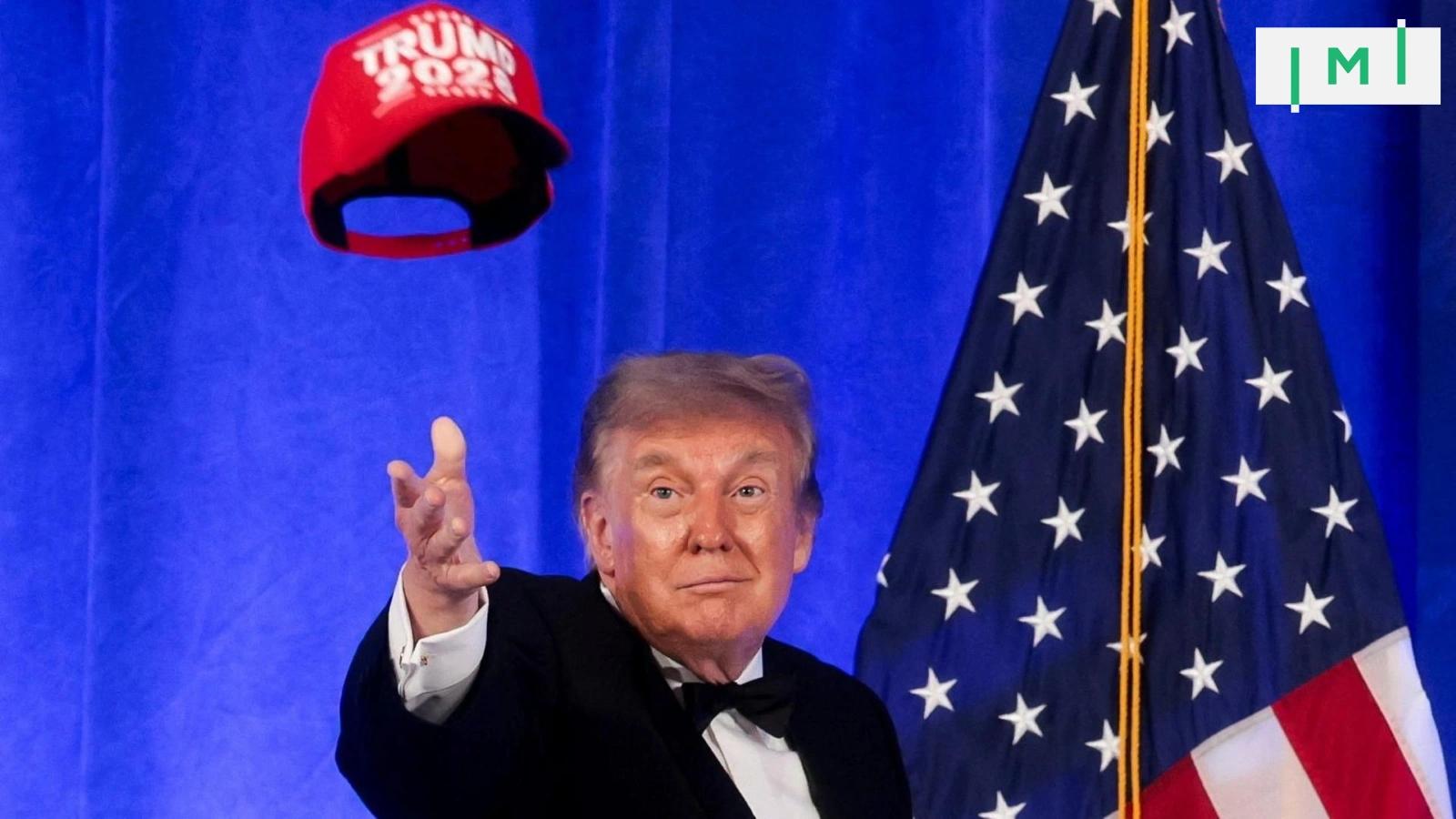
Who could be affected
The Korea Times said the proposed OPT fee, if implemented, could affect U.S. universities keen on attracting foreign students, as well as Silicon Valley and Wall Street firms that hire international college graduates for technical posts. The Independent reported that Optional Practical Training visas allow recent graduates to work in the U.S. for one to three years so long as it is directly tied to their area of study, and said the policy would mirror the $100,000 fee imposed on H-1B visas by the Trump administration last year. The Independent said that in 2024, roughly 418,000 students were authorized to work in the U.S. through an Optional Practical Training visa, and that this was roughly 26 percent of the 1.58 million foreign students on F-1 or M-1 visas.
The Korea Times reported that consideration of the fee follows Trump’s September proclamation on H-1B fees and that the OPT fee is still under discussion at the Department of Homeland Security. The Independent also said the idea could make the U.S. less attractive for international students and could hurt tech companies and universities that rely on foreign students for revenue, while the Department of Homeland Security spokesperson framed the effort as protecting the “integrity of our legal immigration system.”