USA03 November, 20252 min read
Trump Administration Cuts SNAP Food Aid by Half Amid Record US Government Shutdown
This article is an automated aggregation of coverage from news outlets. Our editorials offer in-depth analysis curated by the NewsCord team.
Trump administration will pay 50% of normal SNAP benefits for November using contingency funds. Partial SNAP payments affect approximately 42 million low-income Americans amid ongoing government shutdown.
36 outlets told this the same way.
Outlets did split on Trump Interrupted by Protesters at San Antonio Rally for Ken Paxton →
US SNAP Benefits Cut Amid Shutdown
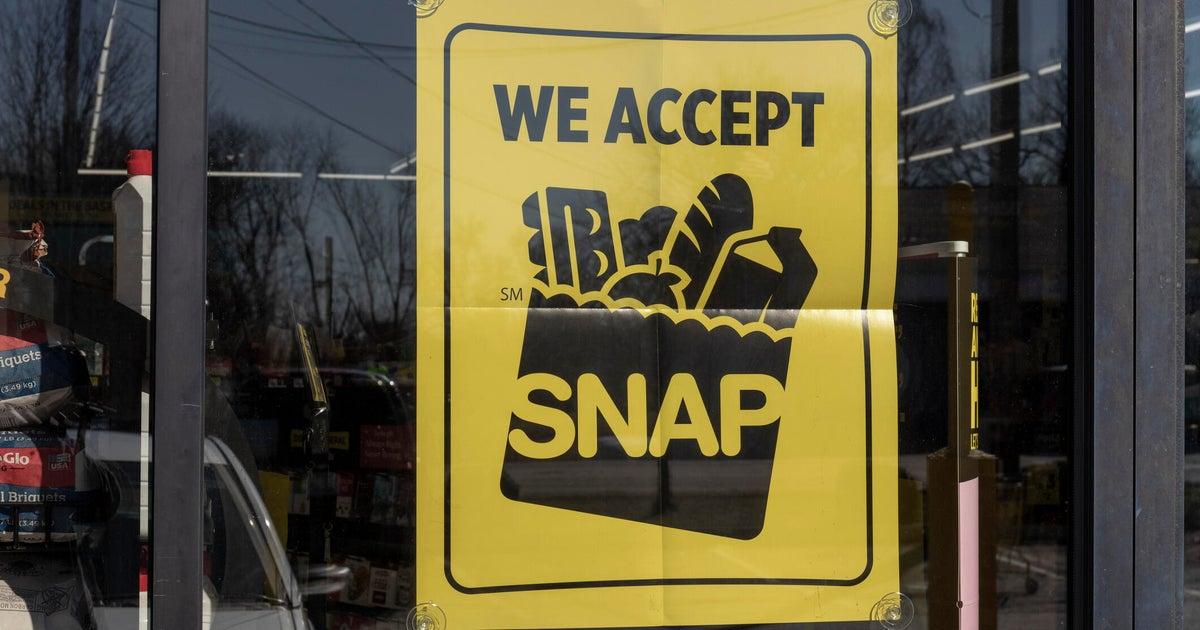
Amid an ongoing US government shutdown nearing record length, the Trump administration said it will issue only half of November’s Supplemental Nutrition Assistance Program (SNAP) benefits after federal judges ordered payments to continue. Nearly 42 million people depend on SNAP, and officials will rely on emergency funds to partially cover the program’s roughly $8–9 billion monthly cost. Multiple outlets report the cut as 50%, with administration statements following court orders in Rhode Island and Massachusetts.
“The Trump administration announced it will provide only half of the usual food stamp (SNAP) benefits for November by using $4.65 billion from the program’s contingency fund.”
Officials had previously warned of a freeze beginning November 1 if the shutdown persisted. Coverage differs on political blame and timing, but converges that only partial aid will flow during a protracted shutdown.

Details on Partial Funding Allocation
How the partial funding works is reported with different figures and rationales. Several outlets say $4.65 billion from the contingency fund will cover roughly half of November benefits, with another $600 million reserved for state administration and certain territorial aid.
Others describe a $5.25 billion contingency pool being fully tapped, while some add that a larger $23 billion account exists but won’t be used. The administration declined to draw from child nutrition funds, citing risks to school meal programs, even as courts pushed for continued SNAP payments.

Impact of Benefit Payment Delays
For recipients, the immediate impact is smaller benefits and long delays. Several reports warn that states may need weeks or months to reprogram systems before reduced payments arrive. Some note this marks the first missed SNAP payments in the program’s history.
“The courts ordered the government to use these funds to provide partial benefits to nearly 42 million Americans dependent on SNAP, rejecting the administration’s claim that it could not legally fund the program during the shutdown.”
Outlets differ on the average benefit amount—some cite about $350 per month per person, others give a range of $190 to $356. They agree the shortfall against a typical $8+ billion monthly spend will strain families and food banks during the shutdown.
Legal Disputes Over SNAP Benefits
The legal and political fight is unfolding in multiple courts and public statements. Judges in Rhode Island and Massachusetts ordered the administration to keep SNAP running. One Rhode Island order set a midweek deadline for at least partial payments.
Coverage varies: some outlets spotlight named judges and deadlines, while others emphasize partisan critiques. A few reports note signals from Treasury about not appealing orders and the possibility of unfreezing funds by Wednesday.

Local Responses to Aid Cutoff
On the ground, states and civil society are trying to fill gaps. Local outlets report states boosting food banks, using state funds to reload cards, and warning that system reprogramming could take weeks or months.
“However, the USDA indicated it could take weeks or months for states to implement system changes to distribute these reduced payments.”
Charities are mobilizing, but faith leaders say they cannot replace federal aid and call the cutoff unjust and unacceptable. Some local reporting even pegs the federal contribution for November at roughly 55%, slightly above the about half figure seen elsewhere, underscoring uneven implementation and communication amid the shutdown.