
Full story
Trump pact reshapes Venezuela
The Trump administration partnered with North American Blue Energy Partners (NABEP), led by Alejandro Betancourt, to secure a 100-year concession for 17 Venezuelan oil fields with about 65 billion barrels of proven reserves.
“cesión de derechos de explotación sobre más de 17 campos petroleros estratégicos”
The deal gives the Pentagon’s Strategic Capital Office a 35% stake in NABEP, while the State Department has the right to acquire 20% of extracted oil at cost and a first option to purchase the remaining 80%.
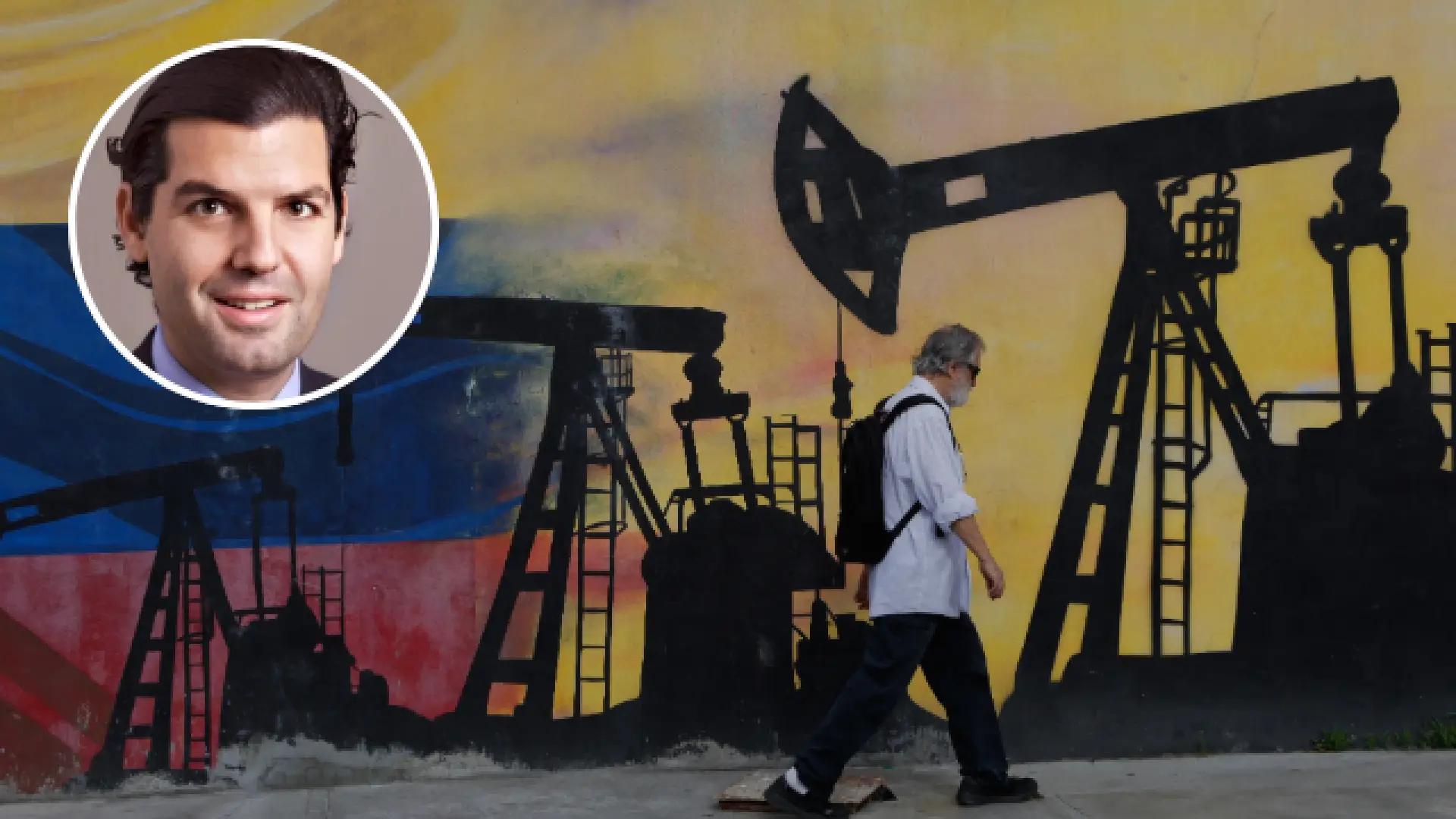
El Español says the agreement also establishes a right of priority purchase over 20% of production at cost, and it frames the outcome as the forced exit of Chinese and Russian operators from Venezuela’s oil sector.
Boursorama, citing Reuters, adds that the agreements signed this week between foreign oil groups and Caracas are expected to multiply Venezuela’s crude production by more than two, with Chris Wright describing the investment impact on oil prices and pointing to refining capacity as the “principal frein” on gasoline and diesel prices.
Officials defend; critics question
Chris Wright told journalists in Caracas that “Les investissements liés à ces accords vont considérablement accroître la production pétrolière,” while he said the “principal frein actuel aux prix de l’essence et du diesel réside dans la capacité de raffinage.”
El Español reports that analysts described the operation as “bastante extraña,” and it quotes them saying it “muestra mucho poderío americano en el acuerdo.”

Bloomberg Línea says a U.S. official defended the partnership with Betancourt by arguing he is “un empresario de probada solvencia capaz de sacar adelante el trabajo,” and it adds that the administration said the arrangement would not delay a “transición democrática.”
El Observador frames the pact around Betancourt’s role, noting that Trump presented him as “the greatest oil deal in history,” while it describes Betancourt’s background of investigations in Switzerland and Spain and quotes Secretary of State Marco Rubio defending the NABEP partnership as “it is a company with a production track record, that has knowledge of the system.”
Production targets, costs, and risk
Boursorama says Venezuela’s oil production had held between 1.1 and 1.2 million barrels per day in recent months, after a peak above 3 million barrels per day in the late 1990s, and it links the slight rise to the January capture of Nicolás Maduro by U.S. special forces.
“elle s'est maintenue entre 1,1 et 1,2 million de barils par jour”
El Comercio de Colorado reports that the White House said the deal “would have no cost” to the United States and that Trump acknowledged Americans would not see immediate changes, saying it “could take some time” for prices to fall.
El Español adds that rebuilding Venezuela’s production capacity would require “superiores a los 100.000 millones de dólares” and “varios años de trabajos intensivos,” while it also notes the agreement’s long duration of up to 100 years and the U.S. right to buy 20% at cost.
Sahi says ONGC received U.S. OFAC clearance in July 2026 to resume full operations in Venezuela and unlock dividends from long-held Venezuelan assets, and it ties the clearance to a ₹1,00,000 crore deepwater exploration plan to drill 87 wells over five years through FY31.