Businessupdated 23m ago3 min read
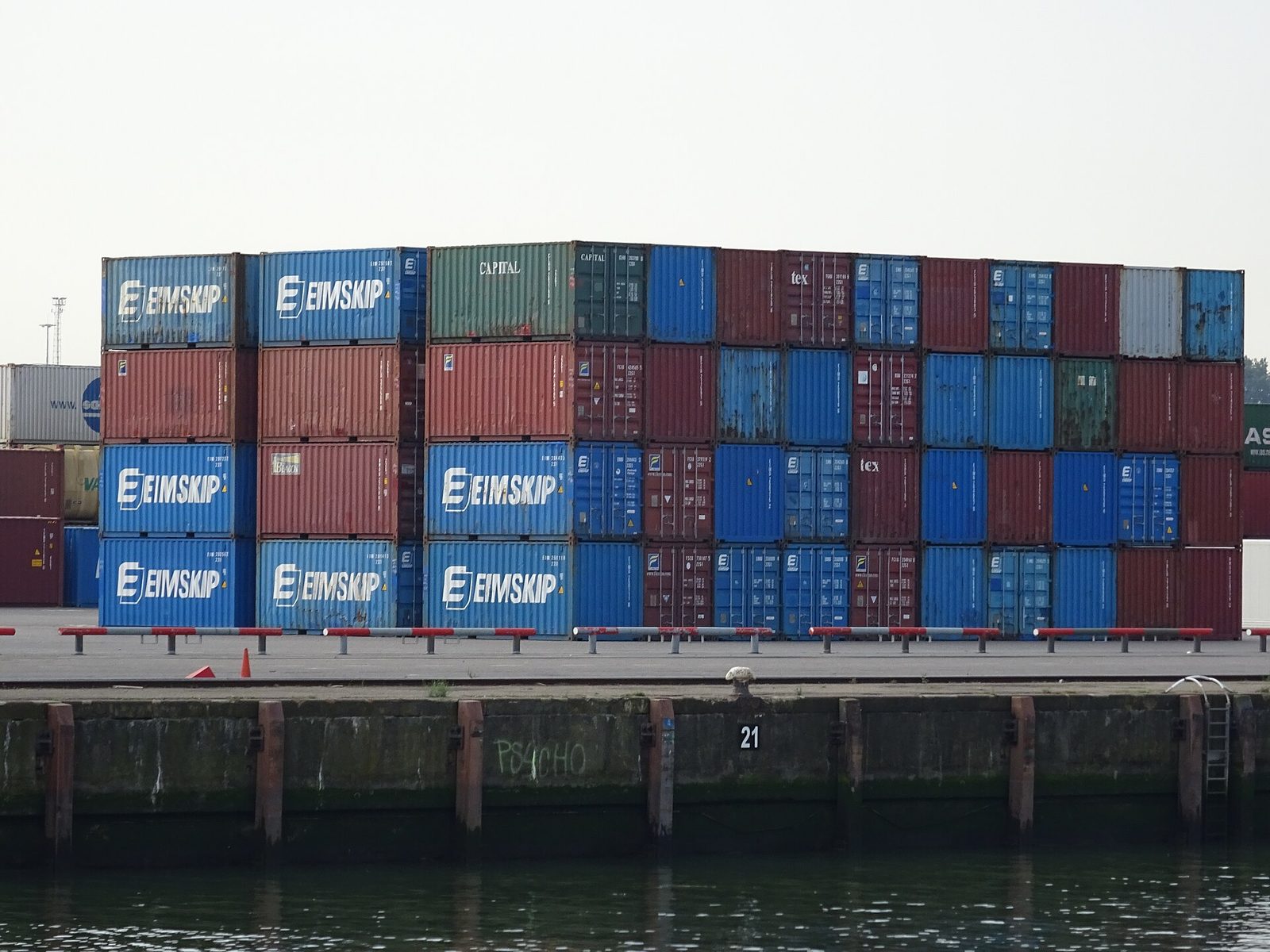
Archive photo · 26 August 2017Trump Administration Proposes New Tariffs on China, EU, India and 11 Other Partners
10 Western Mainstream2 Asian2 West Asian1 OtherPhoto: AgainErick, CC BY-SA 4.0 · Cropped for layout
This article is an automated aggregation of coverage from news outlets. Our editorials offer in-depth analysis curated by the NewsCord team.
US proposes new tariffs on 14 major trading partners including China and the EU. Tariff rates range from 20% to 40%, with China facing the highest duties.
Save coverage image
15 outlets in this story. Read their headlines below.
Tariffs on 14 partners
The Trump administration proposed new trade tariffs on 14 major trading partners, including China, the European Union and India, as it sought to counter what it calls “structural excess capacity” after a White House investigation that began in March. The Office of the US Trade Representative (USTR) said the proposed duties would be issued under Section 301 of the Trade Act of 1974, and the USTR proposed that China face the highest capped rate of 20% under the main probe, with the rate rising to 40% if negotiations fail.
The USTR also proposed a 10% tariff on imports of Brazil's finished Embraer commercial aircraft and higher duties on Brazilian sugar that exceed quotas, as Reuters reported the products were previously exempted from Trump's 25% tariffs on Brazilian goods imposed in July. The USTR said the proposed tariffs would not be stacked on top of the 10% and 12.5% tariffs introduced in July on a wider group of 60 trading partners over allegations of lax enforcement of anti-forced-labor laws, and Reuters said the new duties would not take effect until after a January 25 public hearing.
Rates, caps, and exemptions
The BBC said China was facing the highest rate of up to 40%, followed by Vietnam at up to 35%, with other jurisdictions facing either 20% or 25%, and it said the new duties were not expected to take effect until next year. The Guardian said the administration was proposing an additional 20% tax on Chinese imports that would bring the total tax to about 40%, and it said the White House did not give a timeline but said they could go into effect in January at the earliest.
Reuters said the USTR proposed capped tariff rates of 18% for imported goods from Cambodia, Indonesia, Malaysia, Thailand and Bangladesh, and it said Japan, South Korea, Taiwan, the EU and Switzerland would face 15% including existing “Most Favored Nation” duties. The USTR said it would hold hearings on the new tariffs and its investigation into the unfair trade practices on 25 January, while the BBC said the tariffs were taxes levied on imported goods and calculated as a percentage of a good's value.
Reactions and what next
China's Foreign Ministry spokesperson Guo Jiakun rejected the administration's justification, saying, “The so-called 'overcapacity' is a false issue, and China opposes using it as an excuse for political manipulation,” and Reuters said Beijing stopped short of threatening retaliation.
The European Commission rejected the new US tariffs, saying it would investigate the US's reasons for bringing them in, and it pointed out that tariffs are limited to the 15% previously agreed, the BBC reported.
U.S. Trade Representative Jamieson Greer said the latest tariffs issued would “level the playing field for American workers and chart a new, more sustainable course for the world economy,” and Reuters said Greer told CNBC that the proposed caps were consistent with trade agreements reached over the past year.
The Guardian said a lawsuit fighting the July forced-labor tariffs was awaiting a decision in the court of international trade, and Reuters said the proposed tariffs would be subject to a public notice and comment period with a hearing scheduled before they go into effect.