Full story
Forced Labor Tariff Plan
The Trump administration proposed new tariffs on imports from 60 trading partners after an investigation into goods allegedly made with forced labor, as the White House moved to rebuild a tariff wall after the U.S. Supreme Court struck down sweeping global tariffs in February.
“Trump administration seeks new path forward with tariffs after first attempt hit legal roadblocks Trump administration seeks new path forward with tariffs after first attempt hit legal roadblocks WASHINGTON (AP) — President Donald Trump is in a hurry to rebuild the tariff wall the Supreme Court tore down less than four months ago”
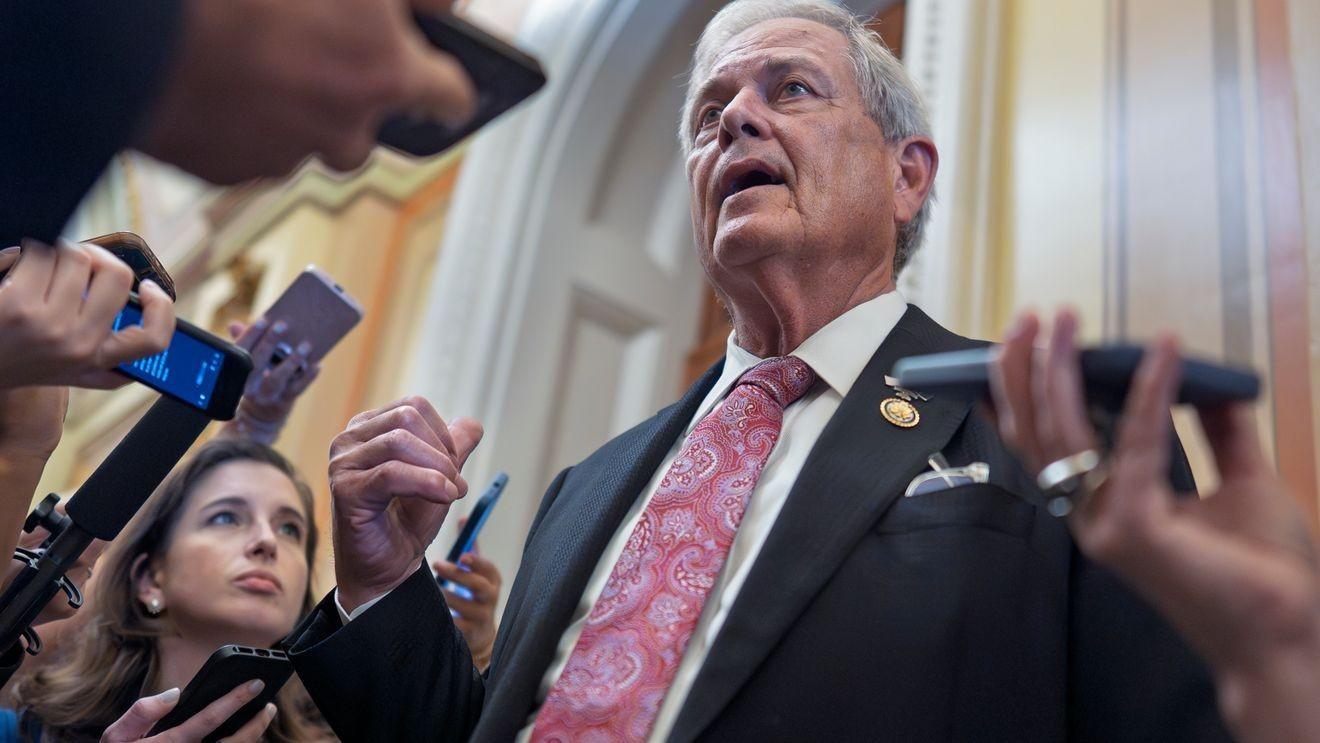
U.S. Trade Representative Jamieson Greer said the policy targets partners whose failure to address the importation of goods made with forced labour is “unacceptable,” and he framed the move as preventing an “unlevel playing field” for American workers.
Under the proposal released in Washington late Tuesday, 16 economies including Canada, Mexico, the European Union, Taiwan and the United Kingdom would face 10% levies, while another 44 trading partners including China, Japan, India, South Korea and Switzerland would face 12.5% import taxes.
The tariffs would not take effect immediately and would be subject to public comment and review, with public hearings due to begin on July 7.
The plan also came as a separate set of temporary 10% tariffs imposed after the Supreme Court’s February decision was set to expire on July 24, according to the AP reporting.
Pushback and Competing Claims
The proposal drew immediate pushback from trading partners, with a Chinese government spokesperson denying the forced labor allegation and saying, “There is no such thing as forced labor in China, and we oppose using it as an excuse to engage in political manipulation,” in Beijing.
In the European Union, Bernd Lange, chair of the European Parliament’s trade committee, posted that “Accusing EU of not doing enough against forced labour is absurd,” and he argued the EU had adopted “the world’s most stringent rules against products made with forced labour.”
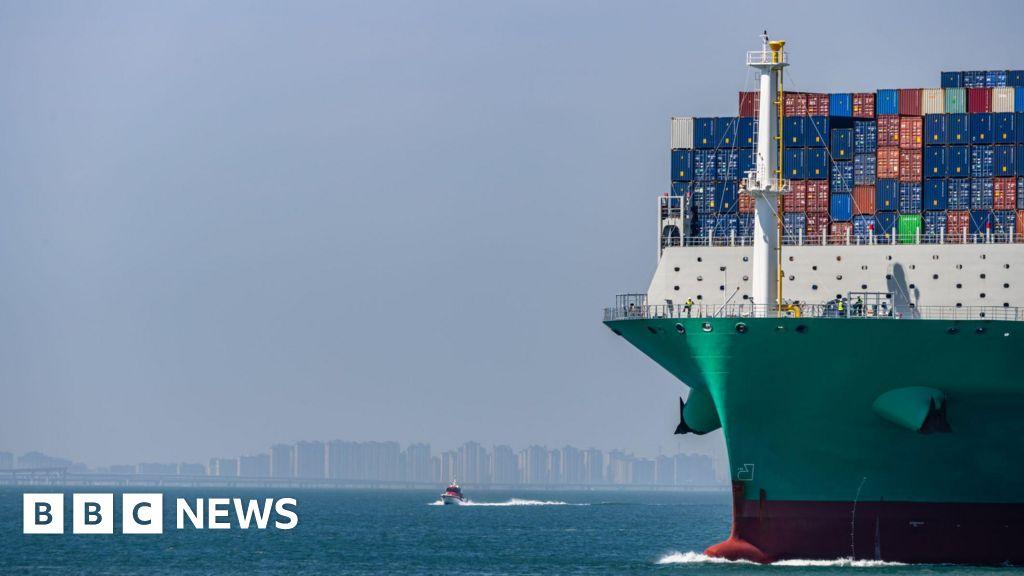
The BBC reported that the UK said it is tackling forced labour in the UK and in global supply chains, and it quoted a UK government spokesperson saying, “We continue to engage regularly with the US administration as part of our negotiations, and have made clear the actions we’re taking.”
The BBC also reported that Amnesty International’s business and human rights director Peter Frankental said “trade measures can play a role in addressing forced labour risks, but they are not a substitute for effective enforcement, corporate accountability and mandatory human rights due diligence.”
The BBC further said the US tariffs were not yet enforced and that the report into the investigations concluded that 54 countries had failed to impose a legal prohibition and effectively enforce it, while six others including Canada, the EU, Ecuador, Indonesia, Mexico and Pakistan had failed to effectively enforce a forced labour import prohibition.
What’s at Stake Next
The proposed tariffs are positioned as a replacement for revenue lost after the Supreme Court struck down the administration’s previous approach, and the AP said the tariffs are paid by U.S. importers who usually try to pass along those higher costs to customers.
“What to know about proposed U”
The AP reported that the administration said it would limit the impact by exempting a long list of products including aircraft parts, food products “(from coffee to beef)” and rare earth minerals crucial to smartphone and car production.
The BBC said the trade department would impose 10% tariffs on imports from Canada, the EU, Britain, Indonesia, Mexico, Pakistan, Argentina, Bangladesh, Cambodia, El Salvador, Guatemala, Indonesia, Malaysia and Taiwan, while the remaining 45 countries including China and India would face 12.5% duties.
In Canada, Prime Minister Mark Carney said the new tariffs were “not a surprise” and would not impact the vast majority of Canadian exports to the US, and the CBC reported that Greer proposed a 10 per cent tariff on exports from Canada that would apply only on goods that don’t comply with the rules of origin in the Canada-U.S.-Mexico Agreement (CUSMA).
The CBC also reported that the U.S. launched investigations in March into whether 59 countries plus the European Union are effectively banning the importation of goods produced by forced labour, and it said the proposed tariffs would begin a process of public comment and review starting with hearings in July.