Trump Administration Pushes Marco Rubio’s Maritime Freedom Construct to Reopen Strait of Hormuz
Key Takeaways
- Rubio-approved Maritime Freedom Construct coordinates international coalition to reopen Strait of Hormuz.
- Strait remains closed amid war, risking global oil supply and triggering higher prices.
- US seeks allies to join effort, with Australia in talks.
Hormuz blockade and coalition push
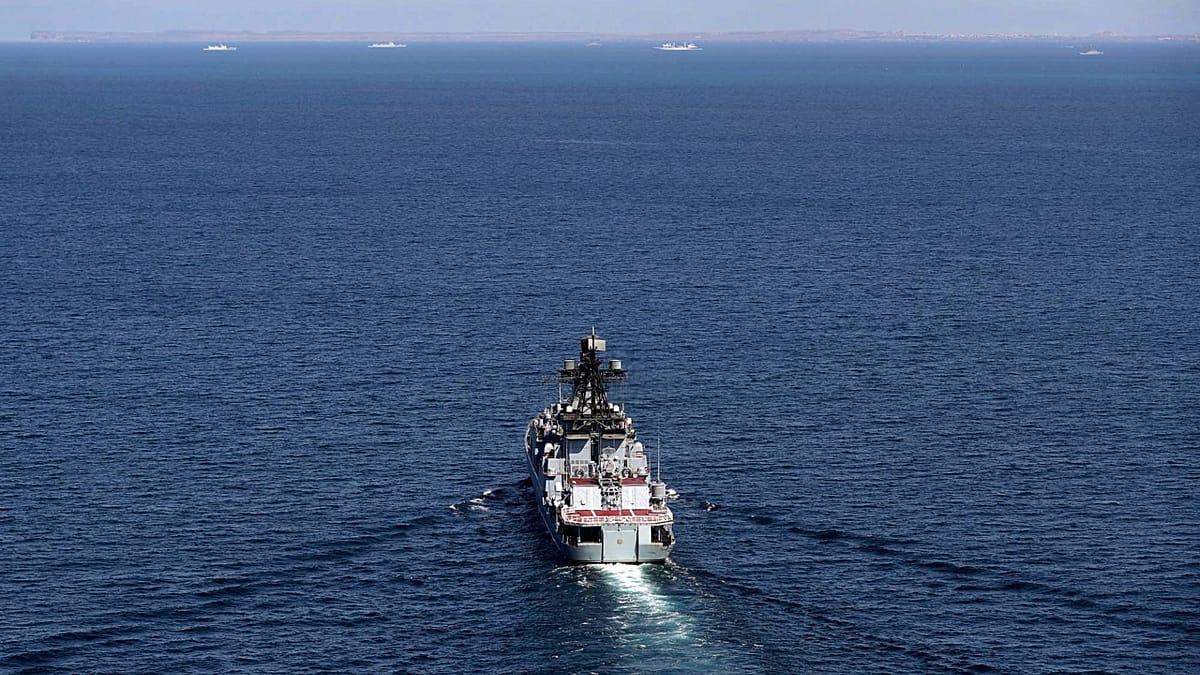
The Trump administration is seeking an international coalition to reopen the Strait of Hormuz as the waterway remains largely cut off amid stalled talks with Iran, with multiple outlets tying the effort to rising energy prices and fears of longer-term disruptions.
Reuters reported that a State Department cable seen by Reuters says the U.S. is pushing other countries to form an international coalition to restore freedom of navigation in the Strait of Hormuz, while “oil prices surged to their highest in more than four years.”
The same Reuters-based reporting described the vital sea channel as “closed, choking off 20% of the world’s supplies of oil and gas,” and said the closure has sent global energy prices surging.
Euronews said the U.S. is set to launch an international coalition to restart shipping and quoted a State Department official telling AFP that the “Maritime Freedom Construct” (MFC) will “take steps to ensure safe passage, including providing real-time information, safety guidance, and coordination to ensure vessels can transit these waters securely.”
The Jerusalem Post reported that U.S. Secretary of State Marco Rubio approved the creation of the MFC, describing it as a joint initiative by the US State Department and the Pentagon.
Reuters also reported that Lithuania’s President Gitanas Nauseda said he was supportive of joining the U.S. freedom of navigation mission and intended to present the proposal to the State Defence Council, adding “We would need a mandate from parliament.”
Iran’s response and uranium dispute
Iran’s position is framed by the sources as both a rejection of U.S. attempts to restrict navigation and a readiness to retaliate if Washington renews attacks.
HuffPost, citing Reuters, reported that Iran said on Thursday it would respond with “long and painful strikes” on U.S. positions if Washington renewed attacks and restated its claim to the Strait of Hormuz, and it linked the warning to U.S. plans for a coalition.

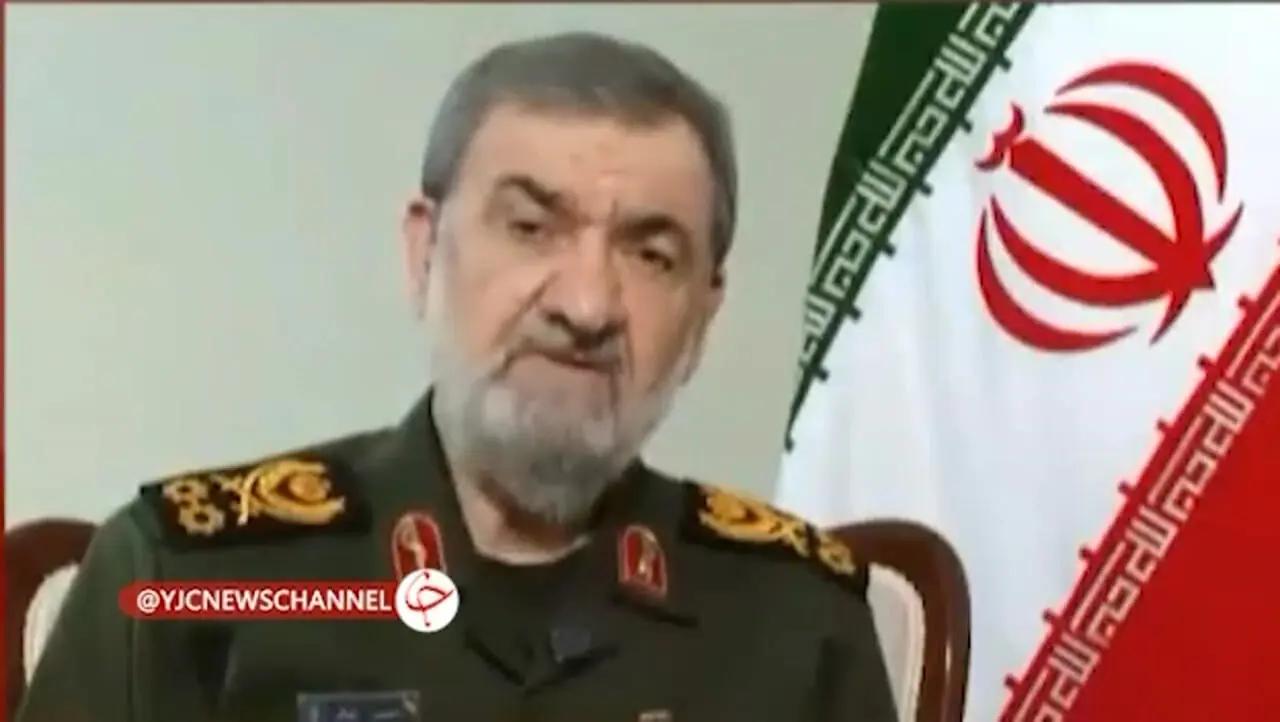
The Express Tribune quoted Majid Mousavi, commander of the IRGC Aerospace Force, saying Tehran would respond to any such operations “even if short and rapid” with “prolonged and painful blows,” adding “We have seen the fate of your bases in the region; we will also see your vessels.”
The Express Tribune also said an Iranian lawmaker, Alireza Salimi, warned Tehran could resort to “reciprocal action” if efforts to secure war compensation through legal and financial channels failed, and he described a three-step plan that began with legal action through international institutions to hold the “aggressor” accountable.
In parallel, The American Bazaar’s Reuters-based reporting said Iran wants U.S. acknowledgment of its right to enrich uranium for what it says are peaceful, civilian purposes, and it added that Iran has a stockpile of about 440 kg (970 lbs) of uranium enriched to 60%.
The Express Tribune further reported that Iranian President Masoud Pezeshkian said any attempt to impose a maritime blockade or restrictions in the Persian Gulf would violate international law, stating “Such actions are against the interests of regional nations and global peace and stability, and are doomed to fail.”
European and British-led talks
While the U.S. pushes the Maritime Freedom Construct, other sources describe parallel diplomatic efforts led by Britain and France, with the United States not participating in at least one meeting.
Arab 48 reported that “International talks hosted by Britain” are set to include “around 35 countries” to discuss ways to reopen navigation in the Strait of Hormuz, and it said the meeting is expected to be chaired by British Foreign Secretary إيفيت كوبر and held via video conference “around noon London time.”
The same Arab 48 report said the United States will not participate in this meeting, even as it described European countries shifting stance after concerns about higher energy prices on the global economy.
It said the meeting is part of preparations for a post-ceasefire phase and that the first official gathering of the group would be followed by more detailed meetings with the participation of military planners.
Al Jazeera Net described intensifying international military talks led by Britain and France to form a broad alliance, while quoting Brig. Gen. Elias Hanna saying forming a force of around 30 countries would take a long time and asking whether it would be peaceful or military in nature.
Euronews reported that the UK and France have led talks on a separate maritime effort and recently held a meeting with “over 50 countries” on the issue.
Allies weigh participation and limits
The sources show allies considering how to respond to the U.S. proposal, with some emphasizing that decisions are not final and others describing constraints on participation.
In Australia, the Australian Broadcasting Corporation reported that Foreign Minister Penny Wong confirmed Australia had been briefed by the U.S. about its latest proposal and was “engaging on options,” while Prime Minister Anthony Albanese said “no determination” had been made about the possibility of providing military support.

The ABC said Albanese told reporters “We'll have those discussions privately, we'll engage in anything that can assist,” and it quoted him saying “We want to see the Strait of Hormuz open, we want to see international trade resume, because this is having a devastating effect on the global economy, it's impacting inflation here as it is around the world.”
The ABC also said the Maritime Freedom Construct’s activities would include “providing real-time information, safety guidance and coordination” to secure commercial shipping in the strait, and it described a “diplomatic operations hub” coordinating diplomatic actions including “economic measures designed to impose costs on Iran for disrupting maritime security.”
In Lithuania, Reuters-based reporting in U.S. News & World Report said President Gitanas Nauseda told a news conference in Vilnius that he had received the U.S. proposal and intended to present it to the State Defence Council, adding “We would need a mandate from parliament.”
The Jerusalem Post reported that the cable said U.S. embassies should deliver the demarche orally to partner nations by May 1, but not to Russia, China, Belarus, Cuba, and “other US adversaries,” and it quoted the cable saying “We welcome all levels of engagement and do not expect your country to shift naval assets and resources away from existing regional maritime constructs and organizations.”
Stakes, prices, and UN warning
The stakes described by the sources center on the Strait’s role in global energy flows, the risk of economic fallout, and the possibility that the confrontation extends beyond navigation.
Euronews said normally one-fifth of the world’s oil and liquefied natural gas transits the waterway and that Iran effectively closed it when the war broke out on 28 February, adding that the closure has sent energy prices skyrocketing around the world.

HuffPost, citing Reuters, reported that the vital sea channel remains closed “choking off 20% of the world’s oil and gas supplies,” and it said the closure has sent global energy prices surging while heightening concerns about the risks of an economic downturn.
It also said a ceasefire has been in place since April 8 but Iran still blocks the strait in response to a U.S. naval blockade of Iran’s oil exports, described as Tehran’s economic lifeline.
The same Reuters-based reporting said benchmark Brent crude for June delivery reached as much as $126 (€107) a barrel in trading on Thursday, the highest intraday level since 2022 when Russia launched its full-scale invasion of Ukraine.
HuffPost added that U.N. Secretary-General Antonio Guterres warned that if the disruption caused by the closure dragged on through mid-year, global growth would fall, inflation would rise and tens of millions more people would be pushed into poverty and extreme hunger, quoting him: “The longer this vital artery is choked, the harder it will be to reverse the damage.”
More on Iran
Iran War Halts Strait of Hormuz Shipping, Yara Chief Warns of Global Fertiliser Squeeze
15 sources compared

Donald Trump Threatens Iran Infrastructure as Hamadan Neighborhood Attacked and MQ-9 Destroyed
12 sources compared

Saman Rezaei Says US And Israel Attacks Killed At Least 44 Iranian Seafarers
13 sources compared
Iran Officials Reject U.S. Claims, Say Mojtaba Khamenei Is Alive in Perfect Health
12 sources compared