Full story
Sanctions Escalate Against ICC
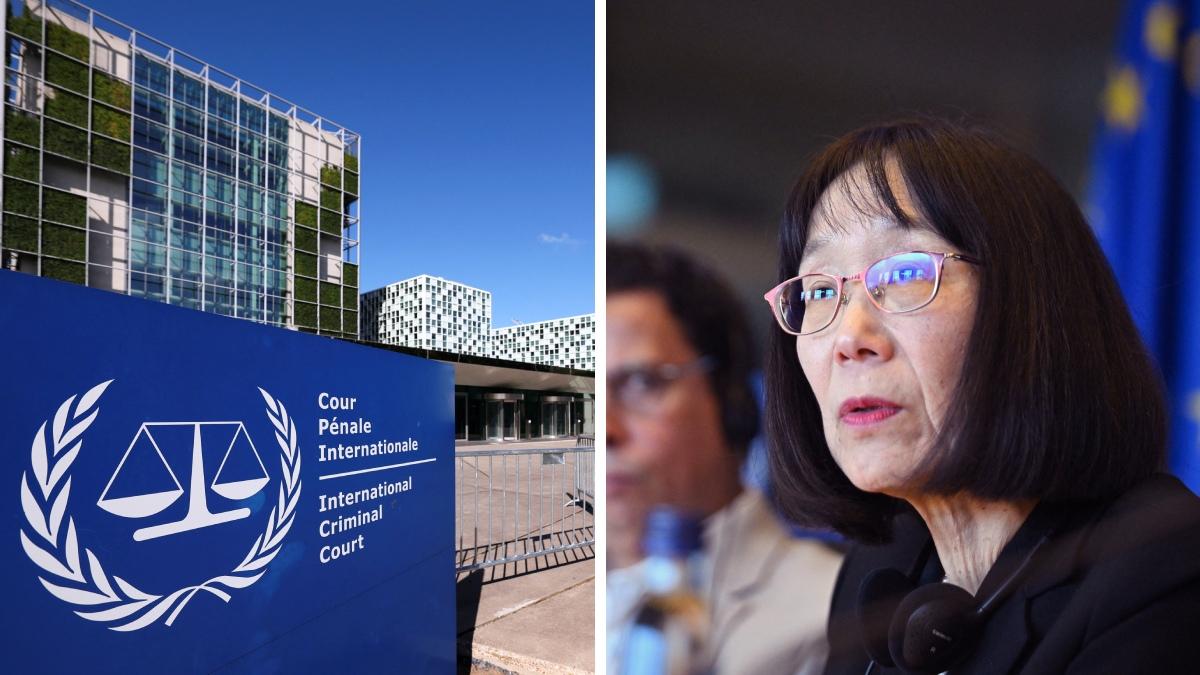
The Trump administration imposed sanctions on Tuesday on International Criminal Court (ICC) President Tomoko Akane and senior trial lawyer Abdoulaye Seye, escalating Washington’s confrontation with the Hague-based tribunal.
“investigate, arrest, detain, or prosecute officials whose government has not consented to ICC jurisdiction”
US Secretary of State Marco Rubio said the sanctions targeted Akane and Seye for engaging in ICC efforts to “investigate, arrest, detain, or prosecute officials whose government has not consented to ICC jurisdiction”.
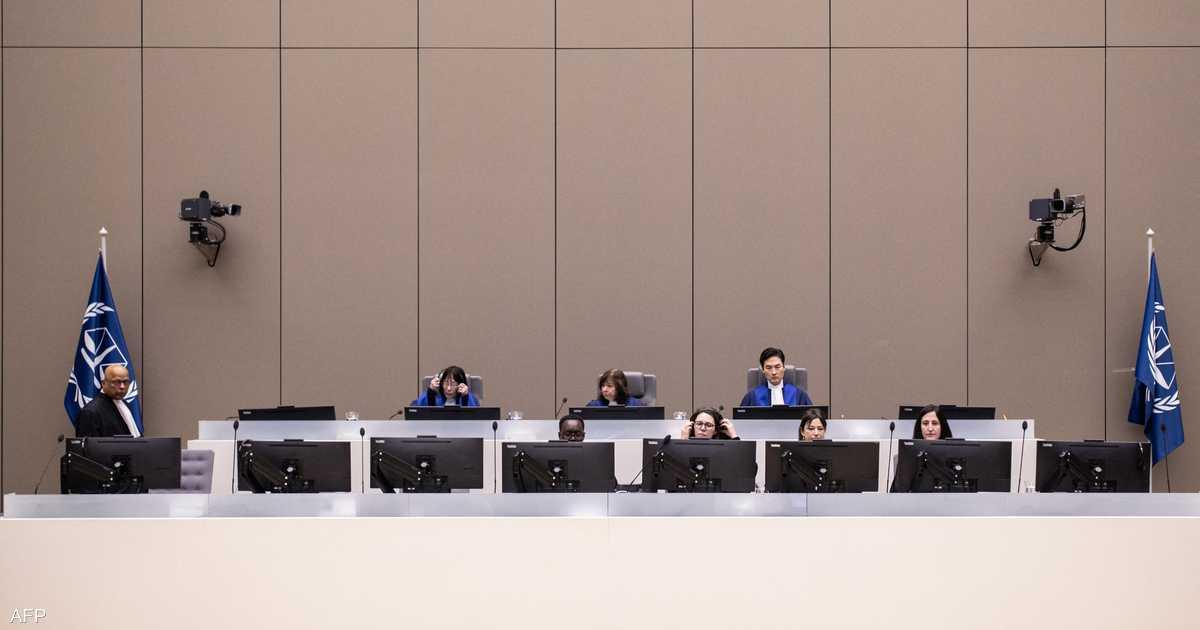
Reuters reported the sanctions were imposed under a Trump executive order and that the US is not a member of the court, while the ICC condemned the move as undermining the rule of law.
The ICC said it stands behind its staff and warned that “When judicial actors are threatened for applying the law, it is the international legal order itself that is placed at risk,” as the US Treasury Department issued a general license authorizing wind-down of transactions through September 17.
Rubio Frames Court as Threat
Rubio framed the sanctions as part of a campaign to “dismantle” the court, writing that “The Trump Administration is sanctioning ICC President Tomoko Akane and Senior Trial Lawyer Abdoulaye Seye in our unwavering mission to protect Americans from this sham of a court,” on social media.
The BBC reported Rubio accused the ICC of seeking to “prosecute officials whose government has not consented to ICC jurisdiction,” and said the move was the latest escalation in the Trump administration’s campaign to dismantle the court.

The ICC responded that measures targeting judges, prosecutors and staff “undermine the rule of law,” while the BBC noted the US has already announced sanctions on at least 11 ICC officials, including nine judges and the chief prosecutor.
The Hill reported that the sanctions generally block American citizens from transacting with Akane and Seye and prevent them from accessing the US financial system, and it quoted the ICC saying “measures targeting judges, prosecutors and staff who work towards the fulfilment of the mandate that was conferred to the ICC by States undermine the rule of law.”
Legal Fight and Wider Fallout
The sanctions landed as multiple lawsuits challenged the Trump administration’s ICC campaign, with the BBC describing that four leading US human rights groups sued Trump in New York over sanctions that they said block victims of war crimes from pursuing justice.
“arbitrary and capricious”
Al Jazeera reported that in June, three ICC judges sued the Trump administration in a New York court, calling the sanctions an “arbitrary and capricious” means of curtailing the court’s judicial independence.
In parallel, the BBC said the US has argued the ICC overstepped its authority by opening investigations into actions committed by the US and its close ally, Israel, while neither country is a member of the court.
Reuters added that the sanctions freeze any assets the individuals may have in the US and essentially cut them off from the US financial system, and it noted that the US Treasury Department issued a general license authorizing wind-down of transactions involving Akane and Seye through September 17.


