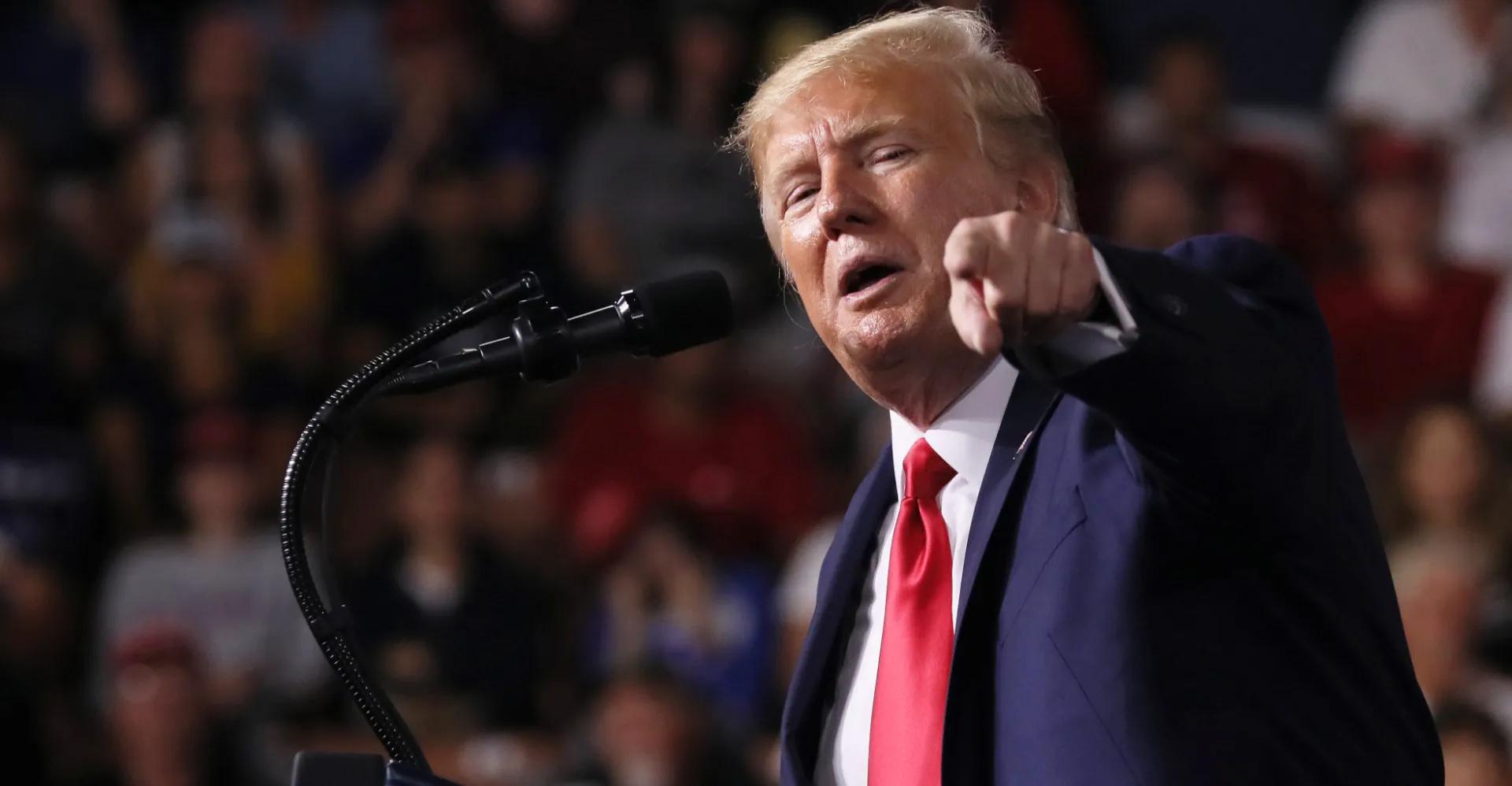
Trump Administration Skeptical of Iran Proposal to End War, Reopen Strait of Hormuz
Key Takeaways
- Iran proposed ending the war and reopening Hormuz if the blockade is lifted.
- The White House signaled skepticism and did not commit to the Iranian proposal.
- The proposal would postpone negotiations on Iran's nuclear program to a later date.
Hormuz Proposal, Nuclear Red Lines
A new Iranian proposal to end the war and reopen the Strait of Hormuz without resolving the dispute over Iran’s nuclear program has met immediate skepticism from the Trump administration, with U.S. officials emphasizing that any agreement must “definitively prevent” Iran from obtaining a nuclear weapon.
NewsNation reported that the Trump administration seemed unlikely to accept Iran’s offer to end the war and reopen the Strait of Hormuz if the U.S. lifts its blockade, and said the proposal would postpone discussions on Iran’s nuclear program, which U.S. Secretary of State Marco Rubio appeared to rule out in a Fox News interview Monday.

NBC News similarly described the U.S. response as showing “little immediate enthusiasm” for Iran’s latest offer, with Rubio saying in a Fox News interview that “the nuclear question is the reason why we’re in this in the first place.”
In a White House briefing, press secretary Karoline Leavitt confirmed that President Donald Trump and his national security team discussed the proposal, while also reiterating that the president’s “red lines with respect to Iran have been made very, very clear.”
Rubio told Fox News that any agreement must ensure it “definitively prevents them from sprinting toward a nuclear weapon at any point,” and he also argued that what Iran might mean by “opening the straits” would not qualify as true opening if it involves permission, fees, or threats.
The proposal was described as being delivered to the U.S. by Pakistan, and it emerged as Iran Foreign Minister Abbas Araghchi visited Russia, according to NewsNation.
The same reporting also tied the diplomatic standoff to the ongoing conflict’s toll, with NewsNation stating that “at least 3,375 people have been killed in Iran” and “at least 2,521 people in Lebanon.”
Ceasefire, Blockade, and Escalation
The diplomatic push unfolded against a backdrop of a U.S.-Iran ceasefire and an intensifying struggle over maritime access, with the Strait of Hormuz described as the central battleground and the U.S. blockade as a key instrument.
CNBC reported that a U.S.-Iran ceasefire remains in effect after Trump unilaterally extended it last week, but said both sides continued to “jockey for advantage,” with the Strait of Hormuz emerging as the main battleground.

CNBC also stated that the strait “remains Iran's main source of leverage,” and that Tehran effectively closed the passage through force, with “just a small fraction of prewar ship traffic making it through.”
In parallel, the U.S. responded with a naval blockade of Iranian ports, and CNBC said “At least 38 ships have been stopped or turned around so far, U.S. Central Command said Sunday night.”
NBC News described the U.S. military posture in operational detail, saying the U.S. military is using “more than 100 fighter and surveillance aircraft, two carrier strike groups and more than a dozen ships” to enforce the blockade of Iranian ports and coastal areas.
NBC News added that the U.S. has been interdicting ships after they go through the Strait of Hormuz by stopping and redirecting them in the Gulf of Oman, and said the U.S. military has stopped and redirected “at least 39 ships, according to U.S. Central Command.”
The New Yorker quoted Ali Vaez of the International Crisis Group describing the ceasefire as “inherently unstable,” and said “the double blockade actually creates a pretty tenuous situation” where “every interdiction, every warning shot, every seizure of vessels, could become a trigger for a wider relapse into conflict.”
Negotiations, Mediators, and Splits
Multiple reports described the negotiations as moving through intermediaries while the U.S. and Iran debated what sequencing would look like for nuclear talks and reopening the Strait of Hormuz.
NewsNation said the offer emerged Monday as Iran Foreign Minister Abbas Araghchi visited Russia, and said it was delivered to the U.S. by Pakistan, with the White House saying Trump’s national security team discussed it and Trump would address it later.
JNS.org reported that under the Islamic Republic’s latest proposal, the regime would reopen the Strait of Hormuz in exchange for a long-term ceasefire or permanent end to the war, and that nuclear negotiations would only start at a later stage after the U.S. military lifts its naval blockade of Iranian ports.
Fox News said an official told Reuters that Trump was unhappy with the proposal because it did not address Iran’s nuclear program, quoting: “He doesn't love the proposal,” the U.S. official said.
ynetnews cited CNN and the Wall Street Journal to describe mediator pressure and skepticism, including that “the coming days are especially critical” and that Trump and his advisers were skeptical over uranium enrichment and nuclear weapon commitments.
The New Yorker added a different lens on the negotiation dynamics, quoting Ali Vaez saying both sides are “hoping that the economic pressure will force the other side to blink first,” and that “neither side is likely to fold on the economic pressure anytime soon.”
In the Arabic reporting from البيان, CNN was quoted describing a split inside Iran’s negotiating posture, including that “The Iranians were not happy with the president turning to social media to negotiate,” and that “the Iranians are particularly concerned about appearing weak.”
Public Posturing and Competing Narratives
The reporting also highlighted competing narratives about who is driving the negotiation process and how much leverage each side believes it has, with public statements and media engagement becoming part of the contest.
Mondoweiss described President Donald Trump’s claims that Iran’s military has been defeated and that Iran has been weakened by U.S./Israeli bombings, and it quoted a German Chancellor Friedrich Merz observation that “An entire nation is being humiliated by the Iranian leadership,” while also saying Merz referred to “these so-called Revolutionary Guards.”

Mondoweiss also said Trump posted on Truth Social that Iran is losing “500 million dollars a day,” with “military and police are complaining that they are not getting paid,” and it argued that the U.S. blockade has “many holes,” including that the U.S. has intercepted ships and “They fired on this ship last weekend, but Iran is continuing to have quite a significant number of tankers that are going past this blockade.”
Fox News and CNBC both described Trump’s skepticism and his red-line messaging, with CNBC quoting Rubio’s framing that “What they mean by opening the straits is, 'Yes, the straits are open as long as you coordinate with Iran, get our permission, or we'll blow you up and you pay us,'” and Rubio adding that “That's not opening the straits.”
In the same set of reporting, CNBC said Trump canceled plans for Jared Kushner and Steve Witkoff to meet Iranian counterparts in Pakistan, writing “Too much time wasted on traveling, too much work!” and asserting the U.S. still has “all the cards.”
The New Yorker quoted Ali Vaez saying the ceasefire is “inherently unstable” and that both sides are testing each other’s limits, while also describing Iran’s economic cushion as “two to three months” to withstand the blockade.
In the Arabic reporting from البيان, CNN was cited saying Trump attempted to negotiate through the press, posting on social media and speaking to journalists by phone, and it quoted CNN’s line that Trump portrayed Iran as having agreed to terms they had not yet agreed to.
Stakes: Oil, Humanitarian Fallout, and Deterrence
The stakes of the Hormuz dispute and the war were described not only in terms of diplomacy but also in terms of global economic disruption and humanitarian consequences, with multiple sources linking the conflict to oil and fertilizer prices and to conditions in Gaza.
NewsNation reported that United Nations General Assembly President Annalena Baerbock said urgent efforts to secure a ceasefire in the Iran war are critical, warning that the conflict is disrupting global supplies and deepening regional crises, with attacks and blockades in the Strait of Hormuz increasing oil and fertilizer prices worldwide.

NewsNation also said Baerbock warned that the escalation is diverting attention from humanitarian crises in Gaza, quoting: “It overshadows the devastating situation for the people in Gaza. The humanitarian situation in Gaza is still heartbreaking.”
In the same NewsNation report, Doctors Without Borders accused Israel of “systemically depriving” people in Gaza of water in what it calls a “campaign of collective punishment,” and it quoted MSF emergency manager Claire San Filippo saying: “Israeli authorities know that without water life ends, yet they have deliberately and systematically obliterated water infrastructure in Gaza – while consistently blocking water-related supplies from entering,” while also stating that Israel has destroyed or damaged about 90% of Gaza’s water and sanitation infrastructure.
NBC News tied the negotiation atmosphere to market signals, saying energy prices soared again on the negative signals, with national gas price averages hitting a new high amid the war of $4.18 early Tuesday, up from $4.11 a day earlier, and Brent crude reaching a three-week high above $111 a barrel.
The same NBC News report described the Iranian proposal as focusing on reopening Hormuz and ending the war while tabling nuclear talks until a later date, and it said Rubio emphasized that “any agreement would have to” prevent sprinting toward a nuclear weapon.
Masrawy quoted Rubio stressing that sanctions and pressure on Iran are “exceptional” and can be increased, and it described Rubio calling the Strait of Hormuz “an economic nuclear weapon that Iran is using against the world.”
More on Iran
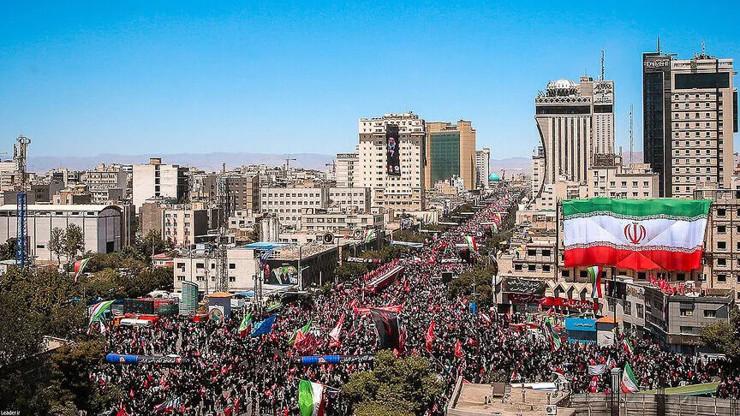
Israeli Strike Kills Ayatollah Ali Khamenei, Buried at Imam Reza Shrine in Mashhad
19 sources compared
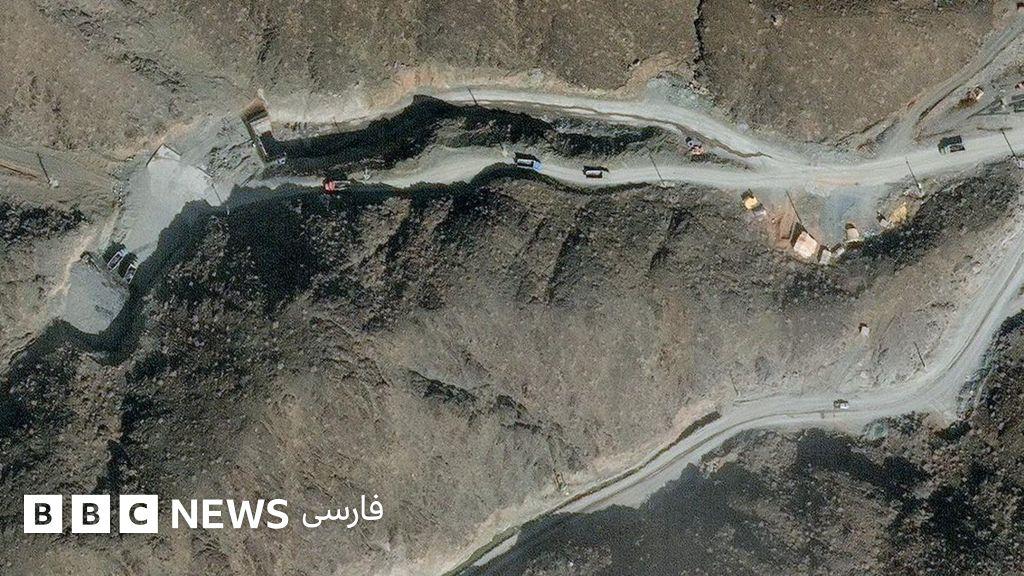
Iran Attempts To Restore Nuclear Sites Damaged In US And Israel Strikes, CNN Satellite Images Show
15 sources compared
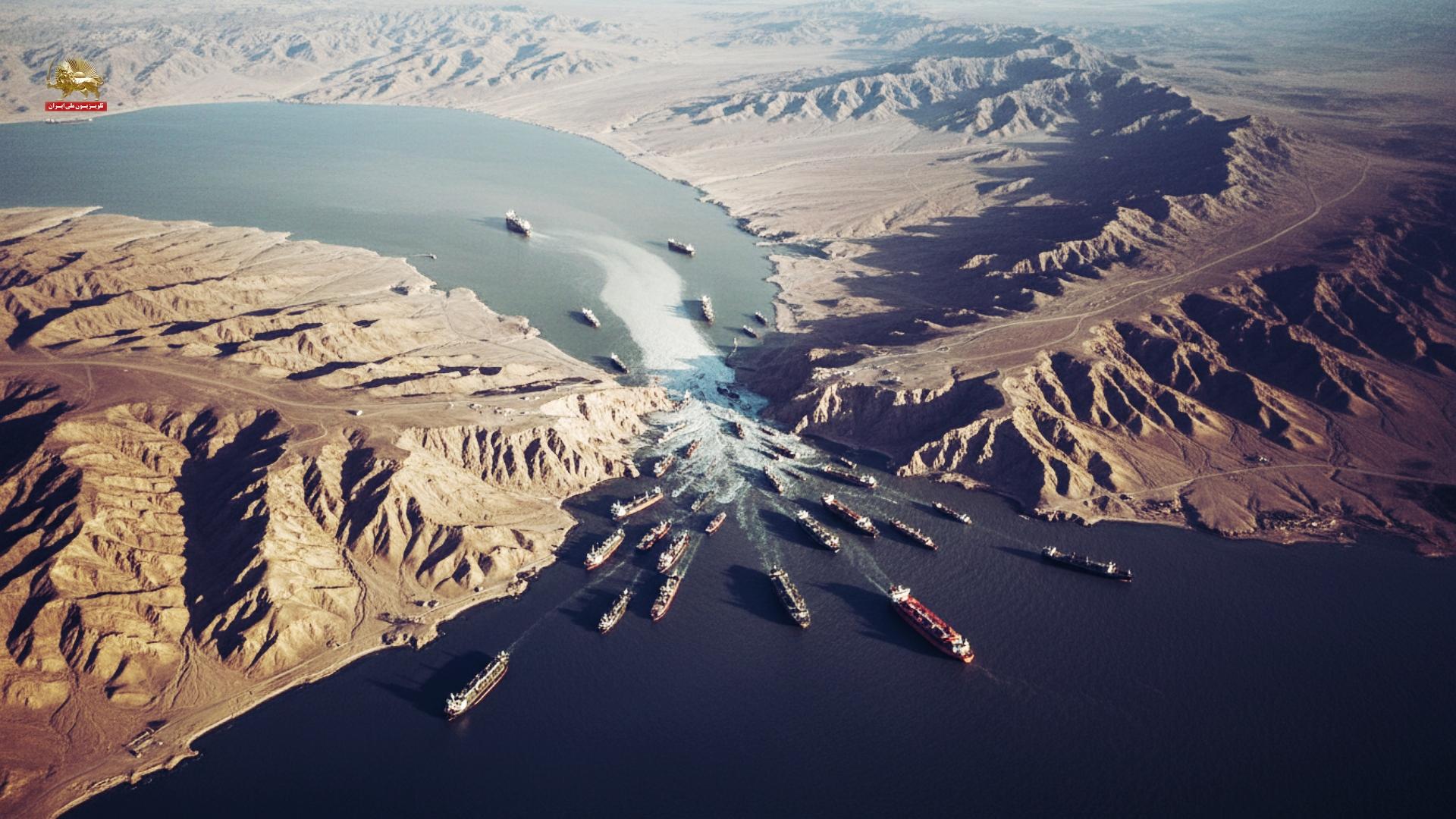
Abbas Araghchi and Prince Faisal Bin Farhan Discuss Regional Developments After US Attacks
11 sources compared

Trump Says U.S. Agreed to Continue Iran Talks, Ceasefire Is Over
19 sources compared