Businessupdated 42m ago3 min read
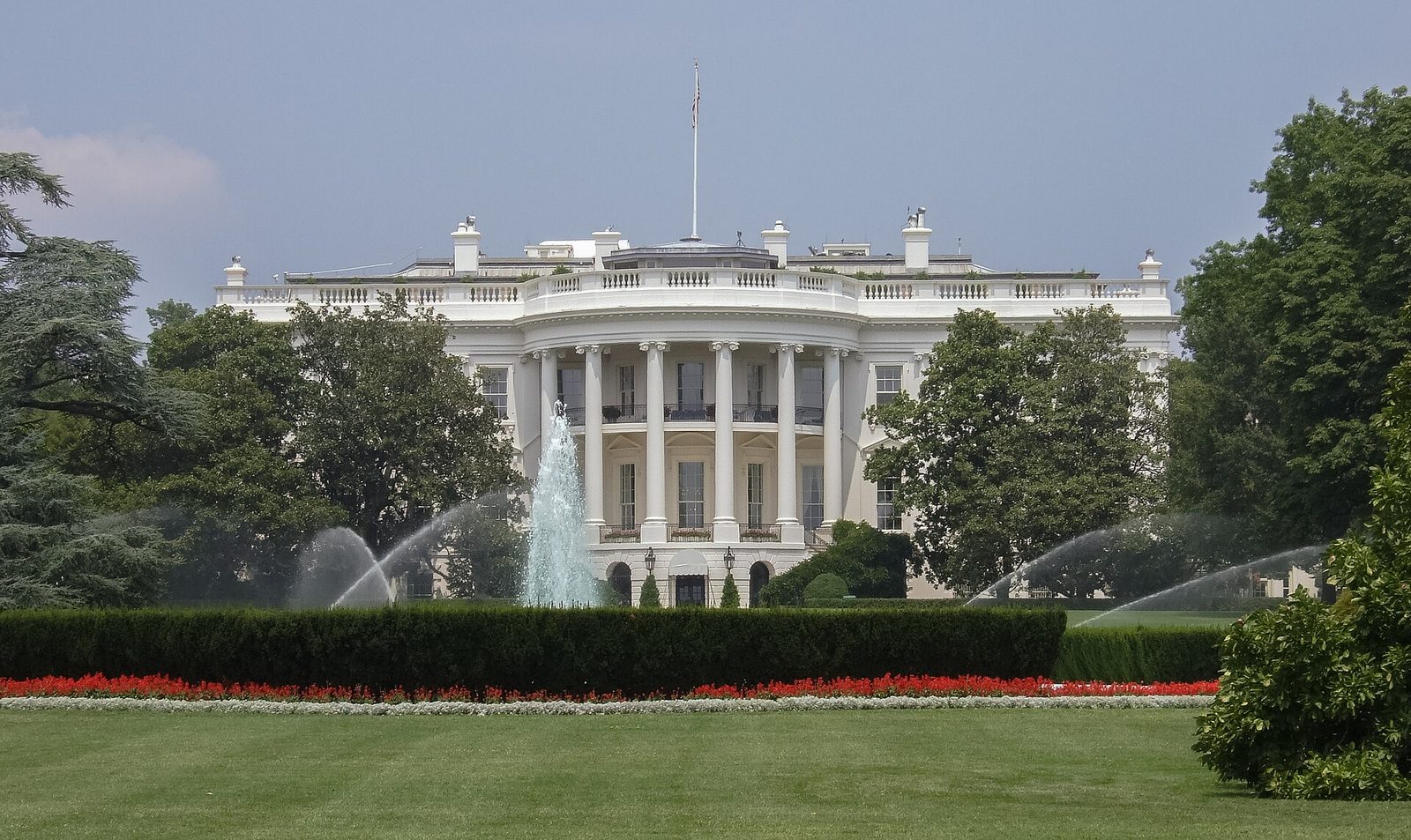
Archive photo · 28 July 2007Trump Administration Announces Section 301 Tariffs on China, EU, and 12 Other Partners
31 Western Mainstream17 Other8 Asian13 Other source typesPhoto: Diego Delso, CC BY-SA 3.0 · Cropped for layout
This article is an automated aggregation of coverage from news outlets. Our editorials offer in-depth analysis curated by the NewsCord team.
Tariffs proposed on 14 major trading partners, including China and the European Union. Tariff rates range up to 20% on many goods, with some items up to 40%.
Save coverage image
Overcapacity Tariffs Proposed
The Trump administration announced plans to impose new trade tariffs on 14 of its major trading partners, including China and the European Union, under Section 301 of the Trade Act of 1974 after an eight-month investigation into what Washington calls “structural excess capacity”. The Office of the US Trade Representative (USTR) said the duties were announced on Wednesday and framed the move as countering countries “promoting production and capacity divorced from the realities of demand and market principles”, including through subsidies and other industrial policies.
The BBC said China faces the highest rate of up to 40%, followed by Vietnam at up to 35%, while other jurisdictions face either 20% or 25%, and it added that the new duties were not expected to take effect until next year. The EU rejected the premise that Europe is the source of structural overcapacity, and European Commission spokesperson Olof Gill said, “We strongly reject the premise that Europe is the source of structural overcapacity.”
Caps, Consultations, and Rates
The European Commission said it would continue consultations with the US regarding the implementation of last year’s bilateral trade agreement, which capped tariffs on EU products at 15%, and spokesperson Olof Gill said, “We expect that any measures resulting from this investigation, including when combined with existing tariffs, will strictly respect the (15% tariff cap) agreement.” The news.sbs.co.kr report said the US rollout targeted 14 economic entities, including the EU, China, and South Korea, and it said the European Commission would “review the findings” while adding, “We strongly reject the premise that Europe is the source of structural overcapacity.”
The BBC said the proposed tariffs would affect China, the European Union, Singapore, Switzerland, Indonesia, Malaysia, Cambodia, Thailand, Korea, Vietnam, Taiwan, Bangladesh, Japan, and India, and it said the announcement was likely to increase tensions between the US and China. The Al Jazeera explainer said the investigation covered 16 economies and tariffs were proposed for 14, while Mexico and Norway were spared for now, and it said China’s proposed 20 percent excess capacity tariff would come on top of roughly 25 percent in tariffs set during Trump’s first term.
Business Stakes and Next Steps
The AP said the Trump administration planned to raise tariffs on Chinese goods by an additional 20%, raising the total tariff rate to 45%, and it said the planned duties were meant to curtail trade practices the US says undercut American companies.
“I think a lot of this is baked in, and I don’t think any of these would actually take effect earlier than a couple months from now.”
The AP also reported that U.S. Trade Representative Jamieson Greer told CNBC, “I think a lot of this is baked in, and I don’t think any of these would actually take effect earlier than a couple months from now.”
The BBC said economists warned tariffs can fuel inflation and push prices up for consumers, and it quoted Capital Economics chief North America economist Stephen Brown saying the latest tariff announcement was “not as alarming as it looks”.
The CBS News report said the tariffs are in the proposal phase and did not provide an implementation timeline, while it also said the administration stressed the tariffs are targeted at specific products and would not be stacked on top of existing tariffs introduced by the Trump administration.