Full story
Deal signed, enrichment pathway
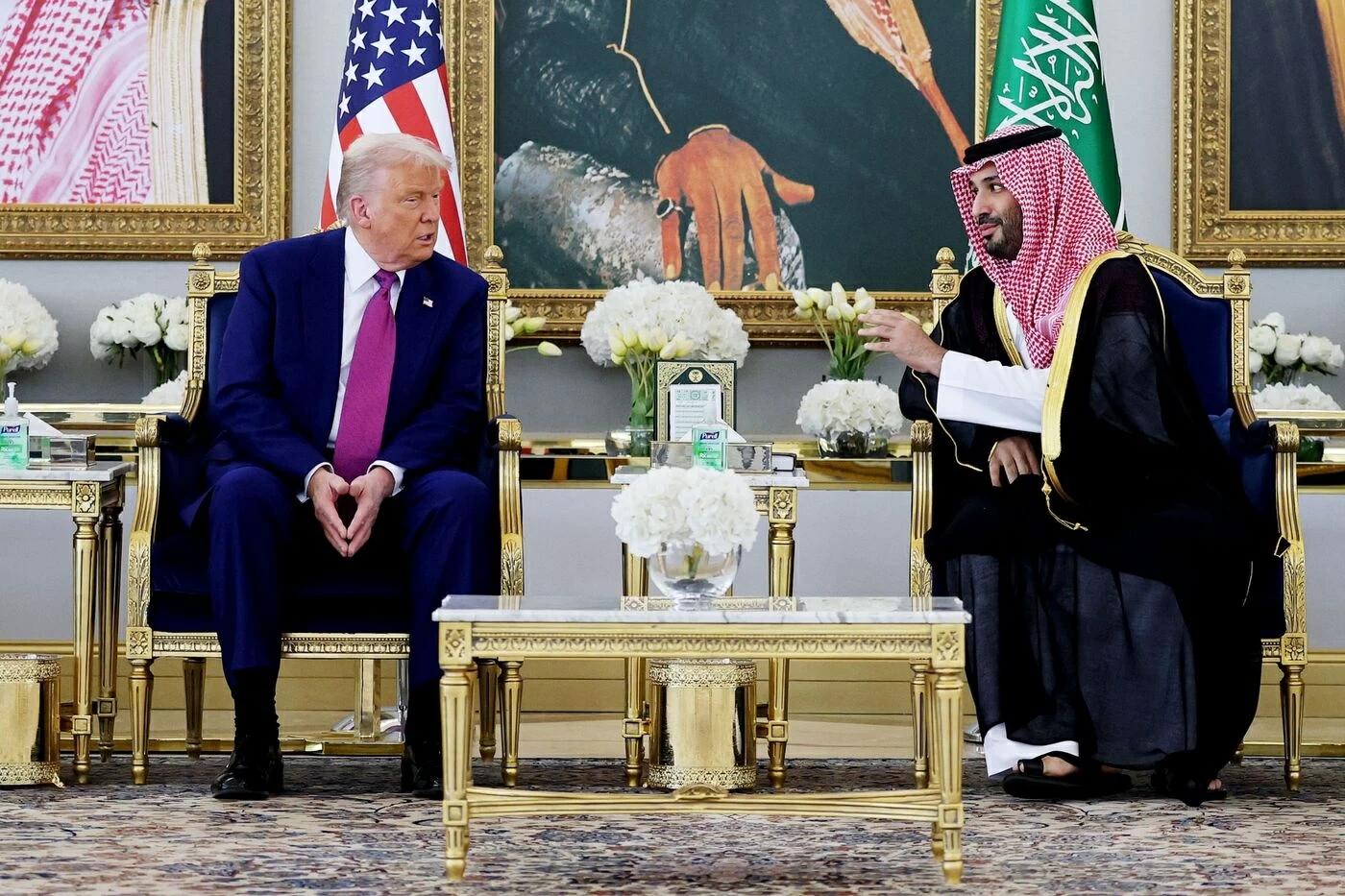
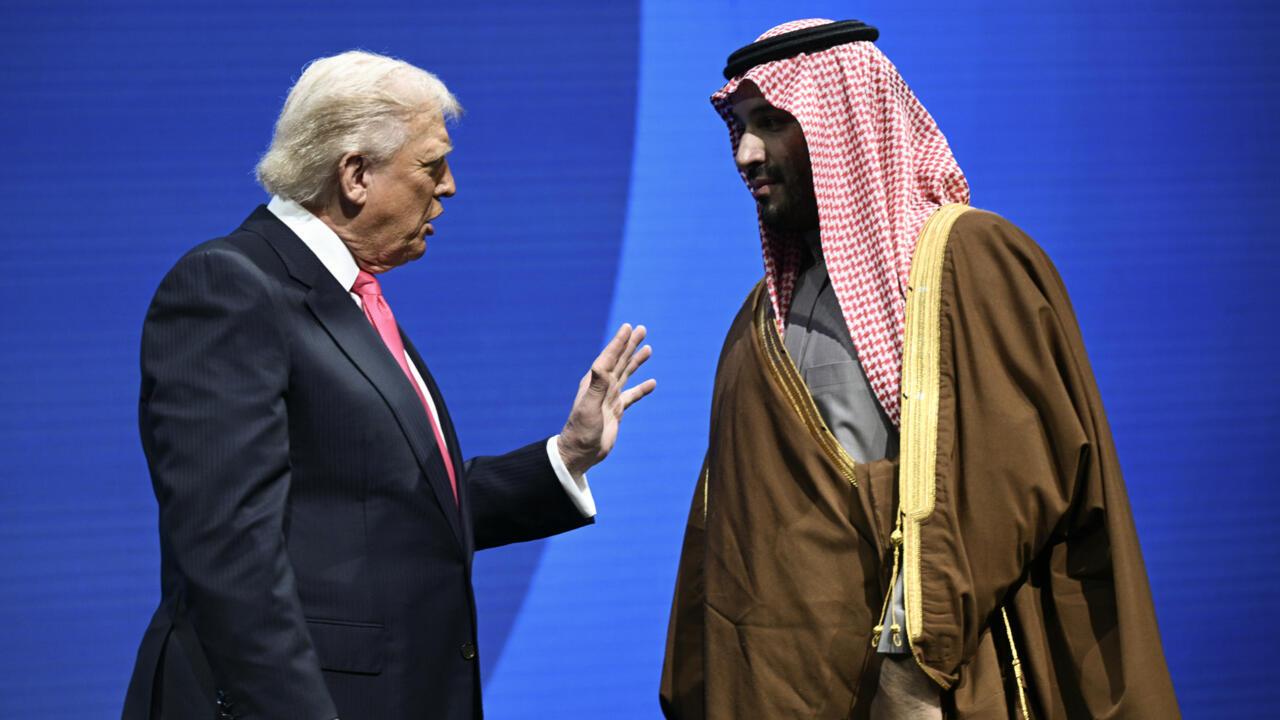
The United States signed a civil nuclear cooperation agreement with Saudi Arabia on Wednesday, with U.S. Energy Secretary Chris Wright and Saudi Energy Minister Prince Abdulaziz bin Salman signing alongside an accompanying bilateral safeguards agreement.
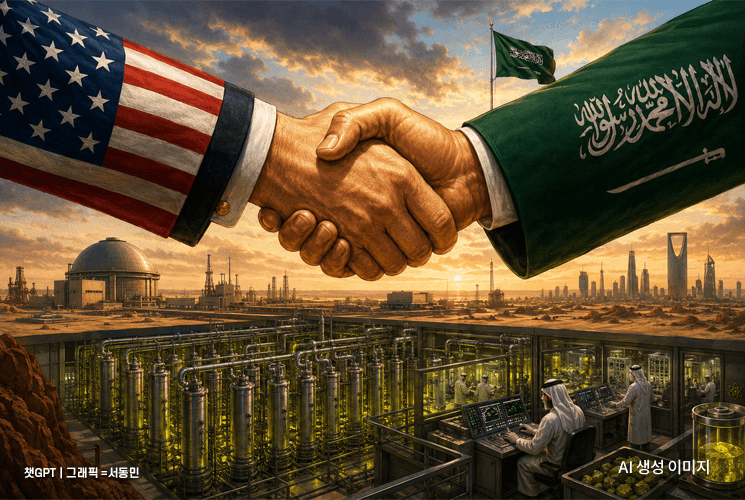
The agreement is described by the U.S. Department of Energy as a "peaceful nuclear cooperation agreement" and is intended to lay "the legal foundation for a decades-long, multi-billion-dollar partnership".
Multiple outlets tied the pact to a pathway for Saudi Arabia to enrich uranium, with the BBC saying earlier media reports suggested Saudi Arabia may be allowed to enrich uranium on its soil after a joint study.
The BBC also reported that the deal could allow Saudi Arabia to enrich uranium in the future, a capability that "can be used as fuel for power plants, but also to make nuclear bombs," as fighting escalates between the U.S. and Iran.
Rubio defends, Markey attacks
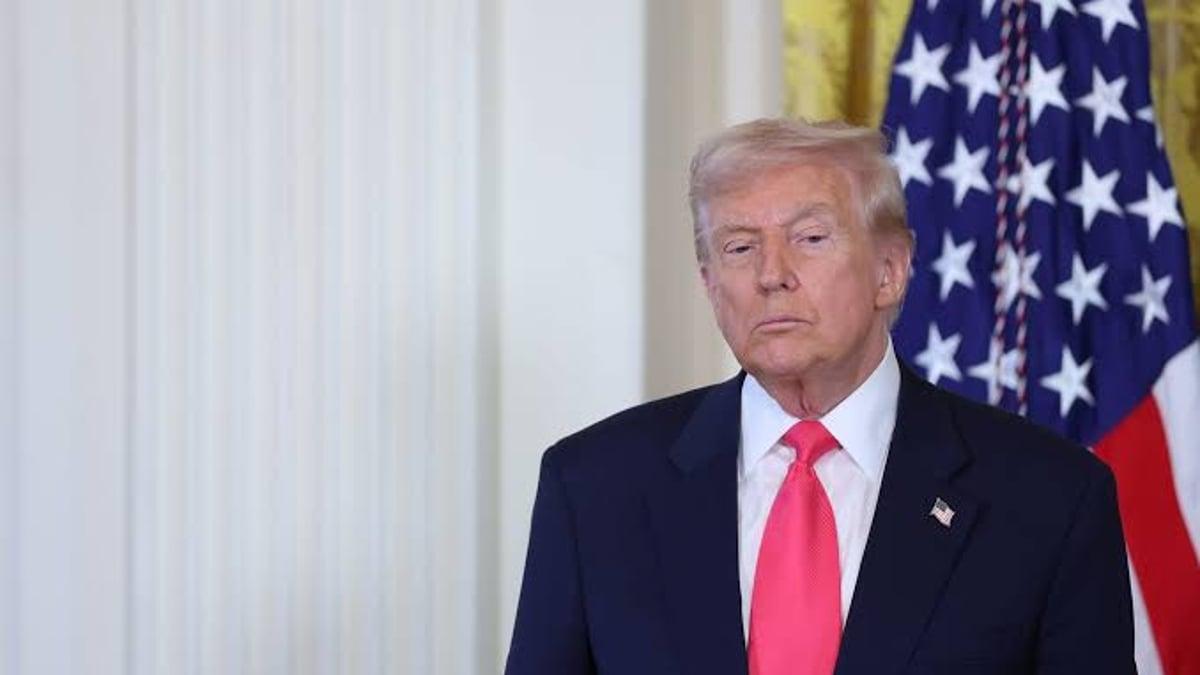
U.S. Secretary of State Marco Rubio pushed back against concerns about proliferation, telling reporters while travelling in the Philippines, "The US is not going to reach any agreement with any country in the world that leads to the risk of proliferation."
The BBC reported that some lawmakers and experts voiced concern the plan could ultimately lead to Saudi Arabia being able to develop a nuclear weapon, and it quoted Rosemary Kelanic saying it would be "quite shocking" if the deal includes the US allowing Saudi Arabia to have facilities to enrich uranium.

Massachusetts Democratic Senator Edward Markey condemned the decision, saying their "hypocrisy is matched only by their recklessness" in a statement condemning Rubio and Trump.
The BBC also reported Markey’s warning that the deal would allow Saudi Arabia, described as "a belligerent and authoritarian nation," to develop nuclear weapons technologies while starting a war with Iran under the guise of preventing an Iranian nuclear bomb.
Congress review and safeguards debate
The agreement will be submitted to the U.S. Congress for review, with the BBC saying the text was not made public and that the deal could be reviewed for monitoring safeguards restricting Saudi Arabia’s uranium enrichment.
NBC News reported that Congress will be required to vote on the agreement but would need a veto-proof majority to actually block it, and it said the deal is not expected to require the most rigorous level of U.N. inspections or include a ban on uranium enrichment or reprocessing of spent nuclear fuel.
The BBC said the U.S. Department of Energy noted that along with the cooperation deal, a "bilateral safeguards agreement" was also signed, while it reported that the full details were not given.
In a separate warning, the Guardian quoted Dan Sumner, chief executive of Westinghouse Electric Company, calling the U.S. announcement a "landmark step" that strengthens energy security and expands opportunities for U.S. industry and workers, as the deal’s monitoring and enrichment provisions remained central to the debate.