Full story
U.S.-Saudi nuclear deal signed
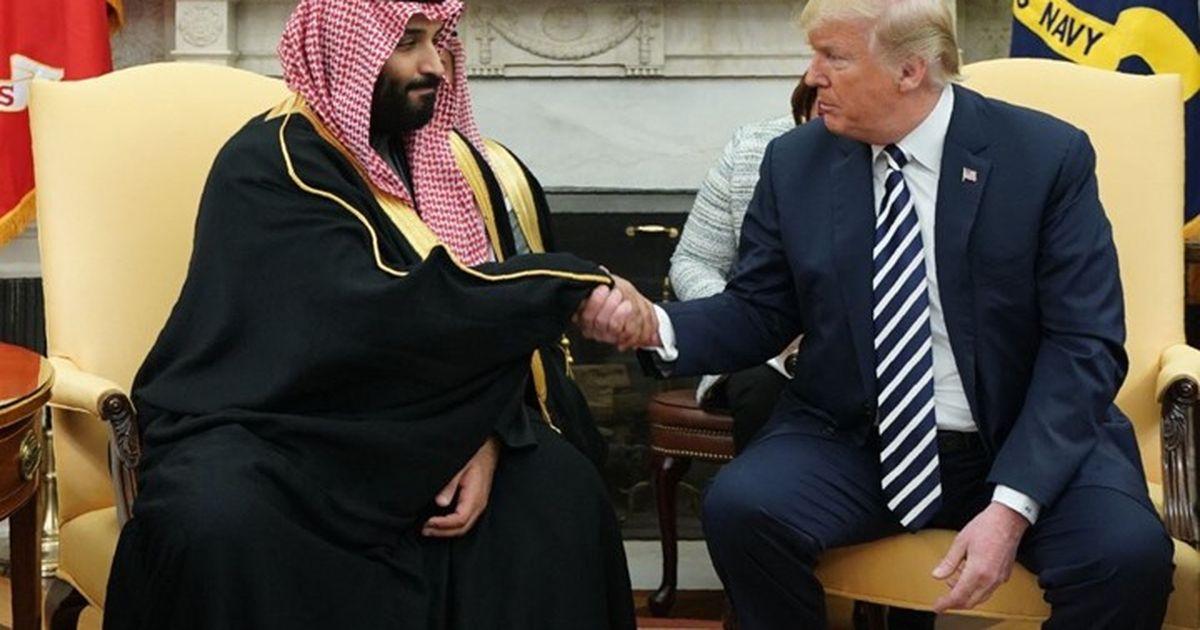
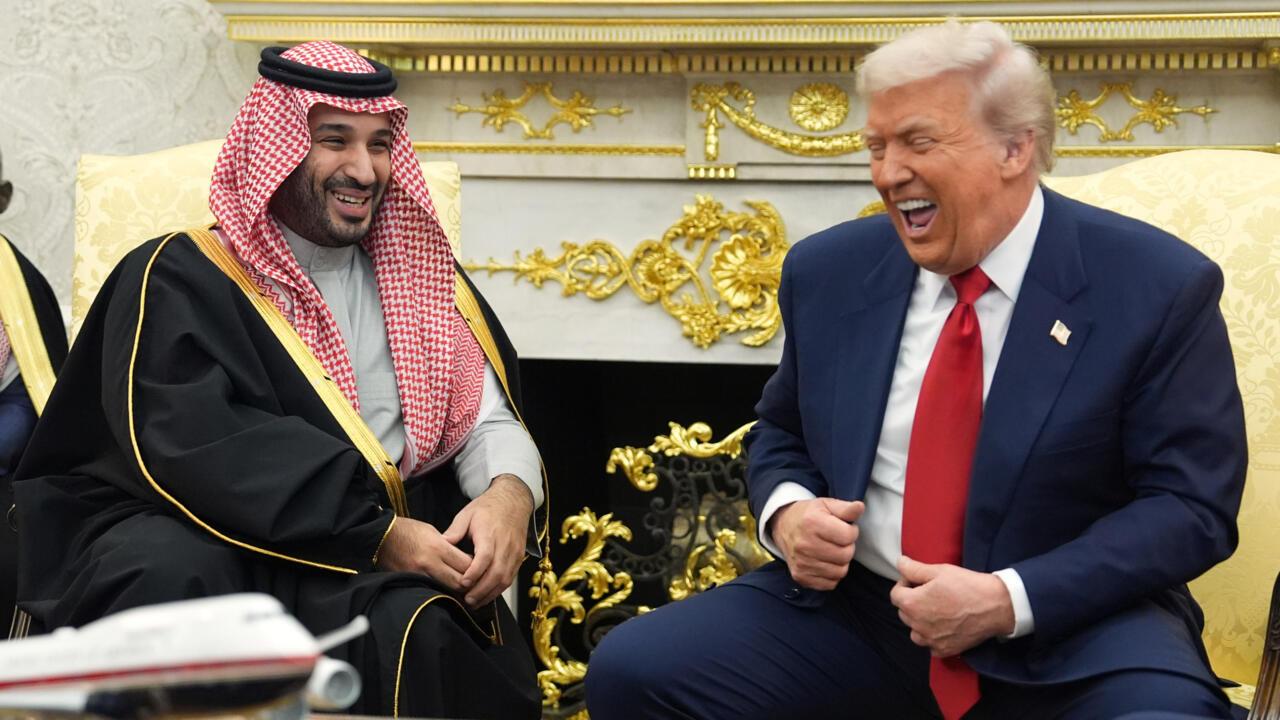
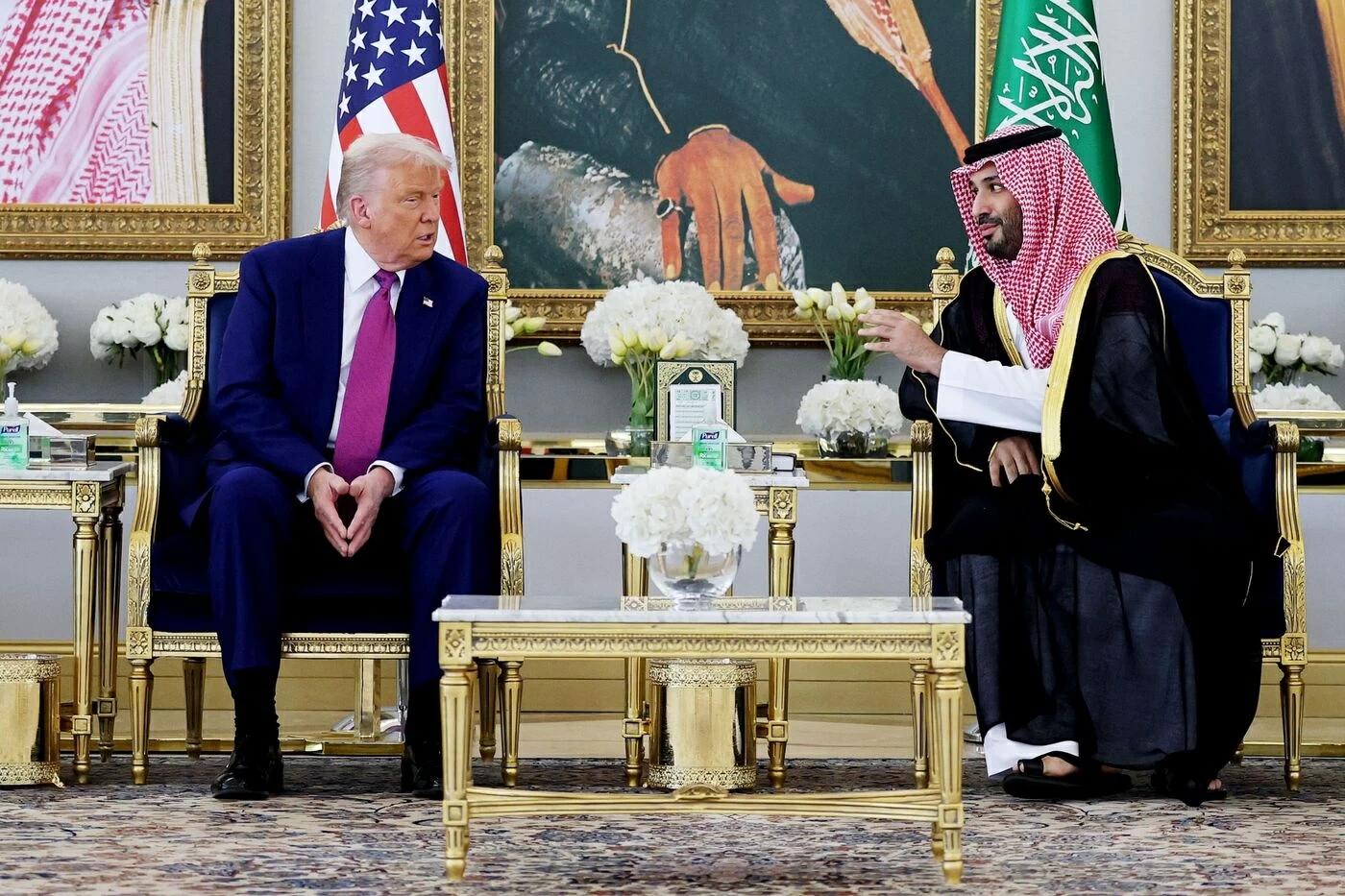
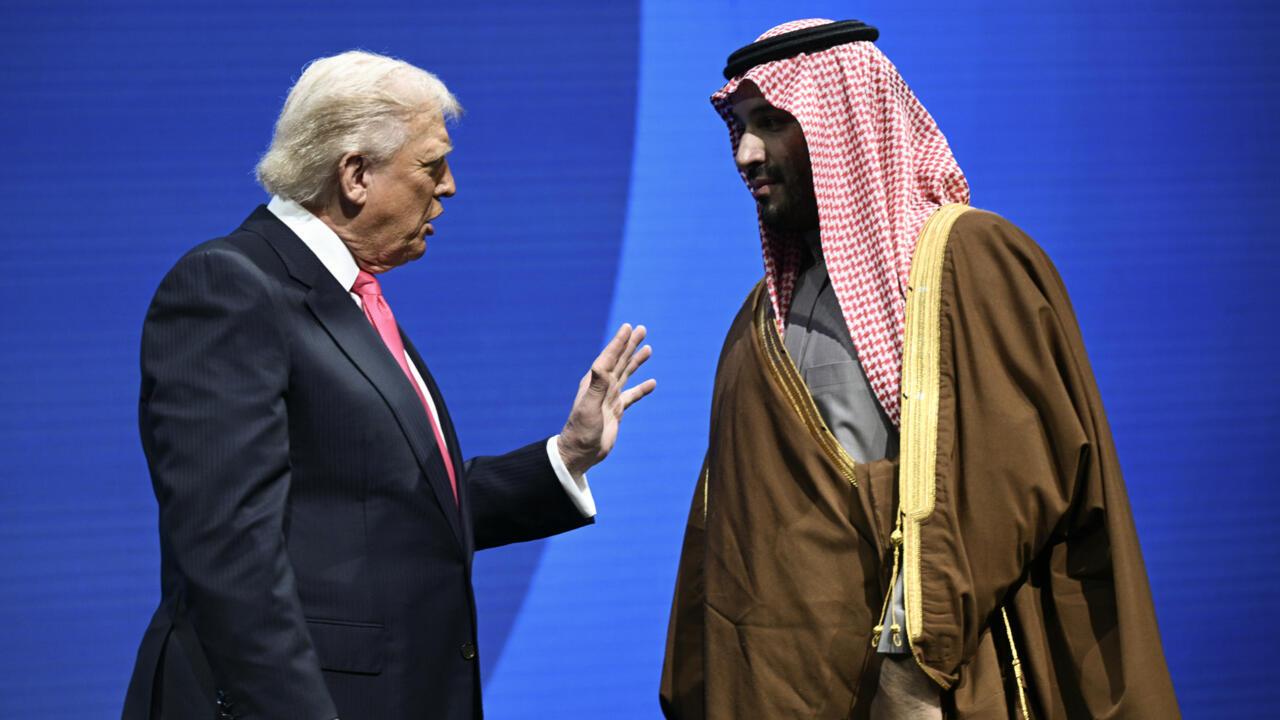
The United States signed a civilian nuclear cooperation agreement with Saudi Arabia on Wednesday, with the U.S. Energy Department saying U.S. Secretary of Energy Chris Wright and Saudi Minister of Energy His Royal Highness (HRH) Prince Abdulaziz bin Salman signed a “peaceful nuclear cooperation agreement, commonly known as a 123 agreement.”
“In short: The United States has announced it has reached a civilian nuclear cooperation deal with Saudi Arabia”
The Energy Department said the deal was signed alongside an accompanying bilateral safeguards agreement, and that “Together, these two agreements lay the legal foundation for a decades-long, multi-billion-dollar partnership.”
NBC News reported that a senior administration official told it President Donald Trump had approved the deal, and that the U.S. would support creating a nuclear power program with American companies building the program in the kingdom under the agreement.
The agreement is expected to be submitted to Congress, and the BBC reported that text from the deal was not made public even as media reports said it could allow Saudi Arabia to enrich uranium in the future.
The BBC also said the announcement came as fighting escalates between the US and Iran, with Saudi Arabia hosting several US bases that have been targeted by Iranian attacks.
Rubio, Markey, and Israeli critics
As criticism mounted over the possibility of enrichment, U.S. Secretary of State Marco Rubio told reporters Wednesday that the U.S. would not “reach any agreement with any country in the world that leads to the risk of proliferation.”
The BBC reported that nuclear experts and former officials in Israel voiced concern the plan could ultimately lead to Saudi Arabia being able to develop a nuclear weapon, and it quoted Rosemary Kelanic saying it would be “quite shocking” if the deal includes the US allowing Saudi Arabia to have facilities to enrich uranium.

In the U.S. Congress, Democratic Senator Edward Markey condemned the deal, telling Reuters that “They are allowing Saudi Arabia, a belligerent and authoritarian nation, to develop nuclear weapons technologies.”
The Guardian reported that at a House foreign affairs committee hearing on Wednesday, congressman Brad Sherman linked the oversight fight to past U.S. decisions, saying “Thank God, nothing nuclear.”
In Israel, the Jerusalem Post reported that the Trump administration’s pact “does not include a plan for normalization with Israel,” even as it was described as a nuclear cooperation agreement submitted to Congress.
Congress review and proliferation risks
Multiple outlets said the agreement would go to Congress for review, with the BBC stating it “will now be sent to Congress for review” and DW reporting it “will now be submitted to Congress and will take effect unless lawmakers vote to block it within 90 legislative days.”
DW said a two-thirds majority would be required to override a presidential veto, while the BBC described the deal as reportedly allowing a Gulf kingdom to develop a civilian nuclear programme and warned experts it could run the risk of future nuclear proliferation.
The AP reported that the framework “paves the way for the building of a uranium enrichment facility in Saudi Arabia after a joint U.S.-Saudi study,” and it said the deal does not include the IAEA’s Additional Protocol.
In Israel-focused reporting, i24NEWS said Israel fears the agreement could “relaunch the nuclear race in the Middle East,” and it added that Riyadh could enrich uranium “on its own soil.”
The NBC News report said the deal is not expected to require the most rigorous level of U.N. inspections or include a ban on uranium enrichment or reprocessing, and it described a pathway for U.S. companies to build a uranium enrichment facility in Saudi Arabia pending a joint study.