Full story
Deal Signed, Congress Next
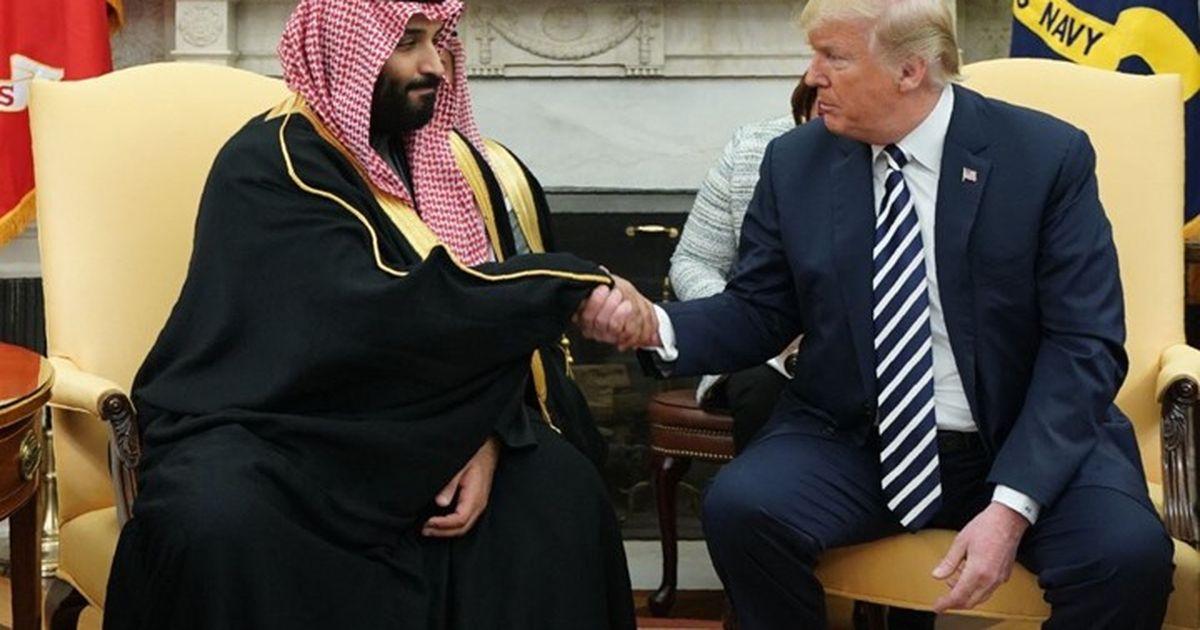
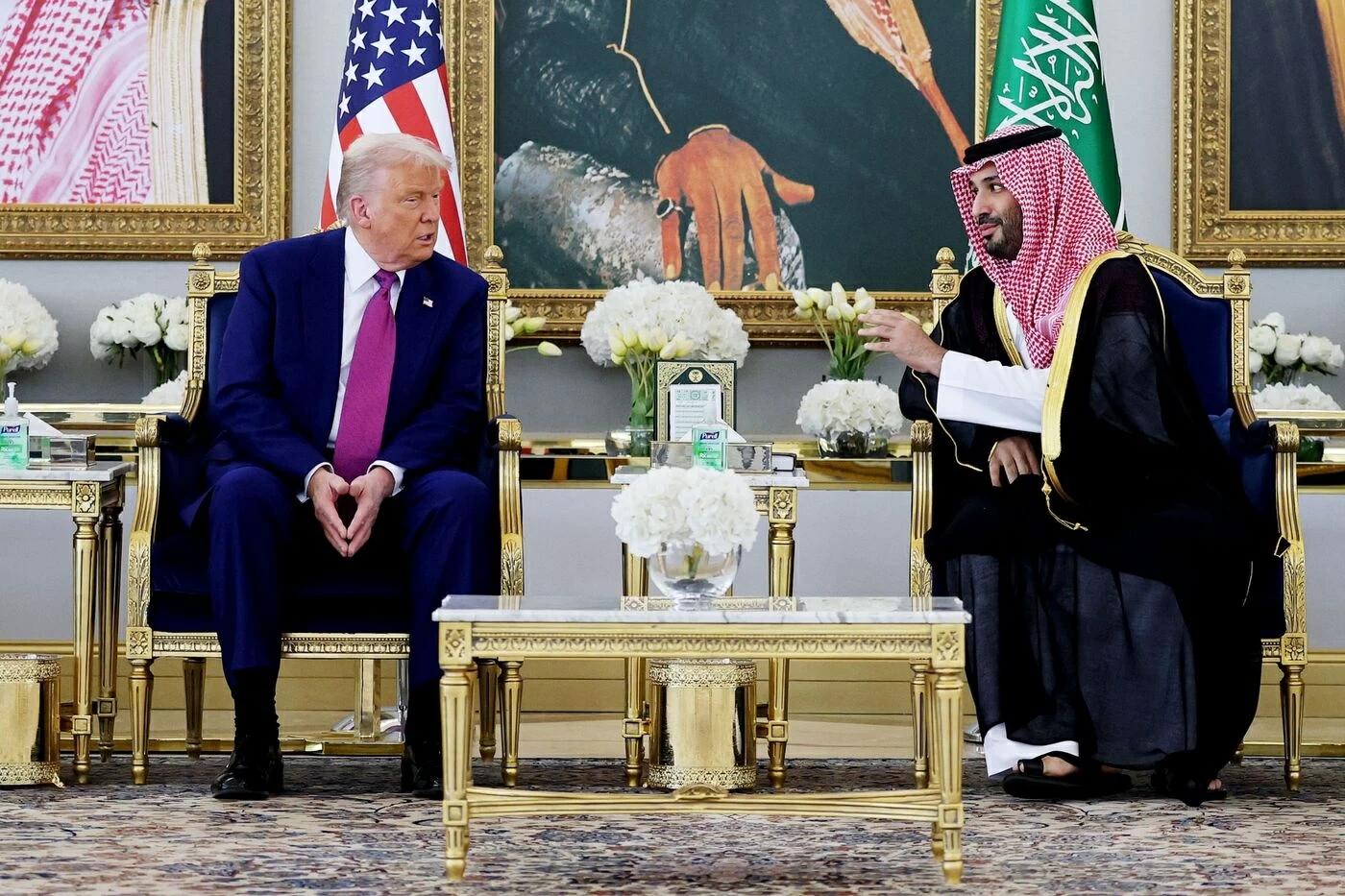
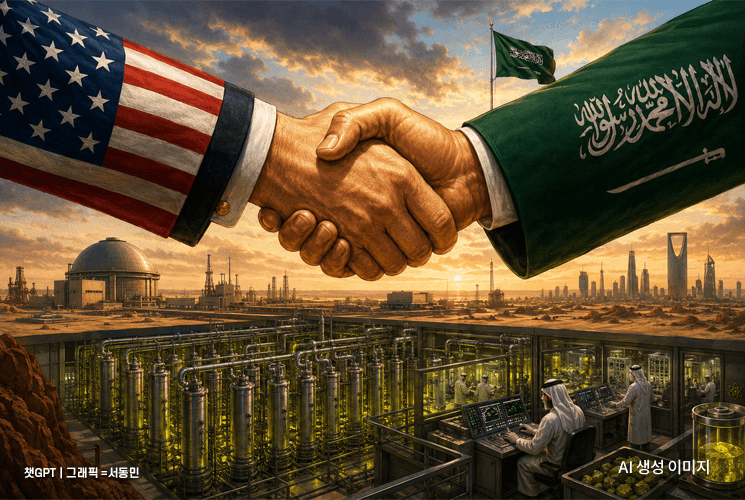
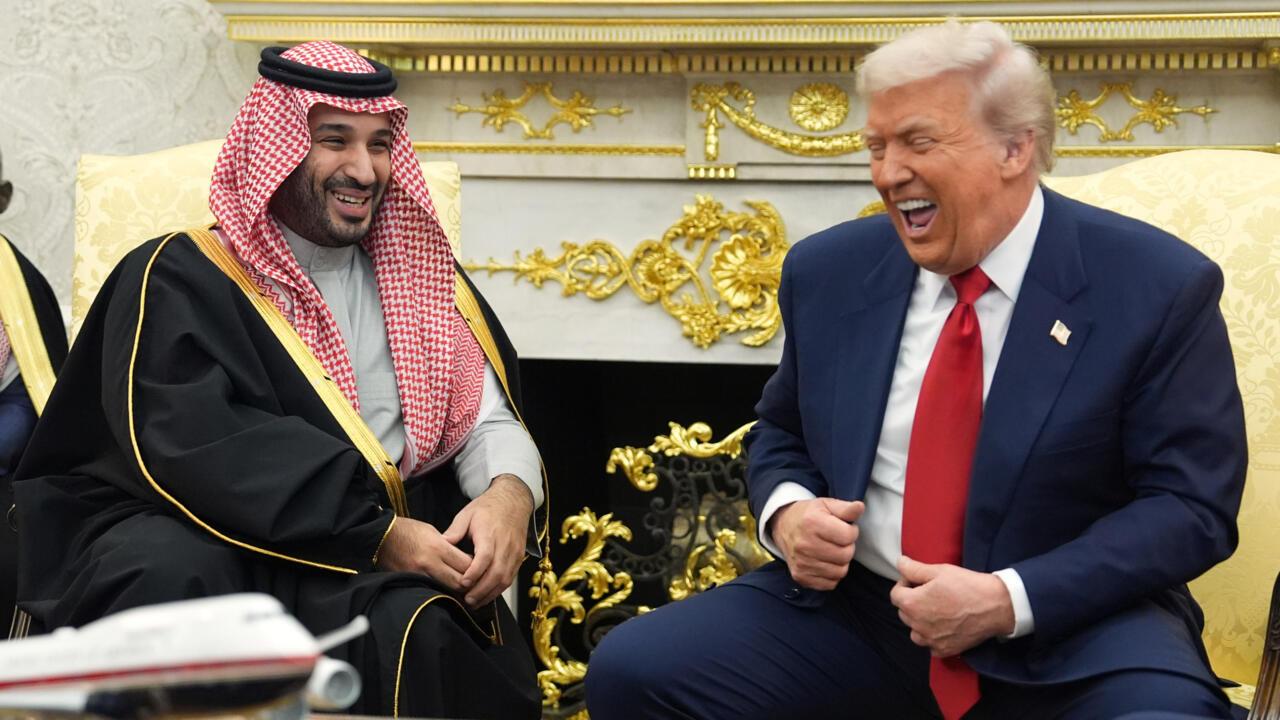
The United States signed a nuclear cooperation agreement with Saudi Arabia on Wednesday, with the Energy Department announcing that U.S. Secretary of Energy Chris Wright and Saudi Minister of Energy His Royal Highness Prince Abdulaziz bin Salman signed a “peaceful nuclear cooperation agreement, commonly known as a 123 agreement.”
“The news has set off a reaction”
The Energy Department said the accompanying bilateral safeguards agreement and the two agreements together “lay the legal foundation for a decades-long, multi-billion-dollar partnership,” and NBC News reported that President Donald Trump had approved the deal earlier.
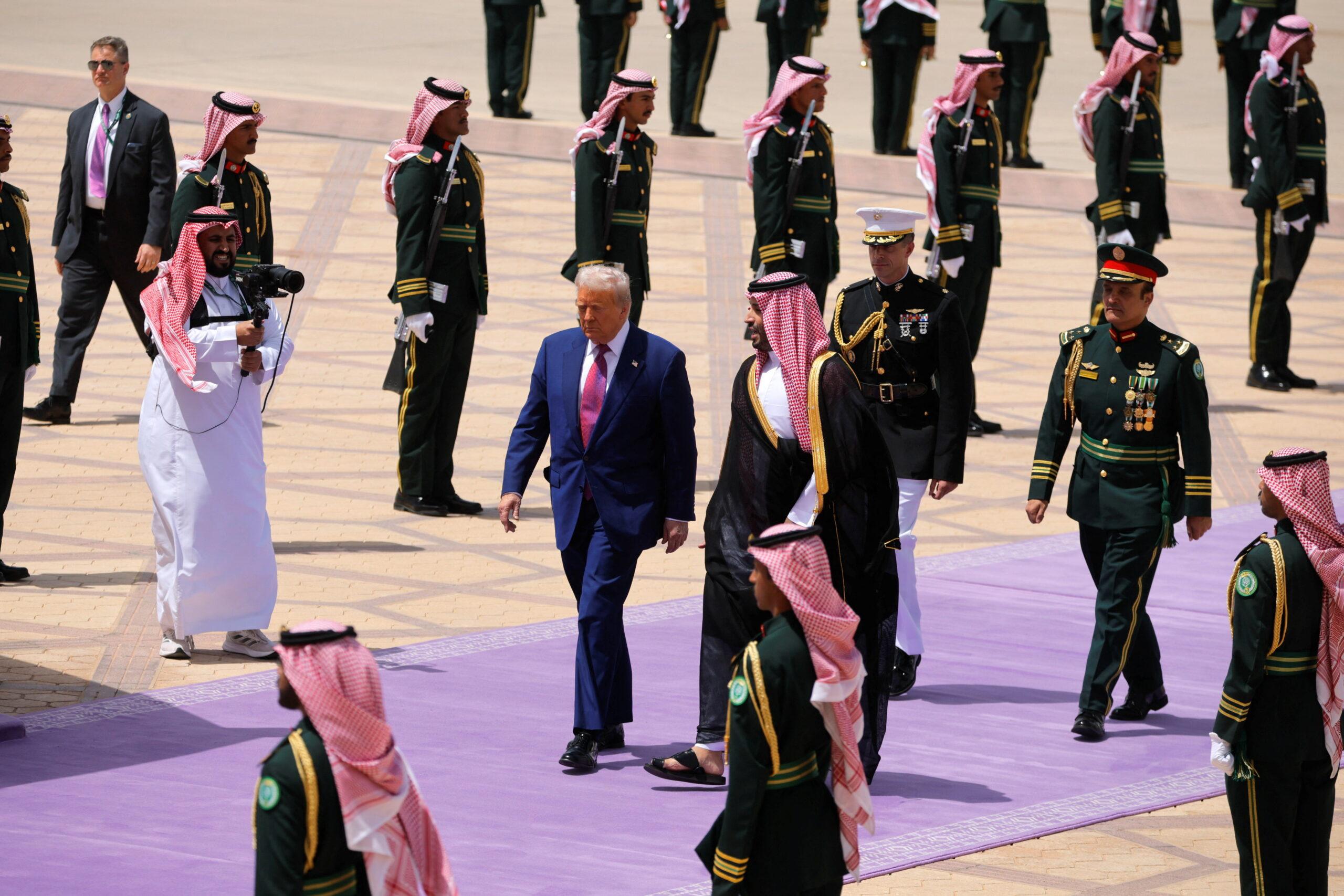
NBC News said the U.S. will support creating a nuclear power program and American companies will build the program in the kingdom under the agreement, while three people familiar with the agreement said it is not expected to require the most rigorous level of U.N. inspections or include a ban on uranium enrichment or reprocessing of spent nuclear fuel.
CNN reported that the deal, known as a 123 agreement, would last 30 years and would next go to Congress for a mandatory review period, with the agreement described as not adopting the “gold standard” of international oversight.
CNN added that a joint US-Saudi team would explore whether enrichment is warranted and commercially viable before uranium enrichment could begin, and that Americans would build the facility without transferring the sensitive technology to Saudi Arabia.
Debate Over Enrichment
At a House foreign affairs committee hearing on Wednesday, Democratic congressman Brad Sherman of Los Angeles called for an oversight hearing of the Trump administration’s nuclear cooperation agreement with Saudi Arabia and warned that exporting technology could be as big a mistake as having armed the Shah of Iran in the 1970s.
Sherman told Mike Waltz, the US ambassador to the UN, “We have no idea who is going to be running Saudi Arabia 10 years from now,” and he argued Congress should approve the deal only if it has “the same gold-standard safeguards as our deal with the UAE.”
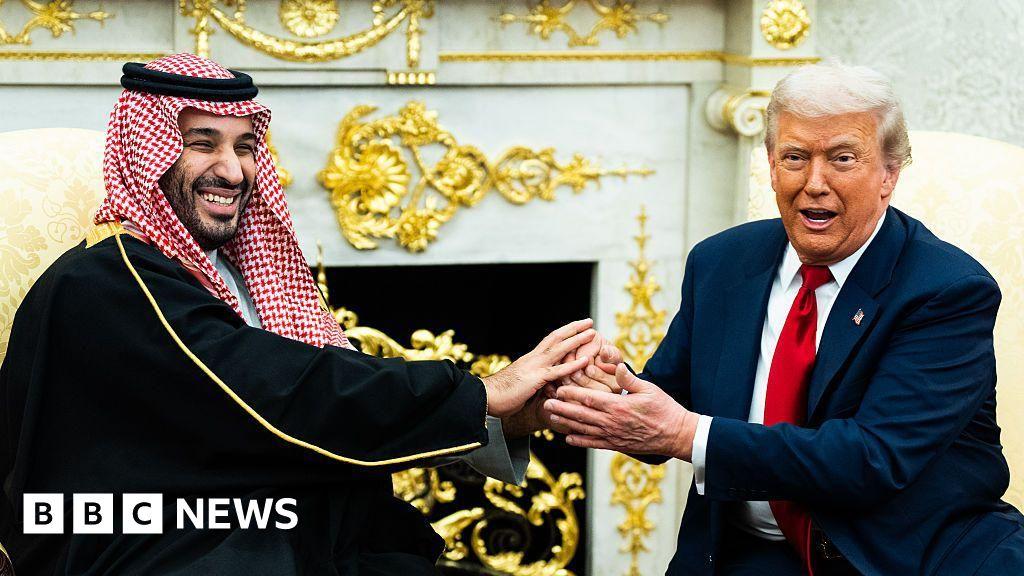
CNN reported that the kingdom is notably not required to sign a standard agreement called the Additional Protocol with the International Atomic Energy Agency, and it said the deal instead includes a bilateral safeguards agreement that resembles the model protocol but lacks the portions that offended Riyadh.
CNN also quoted Energy Secretary Chris Wright arguing that “the agreements uphold the highest standards of nuclear safety and nonproliferation,” while a US official told CNN that the deal otherwise bars Riyadh from developing its own enrichment technology or purchasing it from other countries for a decade.
The Guardian’s live coverage framed the issue as European brands and supply chains facing scrutiny elsewhere, but in the US-Saudi nuclear context it highlighted that the deal could enable Saudi Arabia to enrich uranium, with the text not yet shared with Congress.
Regional Stakes and Pushback
The agreement’s signature came as the U.S. and Israel’s war against Iran continued, and BBC reported that the announcement comes as fighting escalates between the US and Iran.
“Donald Trump approved an agreement with Saudi Arabia that would equip the kingdom with a civil nuclear program, according to corroborating reports from American media including the Associated Press”
BBC said Saudi Arabia hosts several US bases, which have been targeted by Iranian attacks, and it added that the deal was described as a “peaceful nuclear co-operation agreement” that would provide “great access for American companies in the Saudi nuclear energy program.”
In Israel, The Times of Israel reported that Israeli minister Amichay Eliyahu told the Kan public broadcaster that Israel will act to prevent the deal going ahead, saying “We will do as much as we can, in the international arena, and in our foreign policy, to halt the possibility that in the Middle East a certain country — because we can’t rely on it for the long term — has a nuclear weapon.”
The Times of Israel also quoted opposition lawmaker Avigor Liberman posting to X that “Everyone needs to understand that the Saudi civilian nuclear program will end up with nuclear weapons and lead to a mad arms race across the entire Middle East.”
CNN said the deal could strategically benefit the US by locking the Saudis into using US technology and providing Washington “continuing influence over its safety, security, and nonproliferation practices,” while it warned that if the agreement falls through, “Saudi Arabia could turn to Russia or China.”