Trump And Iran Negotiator Sign Deal To Reopen Strait Of Hormuz, Netanyahu Vows Freedom Of Action
Key Takeaways
- Reported signing of U.S.-Iran deal to end war and reopen Strait of Hormuz, details pending.
- Israeli leaders reject binding terms, vow freedom of action in Lebanon despite the agreement.
- Details on Tehran's nuclear program and sanctions relief remain unresolved or undisclosed.
Deal signed, Israel divided
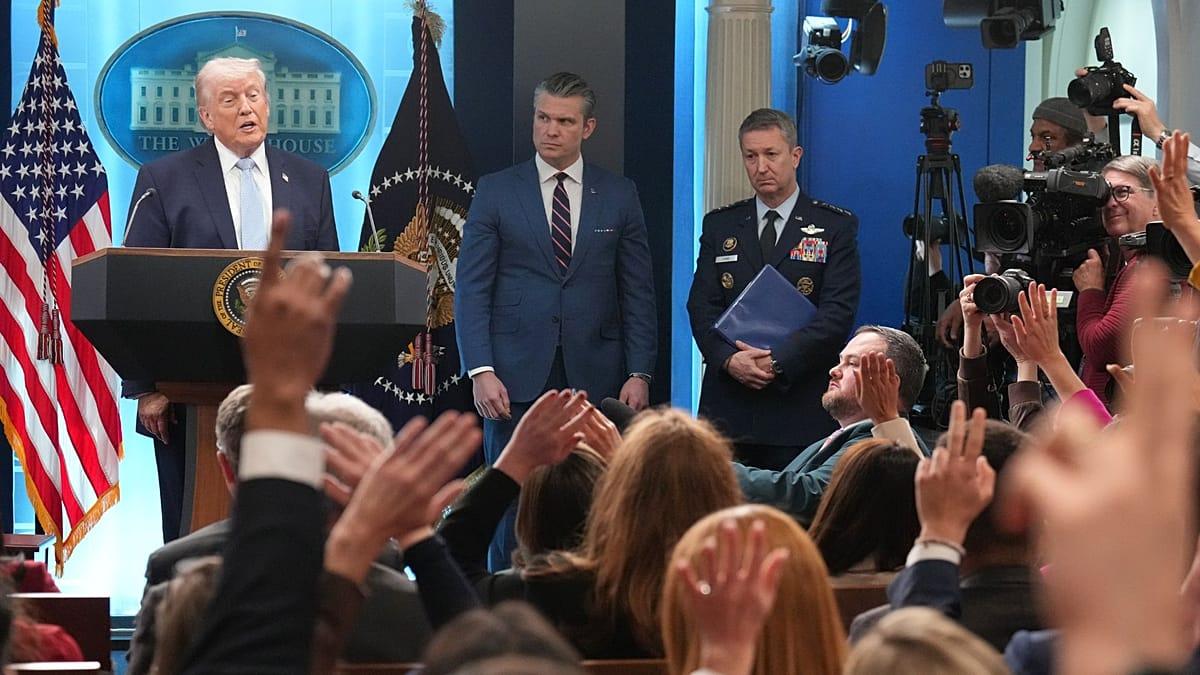
President Donald Trump and Iran’s lead negotiator signed an agreement expected to open the Strait of Hormuz, but the specific terms were not released and American and Iranian officials continued to make conflicting statements about its terms.
Israel’s prime minister Benjamin Netanyahu said on Monday his country’s “struggle has not ended,” casting the peace agreement as “Trump’s decision” while vowing to preserve Israel’s “freedom of action” against emergent threats.

The Washington Post reported that Israelis woke up Monday to news of a peace agreement between the United States and Iran and that the mood was clear as Israelis said Iran will remain a threat.
In Jerusalem, Netanyahu told reporters, “This is his decision. He is leading it. I expressed my opinion,” while adding, “On the other hand, we have our interests — I am committed to ensuring there is no nuclear threat.”
Reactions and competing lines
Israeli political leaders reacted with defiance and criticism, with Itamar Ben-Gvir posting Monday morning on X that “Trump’s agreement does not bind us.”
The Washington Post also reported that Ben-Gvir and other Israeli officials remained defiant about striking Hezbollah as Iran and Trump demanded, and that Netanyahu faced pressure from across the Israeli political spectrum and the Israeli military establishment.

In the BBC’s account, Trump said the preliminary deal to end the war with Iran had already been signed and suggested details would be published “pretty soon,” while senior US officials said the Strait of Hormuz would re-open on Friday.
The BBC further quoted Netanyahu saying Israeli forces would remain in security zones in Lebanon, Syria and Gaza “as long as necessary,” and that Iran would not be allowed to obtain nuclear weapons, with or without a deal.
What’s at stake next
The New York Times said the agreement’s immediate scope was focused on ending military attacks and allowing traffic to resume through the Strait of Hormuz, while a 60-day period of negotiations toward a comprehensive peace agreement was set to begin after a ceremonial signing in Geneva on Friday.
Iran’s foreign minister Abbas Araghchi said negotiations would grapple with easing American economic sanctions and limiting Tehran’s nuclear program, and he warned that talks would be made more difficult by “a history of broken promises.”
The BBC reported that the deal would extend a ceasefire for another 60 days, during which the sides would negotiate details of a final agreement, and that sanctions relief or release of assets would depend on Iran meeting commitments under the deal.
AP said the initial agreement was meant to provide a meaningful truce in a monthslong war that has killed thousands across the Middle East, and it noted that Israel is not party to the deal while Israel’s defense minister said the country would not withdraw from land seized in Lebanon.
More on Iran

Donald Trump Says US-Iran Deal Reopens Strait of Hormuz, Lifts Naval Blockade
11 sources compared

Donald Trump Says U.S. and Iran Reached Deal To Reopen Strait of Hormuz
21 sources compared
US-Iran Peace Deal Reopens Strait of Hormuz, Ends Naval Blockade, Defers Nuclear Talks
14 sources compared
Trump And Iran Sign Memorandum, Reopen Strait Of Hormuz, Start 60 Days Of Nuclear Talks
14 sources compared