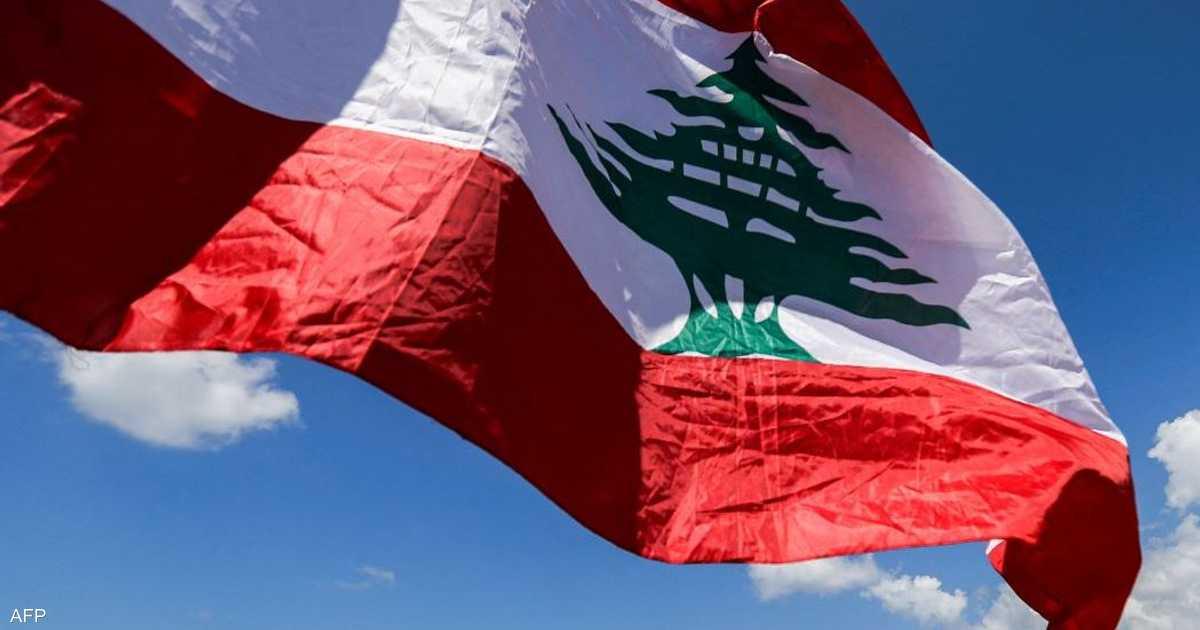
Trump Announces 10-Day Ceasefire Between Israel And Lebanon As Iran Opens Strait Of Hormuz
Key Takeaways
- Trump announced a 10-day ceasefire between Israel and Lebanon.
- The ceasefire took effect and is currently holding.
- Iran opened the Strait of Hormuz during the ceasefire.
Ceasefire and Hormuz Open
A 10-day ceasefire between Israel and Lebanon went into effect at 5 p.m. ET Thursday, with the truce pausing fighting between Israeli forces and Hezbollah, removing a major obstacle to peace talks between the United States and Iran.
“04:45 01:45 01:31 01:11 01:11 01:34 04:16 L”
The Globe and Mail described the ceasefire as part of a wider diplomatic sequence, writing that on Thursday U.S. President Donald Trump “showed that he could restrain Israel and get it to end its war on Lebanon,” and that “Less than 24 hours later, Iran responded by temporarily lifting its blockade of the Strait of Hormuz.”
NBC News said Iranian Foreign Minister Abbas Araghchi declared the crucial waterway “is declared completely open” for commercial vessels “for the remaining period of the ceasefire,” while Trump said the U.S. blockade of Iranian ports “will remain in full force” until a peace deal is reached.
The Guardian reported that Iran’s foreign minister said passage for all commercial vessels was allowed, but that the strait is “completely open for the remaining period of ceasefire,” with a caveat that ships would have to take a specified route.
CNN similarly said Iran’s foreign minister announced the trade chokepoint open to all commercial vessels during the ceasefire, while Iranian state media cast uncertainty and shipping companies expressed caution.
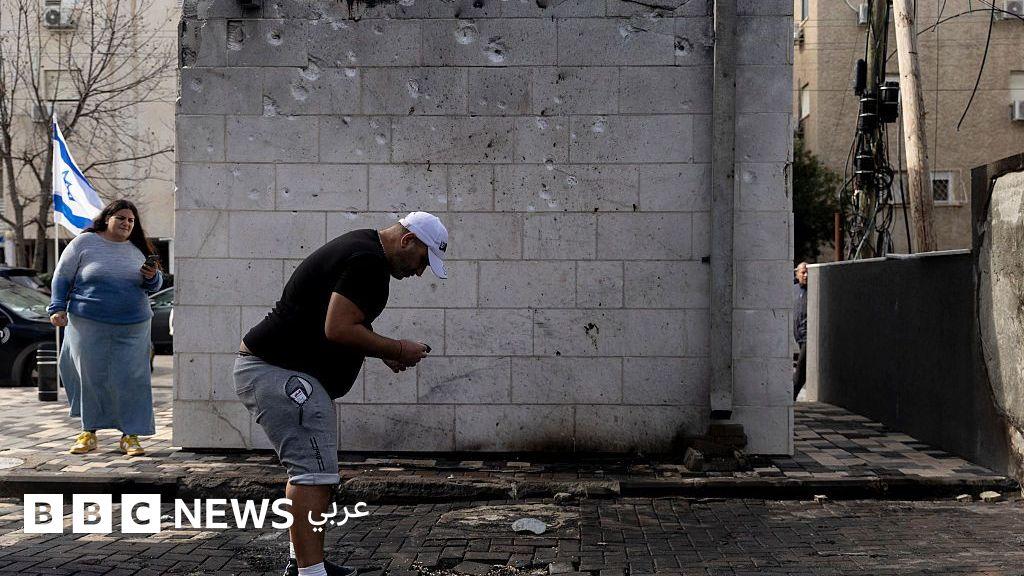
NBC News reported that the ceasefire appeared to be holding, with civilians rushing home to destroyed villages in southern Lebanon even as Israel vowed its military would not withdraw.
The New York Times said the truce paused fighting between Israeli forces and Hezbollah and that Israeli and Lebanese officials had confirmed they would implement it, while Hezbollah acknowledged the cease-fire but did not directly address whether it would accept the truce.
Across the same timeline, the Globe and Mail linked the Hormuz opening to immediate market movement, saying crude oil prices “immediately began falling,” and that natural gas prices had “more than doubled in some markets.”
How the Talks Were Framed
The ceasefire’s diplomatic purpose was portrayed as tightly linked to the broader U.S.-Iran track, even as the sources emphasized that the Lebanon and Iran ceasefires were not necessarily treated as the same thing.
Axios said the U.S. had been pressing for a ceasefire between Israel and Lebanon “while working in parallel on a potential peace deal with Iran,” and it quoted Trump on Truth Social: “These two Leaders have agreed that in order to achieve PEACE between their Countries, they will formally begin a 10 Day CEASEFIRE at 5 P.M. EST.”
The Globe and Mail argued that the 10-day pause “had less to do with either country than with the U.S. President’s desire to find a way to end the wider conflict,” and it described the cascade as making plain that the ceasefire “could be reversed in a matter of minutes.”
The New York Times said the truce paused fighting between Israeli forces and Hezbollah, “removing a major obstacle to peace talks between the United States and Iran,” and it reported that the U.S. State Department outlined the truce in a memo saying Israel would retain the right “to take all necessary measures in self-defense,” while not carrying out “offensive operations” against Lebanese targets.
The Guardian added that Trump posted on Truth Social that Israel was “PROHIBITED” from bombing Lebanon and that “Israel will not be bombing Lebanon any longer,” while minutes earlier Netanyahu had uploaded a video address declaring Israel was not done yet with Hezbollah.
CNN reported that Trump said negotiations over a peace deal with Iran “should go very quickly,” and it quoted Trump’s insistence that the U.S. naval blockade would continue until a deal is “100% complete.”
In the same reporting, the Guardian said Trump also posted that Iran agreed to never close the strait again, but that this “has not been verified,” while Araghchi’s announcement included the caveat that ships would have to take a specified route.
The Globe and Mail described the Hormuz opening as tied to a ceasefire period, saying Iranian Foreign Minister Abbas Araghchi announced the strait was open to all commercial vessels “for the remaining period of ceasefire.”
Voices: Aoun, Trump, UN
Lebanon’s leadership and international officials framed the ceasefire as both a test of sovereignty and a step toward longer-term arrangements, while U.S. messaging to Hezbollah emphasized restraint.
“Anxiety in Israel over the ceasefire announced by Trump with Lebanon”
NBC News quoted Lebanese President Joseph Aoun addressing the public as the ceasefire went into effect, with Aoun saying, “We are no longer anyone's pawn,” and adding, “We are no longer anyone's battleground. And we never will be again,” while he said negotiations with Israel were not a sign of weakness.
In the same NBC News account, Aoun said his government hopes to achieve a permanent agreement to protect his people and that he would not allow “a single Lebanese to die again,” and it quoted him saying, “I will not allow a single Lebanese to die again, nor will I allow the continued bloodshed among my people and my nation.”
The Guardian also quoted Aoun, describing his call for a ceasefire to be transformed into “permanent agreements,” and it included his statement: “Now, we all stand before a new phase: the transition from working towards a ceasefire to working towards permanent agreements that preserve the rights of our people, the unity of our land, and the sovereignty of our nation.”
Trump’s public posture toward Hezbollah was conveyed through his Truth Social messages, with CNN reporting he urged the group to “exercise restraint and embrace peace,” and it quoted Trump: “I hope Hezbollah acts with kindness and wisdom during this important period. It would be a great moment for them if they do so. No more killing. Peace must finally be achieved.”
The New York Times described Hezbollah’s stance as acknowledging the temporary truce while not directly addressing whether it would accept it, saying its actions would be “based on how developments unfold.”
The Guardian reported that Hezbollah has said it opposes direct talks with Israel and that lawmakers criticized the government for agreeing to hold such negotiations, while it also said Aoun insisted, “These negotiations are not a sign of weakness, nor a retreat, nor a concession.”
On the international side, the Guardian quoted United Nations secretary general Antonio Guterres welcoming the opening of the strait of Hormuz and saying it was “a step in the right direction,” and it included his statement that “We need the full restoration of international navigational rights and freedoms in the Strait of Hormuz to be respected by all parties.”
Ceasefire Violations and Unclear Compliance
Even as the truce was described as largely holding, multiple outlets reported ceasefire violations and uncertainty about how Hezbollah and Israel would behave during the pause.
CBS News said the 10-day truce appeared to be mostly intact early Friday, but it also reported that the Lebanese army posted on social media that there had been “a number of violations of the agreement, with several Israeli attacks recorded, in addition to intermittent shelling targeting a number of villages.”

CBS also reported that French President Emmanuel Macron said he was concerned the ceasefire “may already be undermined by ongoing military operations,” citing AFP.
CNN reported that Lebanon’s health ministry said at least one person was killed in an Israeli strike carried out after the ceasefire began, describing a strike on a motorcycle and another vehicle in the southern Lebanese town of Kounine on Friday afternoon that killed one person and wounded two other people.
The Guardian said the Lebanese army had reported “a number of violations” of the ceasefire this morning, as thousands of displaced families began making their way home to southern Lebanon.
The Globe and Mail described the ceasefire as “less than 24 hours” after which Iran opened Hormuz, but it also noted that Israel continued to “pound targets across Lebanon” even as the fighting between Israel and Hezbollah seemed on hold.
The New York Times said it was unclear if the agreement between Prime Minister Benjamin Netanyahu and the Lebanese government was being honored, and it reported that Hezbollah acknowledged the temporary truce but did not directly address whether it would accept the truce.
In a separate report, 20 Minutes said the Lebanese army reported several violations of the accord, noting incidents attributed to Israel and intermittent bombardments hitting several villages, while Hezbollah said it retaliated by targeting Israeli soldiers.
Stakes: Oil, Blockade, and Next Steps
The stakes of the Lebanon ceasefire were repeatedly tied to the Strait of Hormuz, the U.S. naval blockade, and the pace of U.S.-Iran negotiations, with multiple outlets describing market and operational consequences.
“Oil prices plunged Friday after Iran's foreign minister declared the Strait of Hormuz "completely open" during the ceasefire between Israel and Lebanon, raising hopes the huge supply disruption will ease”
CNBC said oil prices plunged after Iran’s foreign minister declared the Strait of Hormuz “completely open,” and it reported that U.S. crude oil futures for May delivery fell nearly 12% to close at $83.85 per barrel, while Brent for June delivery lost 9% to settle at $90.38 per barrel.

NBC News said stocks surged higher and oil dropped 12% on the news, while shipping companies said there were outstanding questions that needed to be answered.
The Guardian reported that crude oil “tumbled” and that Brent crude plunged below $90 a barrel, a 10% fall, and it also said Trump posted that Israel was “PROHIBITED” from bombing Lebanon and that “Israel will not be bombing Lebanon any longer.”
At the same time, the blockade remained central: NBC News said Trump’s U.S. blockade of Iranian ports “will remain in full force” until the two sides reach a peace deal, and it reported that Iran threatened “necessary measures” if the blockade is not lifted.
CNN said Trump told CBS that the U.S. would continue its blockade of Iranian ports “until we get it done,” and it quoted U.S. Central Command chief Adm. Bradley Cooper saying the blockade “will remain in effect as long as the president says it will remain in effect.”
The Guardian added that Araghchi’s announcement came with a caveat about a specified route and that the UN’s International Maritime Organisation was “currently verifying the recent announcement.”
The Globe and Mail described Trump’s position that a reciprocal U.S. blockade on Iranian ports would remain in place “until such time as our transaction with Iran is 100% complete,” and it said the ceasefire Mr. Araghchi was referring to was a 14-day pause agreed on April 8 due to expire on Wednesday.
More on Lebanon
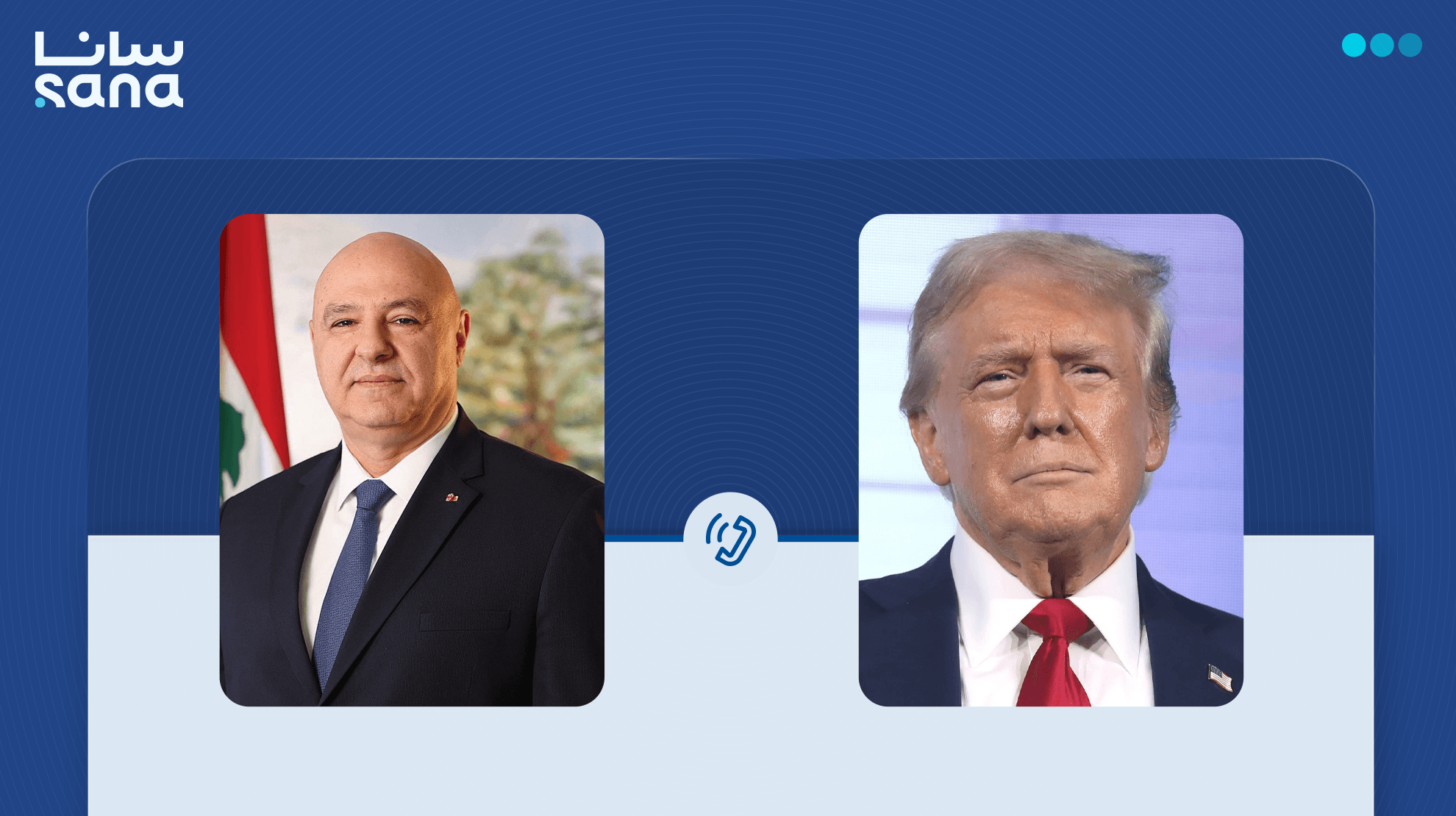
Joseph Aoun Tells Rodolphe Haykal Lebanon Army Role After U.S.-Israel Framework Agreement
10 sources compared
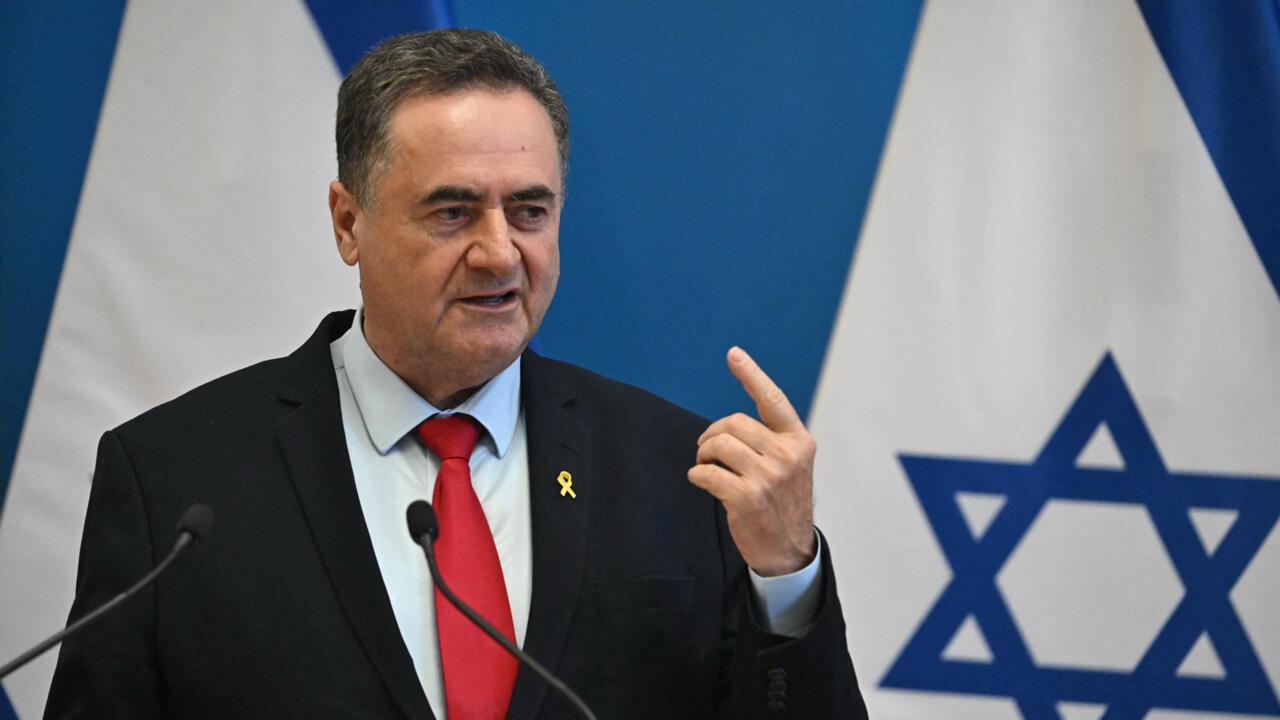
US Oversees Israel’s Phased Withdrawal From Lebanon Pilot Zone Ahead of Rome Talks
15 sources compared
Hezbollah Rejects Israel-Lebanon Framework Agreement After Washington Talks With Marco Rubio
11 sources compared

Sheikh Naim Qassem Says Lebanon Framework Agreement Transfers Sovereignty From Zionist Regime
33 sources compared