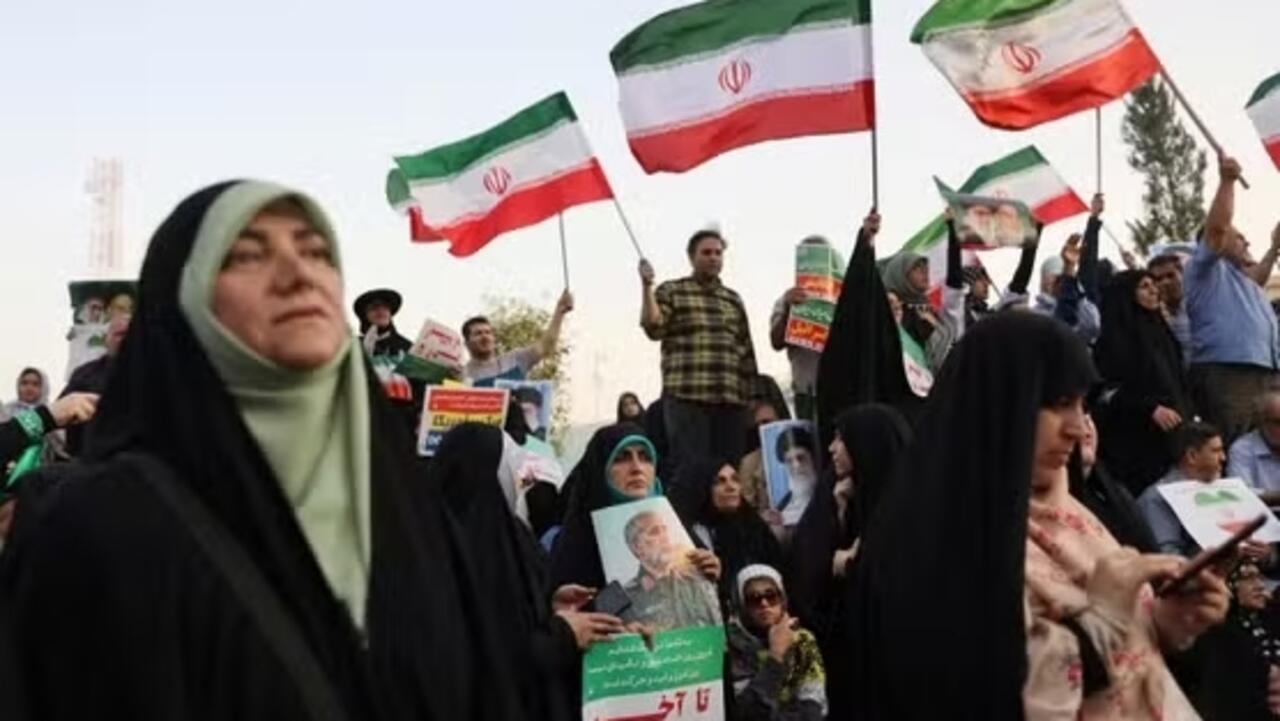
Trump Calls Iran’s Response To U.S. Ceasefire Proposal ‘Totally Unacceptable’
Key Takeaways
- Trump calls Iran's ceasefire response totally unacceptable.
- Iran's response was delivered through Pakistani mediators.
- Iran's reply described as a 10-point ceasefire proposal.
Ceasefire tested in Lebanon
President Donald Trump called Iran’s response to the latest U.S. proposal to end the war “totally unacceptable,” as the back-and-forth followed an exchange of hostilities around the Strait of Hormuz and a ceasefire reached more than a month ago.
“What you need to know - US President Donald Trump rejects an Iranian plan to end the war, calling it 'totally unacceptable' - Tehran had sent a proposal earlier in the day via mediator Pakistan - Israel's Benjamin Netanyahu says war is not over because Iran still has enriched uranium - Drone hit cargo vessel in Qatari waters - The UAE and Kuwait say they came under drone attack - Israel and Iran-backed Hezbollah exchange strikes despite their ceasefire Welcome to DW's coverage of the Iran war and its impact on the wider Middle East and around the world on the weekend of, May 9 - 10, 2026”
The Washington Post reported that Tehran said, through state media, that it sent a response to the peace plan through Pakistani mediators, while the Jerusalem Post said Iran’s official news agency IRNA reported the response was submitted to Pakistani mediators and focused on “ending the war in the region.”
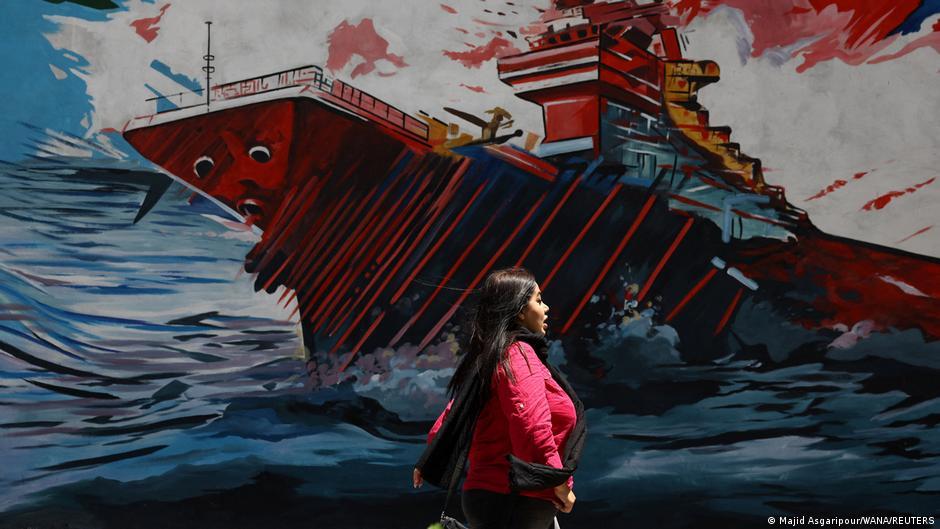
The Jerusalem Post further said Arab media outlets reported details placing a ceasefire in Lebanon and lifting restrictions on Iranian oil exports at the center of any future understanding with Washington.
In the same reporting, a diplomatic source speaking to Hezbollah-affiliated Al Mayadeen said Tehran’s proposal calls for an end to what it describes as the “siege” on the country and demands unrestricted Iranian oil exports, adding that a ceasefire in Lebanon is one of Iran’s “red lines” in the negotiations.
Competing interpretations emerge
DW reported that Israel’s Benjamin Netanyahu said the war is “not over because there’s still nuclear material, enriched uranium, that has to be taken out of Iran,” and Netanyahu added, “We’ve degraded a lot of it, but all of that is still there and there’s work to be done.”
DW also said Trump rejected an Iranian plan to end the war, quoting Trump’s Truth Social post: “I have just read the response from Iran’s so-called 'Representatives.' I don't like it — TOTALLY UNACCEPTABLE!”
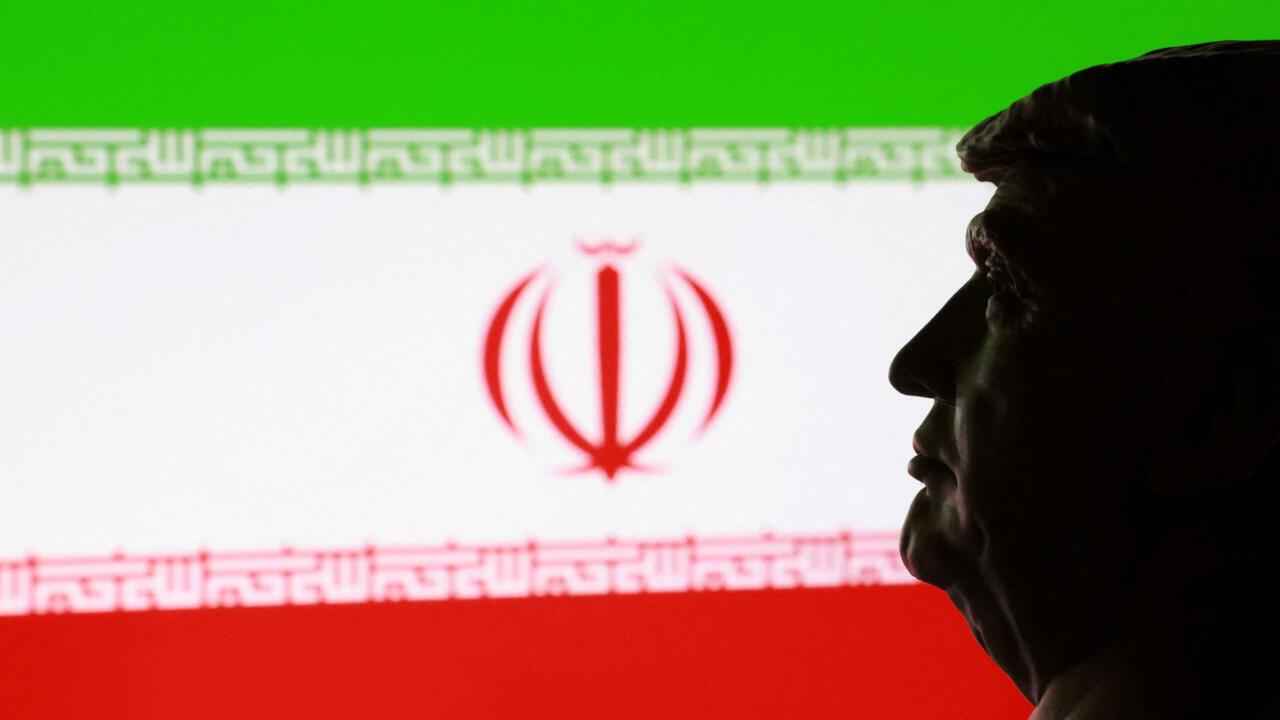
Al Hurra described the ceasefire as unraveling over the issue of Lebanon, saying Iran says the ceasefire covers Lebanon while the United States says it does not cover it and “Israel is bombing it anyway.”
In the same Al Hurra account, a White House official told Al Hurra’s Washington bureau that “ceasefires never go cleanly,” and said “the agreement covers the Iranian arena, not Lebanon,” while Vice President J.D. Vance had previously said the Iranians thought the ceasefire covered Lebanon but “it did not.”
What’s at stake next
Al Hurra said the talks scheduled for Friday in Islamabad were meant to put an end to a forty-day war, but that the core starting point has become Lebanon, with the dispute threatening to end the negotiations before they officially begin.
“Iran's Ten Conditions for a Ceasefire: Control of the Strait of Hormuz and Transit Fees”
The same report said Israel announced that the agreement does not cover Lebanon and carried out “the heaviest bombardment on the country since the war began,” targeting more than 100 targets in a single day, while at least 230 were killed and more than 1,000 wounded.
Al Hurra quoted the Lebanese president describing what happened as a “massacre,” and it said Mohammad Bagher Qalibaf, head of the Iranian negotiating team, told The Dawn that three provisions of the Iranian ceasefire framework had “frankly and clearly” been violated.
Mehr News Agency said Iran’s response, sent through a Pakistani mediator, contained a clause related to a ceasefire in Lebanon and called it a redline, while also emphasizing the lifting of U.S. sanctions and the release of Iran’s frozen assets and specifying Iranian management of the Strait of Hormuz within the framework of the proposed understandings.
More on Lebanon
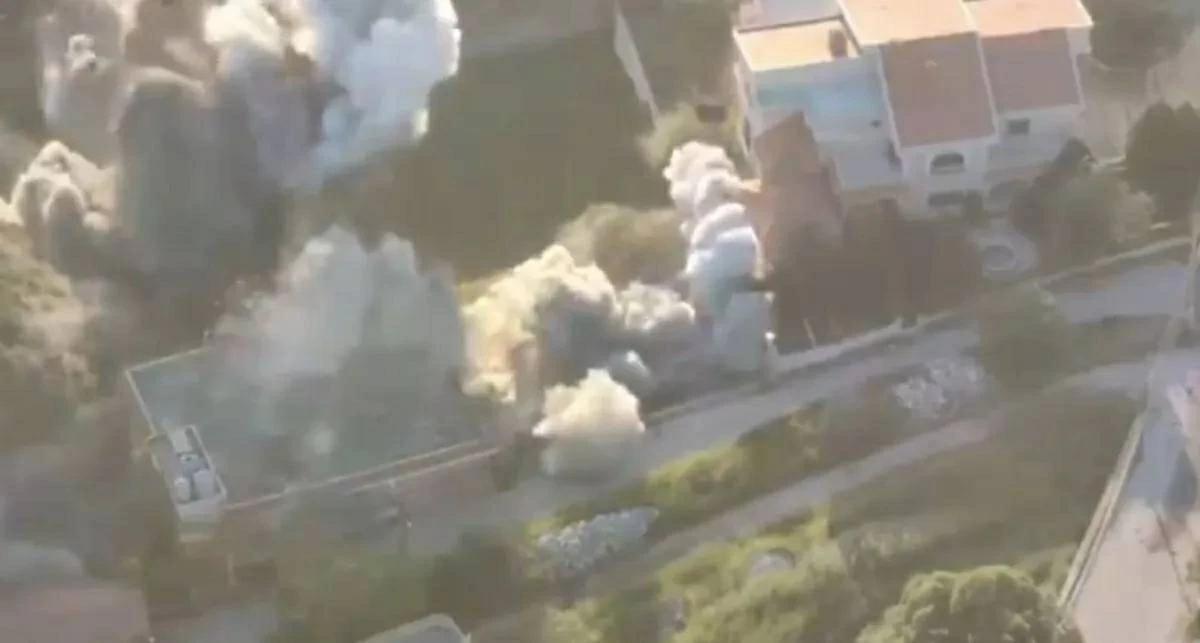
Israeli Attacks Kill 51 in Lebanon, Including Two Medical Workers
10 sources compared
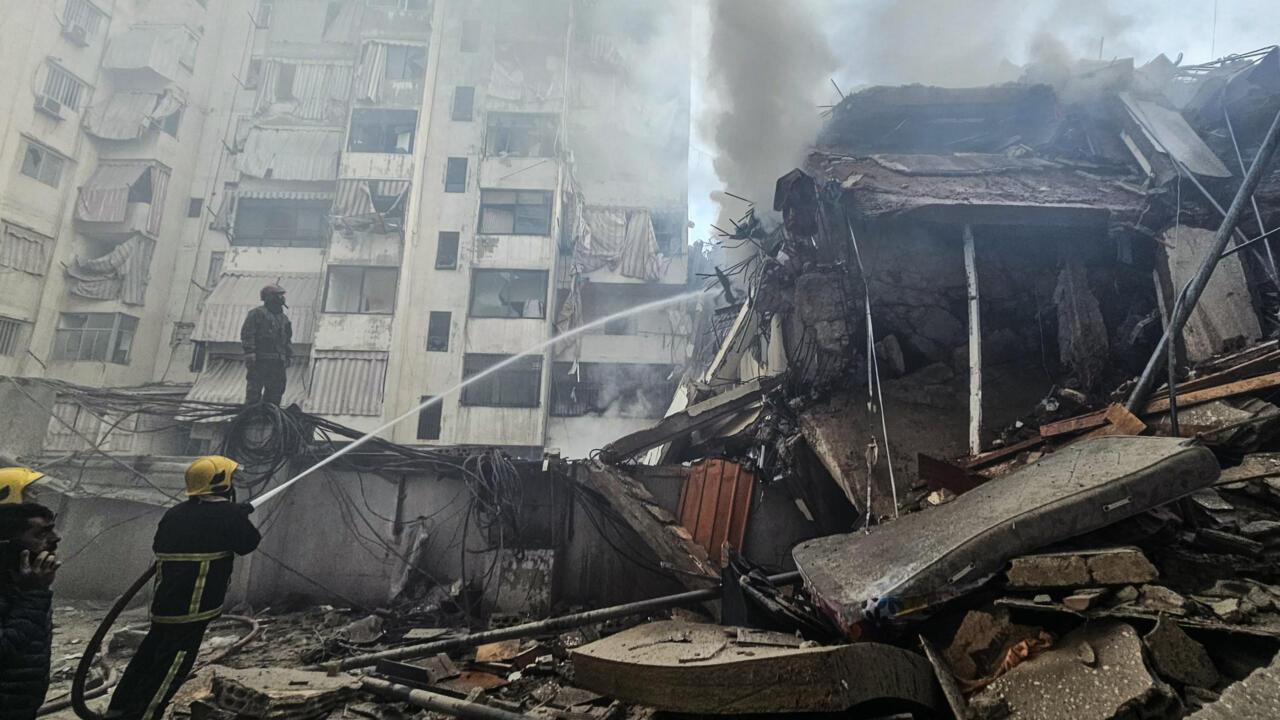
Israeli Attacks Kill 51, Including Two Medical Workers, In Lebanon’s Qalawiya And Tibnin
18 sources compared
Hezbollah Destroys Four Israeli Merkava Tanks After IED Explosion Near Deir Srian
14 sources compared
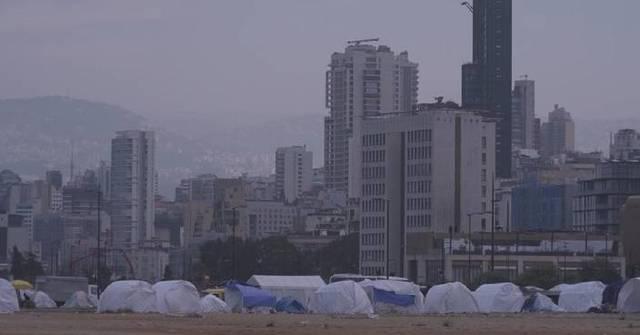
EU Crisis Chief Hadja Lahbib Says Israeli Activity Restricts Humanitarian Aid Access in Lebanon
12 sources compared