Full story
Trump adds Israel condition
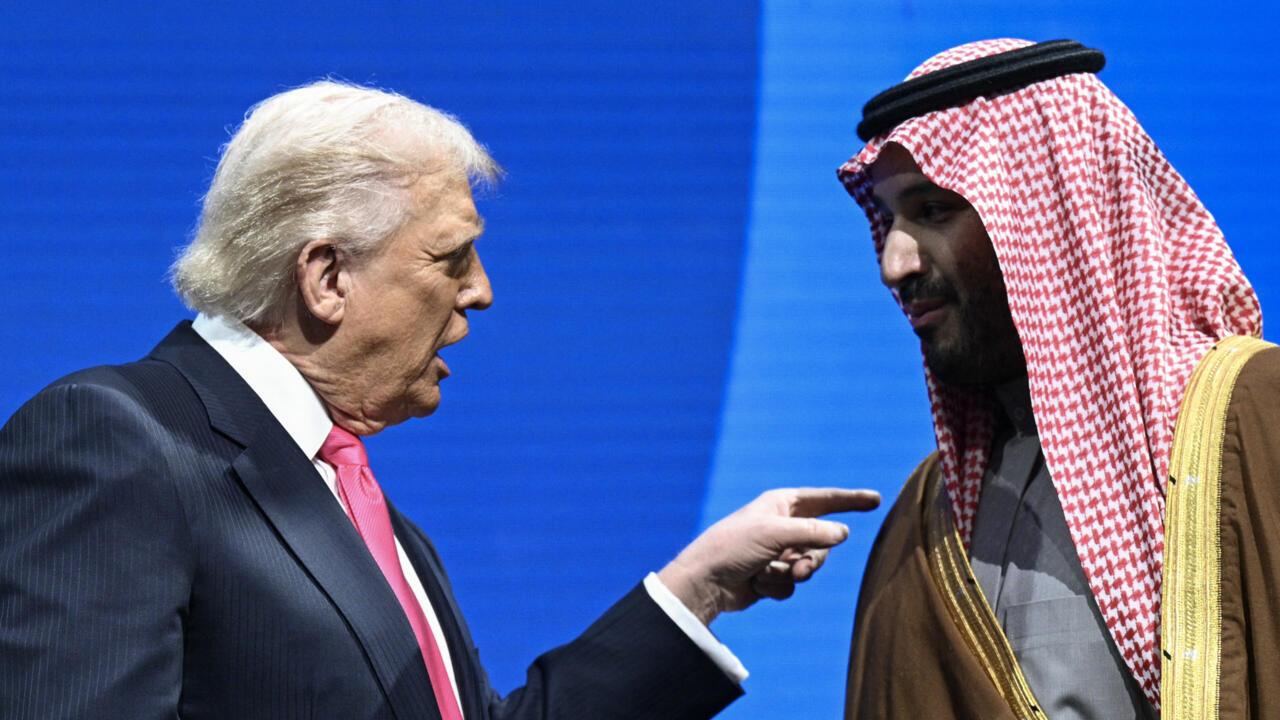
President Donald Trump said on Thursday, July 23 on his Truth Social network that a civil nuclear deal between the United States and Saudi Arabia was "entirely conditioned" on Saudi Arabia's ratification of the Abraham Accords, thereby recognizing the State of Israel.
The BFM report said Trump announced that the agreement "will be approved, but it is entirely conditioned on Saudi Arabia's adherence to the highly respected and fruitful Abraham Accords," while an office of Israeli Prime Minister Benjamin Netanyahu called the recognition a "historic milestone for peace in the Middle East."

The NPR report said Trump added that the nuclear energy deal "will be approved, but is totally subject to Saudi Arabia joining the very respected and successful Abraham Accords," marking a turn a day after the administration announced the signing without mentioning the precondition.
NPR reported that White House press secretary Karoline Leavitt said Trump did not speak to Saudi leadership before posting the condition on social media, but said he has previously spoken about the importance of joining the Abraham Accords with Gulf and Arab allies.
The NPR account said the nuclear cooperation agreement was signed on Wednesday by U.S. Energy Secretary Chris Wright and Saudi Energy Minister Prince Abdulaziz bin Salman, and that the administration says it will submit the deal to Congress, which has 90 days to review it.
Backlash and competing claims
CNN reported that Trump posted on social media that while the deal "will be approved" it "is totally subject to Saudi Arabia joining the very respected and successful Abraham Accords," following sharp political backlash to the deal’s announcement on Wednesday in Israel and from some of its backers in the US Congress.
CNN also quoted Energy Secretary Chris Wright telling Fox Business on Wednesday that "On President Trump’s agenda, the Middle East has been commerce, not conflict," while critics feared the agreement could eventually deliver the Saudis to the point where they could enrich higher-grade uranium for a nuclear bomb.
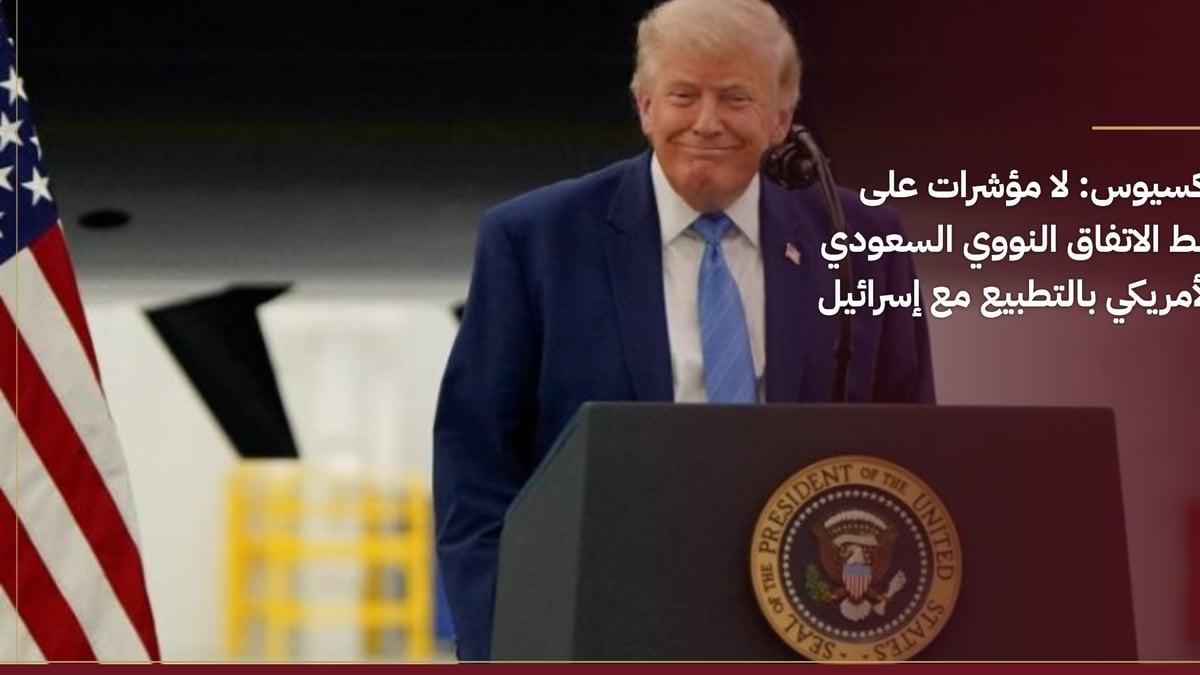
NPR reported that Steven Cook, senior fellow for Middle Eastern studies at the Council on Foreign Relations, said, "Does a social post supersede a signed diplomatic agreement?" and added that "No one in Washington really knows how it's going to work."
The NPR report said White House press secretary Karoline Leavitt told reporters that the deal is contingent on the condition "so, we'll continue to talk with our Saudi counterparts to get the deal finalized and hopefully see them join the Abraham Accords very soon," while Israeli Prime Minister Benjamin Netanyahu welcomed the condition in an online statement.
The Fox 10 News account said Trump posted on Truth Social that the nuclear deal "will be approved, but is totally subject to Saudi Arabia joining the very respected and successful Abraham Accords," and said Netanyahu called the step "a historic leap forward."
Congress, enrichment fears
The NPR report said the administration says it will submit the deal to Congress, which has 90 days to review it, and that Congress can object but would need a two-thirds majority to override a likely presidential veto.
NPR also reported that Yoel Guzansky, a senior researcher at the Institute for National Security Studies in Israel, said he was alarmed that the agreement appeared to let Saudi Arabia enrich its own nuclear fuel in-country, adding, "Saudi insistence on enrichment in Saudi Arabia ... was the thing that got [previous] negotiations stuck."
In the same NPR account, Matthew Bunn, a nuclear proliferation expert at Harvard University, told NPR that Saudi Arabia wants "the foundation, over time, for having more options to move toward nuclear weapons," while the report said Trump emphasized in his Truth Social post Thursday, "There will be no enrichment of material!"
The La Croix report said U.S. Secretary of State Marco Rubio stated that the United States will never enter into an agreement with any country that would pose a risk of nuclear weapons proliferation, and it described the agreement as opening the way for nuclear power plants in a country that relies on gas- and oil-fired plants.
The DW report said the Wall Street Journal noted a provision stating that American companies would build a uranium enrichment facility in Saudi Arabia if a joint study concluded it was warranted, while it said the agreement does not include the 'golden standard' or the 'Additional Protocol' that would impose broader international oversight.