
Trump Criticizes German Chancellor Friedrich Merz Over Iran Negotiations Humiliation Remarks
Key Takeaways
- Merz said Iran is humiliating the U.S. in negotiations to end the war.
- Trump slammed Merz on Truth Social, saying Iran having a nuclear weapon is unacceptable.
- European leaders, including Germany, show skepticism about fully backing the Iran war.
Trump-Merz Clash
U.S. President Donald Trump criticized German Chancellor Friedrich Merz over the war in Iran after Merz said the Iranians were humiliating the Americans in negotiations to end the conflict.
“President Donald Trump has hit out at Germany’s Friedrich Merz over the chancellor’s criticism of the United States-Israeli war on Iran, stressing that the conflict was necessary to prevent Tehran from obtaining a nuclear weapon”
In a Truth Social post, Trump wrote: "The Chancellor of Germany, Friedrich Merz, thinks it’s OK for Iran to have a Nuclear Weapon. He doesn’t know what he’s talking about!"
Trump also added: "If Iran had a Nuclear Weapon, the whole World would be held hostage."
Merz, for his part, said on Monday that Iran’s leadership was humiliating the United States and that U.S. officials were being sent to Pakistan only to leave without results.
Speaking during a talk to students in Marsberg, Merz said: "The Iranians are obviously very skilled at negotiating, or rather, very skilful at not negotiating, letting the Americans travel to Islamabad and, then, leave again with no results."
Merz added: "An entire nation is being humiliated by the Iranian leadership, especially by those so-called Revolutionary Guards."
Trump’s criticism came as Merz also questioned what exit strategy the U.S. was pursuing in the Iran war, underscoring divisions between Washington and its European NATO allies.
Negotiations and Cancellations
The dispute unfolded against a backdrop of stalled U.S.-Iran diplomacy and abrupt changes to planned talks.
Merz said the Iranians were letting Americans travel to Islamabad and then leave again without any result, describing it as humiliation of the U.S. in negotiations.

The International Business Times reported that the Trump administration announced it would send special envoys Steve Witkoff and Jared Kushner to Pakistan to meet with Iranian Foreign Minister Abbas Araghchi, but Araghchi left before they arrived and Trump canceled the trip.
Trump said: "I see no point of sending them on an 18-hour flight in the current situation. It's too long. We can do it just as well by telephone. The Iranians can call us if they want. We are not gonna travel just to sit there."
The Guardian also described a chaotic weekend in which Trump canceled a trip by U.S. negotiators to Islamabad for indirect talks with an Iranian delegation.
It noted that a previous round in Islamabad two weeks earlier, when JD Vance led the U.S. delegation, broke up without progress.
In the same period, Iran’s Foreign Minister Abbas Araghchi traveled to Russia on Monday after failed negotiations in Pakistan and Oman and met with President Vladimir Putin, according to Folha de S.Paulo and the Guardian.
The Guardian further reported that Iran put forward a new proposal on Monday for a ceasefire deal focused on opening the strait of Hormuz, setting aside discussions on nuclear weapons, missiles, sanctions and other issues for later.
Merz’s Economic and Exit Critique
Merz’s comments tied the diplomatic breakdown to Germany’s economic strain and to what he described as the U.S. lacking a clear exit strategy.
CNBC reported that Merz said the U.S. was being "humiliated" by the Iranian regime and that the comments reflected frustration that the Iran conflict was undermining the German government’s efforts to bolster Germany’s flagging economy.
CNBC quoted Merz saying: "The problem with conflicts like these is always the same" and that "you also have to get out," adding: "We saw that all too painfully in Afghanistan, for 20 years. We saw it in Iraq."
The Hill similarly reported that Merz told students that the "Americans clearly have no strategic plan," and it quoted him saying: "Especially since the Iranians are negotiating very skillfully — or rather, very skillfully not negotiating," and then letting Americans travel to Islamabad and send them back without results.
The Hill also reported Merz’s position on minesweepers, saying Germany is willing to deploy minesweepers to aid reopening the Strait of Hormuz but only when the fighting stops.
In Folha de S.Paulo, Merz said he did not see what exit strategy the U.S. was pursuing in the Iran war, and it described his remarks as underscoring deep divisions between Washington and its European NATO allies.
The same Folha de S.Paulo account said Trump had been expressing dissatisfaction with NATO for what he considers a lack of support in the conflict with Iran and threatened to leave the military alliance.
NTD News added that Merz said in Germany and Europe they were suffering consequences such as the closure of the Strait of Hormuz, and it quoted him saying: "This has a direct impact on our energy supply and a huge impact on our economic performance."
Diverging Frames of the Same Fight
The sources frame the Trump-Merz exchange differently, even when quoting the same core remarks about humiliation and negotiations.
CNBC presents Merz’s comments as reflecting European patience waning and as frustration over economic consequences, while also quoting Jens Stoltenberg warning that wars are dangerous and can escalate.

It also reports that Ursula von der Leyen said the EU had to pay 25 billion euros more for oil and gas imports since the start of the Iran war, and it quotes Trump telling Fox News: "We have all the cards," adding that if Iran wanted to talk, "they can come to us, or they can call us."
Politico, by contrast, emphasizes that Merz’s criticism marked some of his fiercest criticism yet and highlights that Germany rejected U.S. calls for NATO to join the conflict, insisting it "is not NATO’s war," while leaving open a limited role to secure the Strait of Hormuz including use of German minesweepers only once fighting ends.
Politico also quotes Merz saying: "The Iranians are clearly stronger than expected and the Americans clearly have no truly convincing strategy in the negotiations either," and it adds that Merz warned the U.S. "quite obviously went into this war without any strategy."
Al Jazeera frames Trump’s response as stressing the conflict was necessary to prevent Tehran from obtaining a nuclear weapon and describes Merz’s assessment as a blunt departure from hawkish pro-Israel policies, quoting Merz calling the military campaign "ill-considered".
It also states that Trump has been arguing the war aims to prevent nuclear weapons and that Trump’s own intelligence chief, Tulsi Gabbard, told Congress last year that Tehran is not building one.
Meanwhile, Folha de S.Paulo focuses on Trump’s criticism of Merz and says Trump distorted Merz’s position in a Truth Social post, while also describing Merz’s skepticism about the U.S. exit strategy and the cancellation of a visit by envoys Steve Witkoff and Jared Kushner to Islamabad.
What’s at Stake Next
The sources describe immediate stakes centered on the Strait of Hormuz, the economic costs of the blockade, and the uncertainty of whether negotiations can restart.
CNBC says the strategic waterway has remained virtually shut since early March, causing disruption to energy supplies and market insecurity, and it reports that the EU and U.K. are hit hard as they bolster oil and gas supplies from producers outside the Middle East like the U.S. and Norway.
It also reports that last Friday Ursula von der Leyen said the EU has had to pay 25 billion euros ($29.2 billion) more for oil and gas imports since the start of the Iran war.
CNBC adds that negotiations were due to travel to Islamabad for more talks last weekend but Trump canceled the trip, and it quotes Trump: "We have all the cards," adding that if Iran wanted to talk, "they can come to us, or they can call us."
The Hill reports that Trump told reporters on Saturday that Iran “gave us a paper that should have been better,” and that 10 minutes after he canceled Witkoff and Kushner’s trip, “we got a new paper that was much better,” according to Bloomberg.
The Hill also reports Trump said Tuesday that Iran told the U.S. it is in a "State of Collapse" and wants the strait opened “as soon as possible,” as it tries to figure out its leadership situation.
The Guardian adds that Iran’s proposal would postpone negotiations on Tehran’s nuclear ambitions for later, and it reports that the UN’s International Maritime Organization rejected the idea of imposing fees on ships passing through the strait, quoting Arsenio Dominguez: “There’s no legal basis for the introduction of any tax, any customs, or any fees on straits for international navigation.”
In parallel, Folha de S.Paulo says the maritime route has been blocked by Tehran since the start of the conflict, causing market turbulence and a rise in world oil prices.
More on Iran

US Besieges Iranian Ports as Trump Mulls Extended Blockade, Driving Oil Prices Higher
10 sources compared

Oil Prices Surge as US Siege of Iranian Ports Threatens Strait of Hormuz Supply
11 sources compared
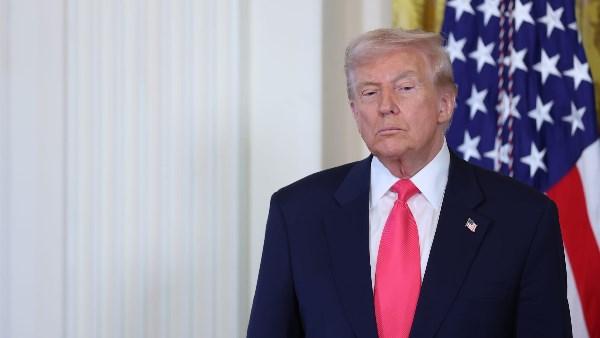
Trump Receives CENTCOM Briefing on Potential U.S. Military Action Against Iran Thursday
13 sources compared
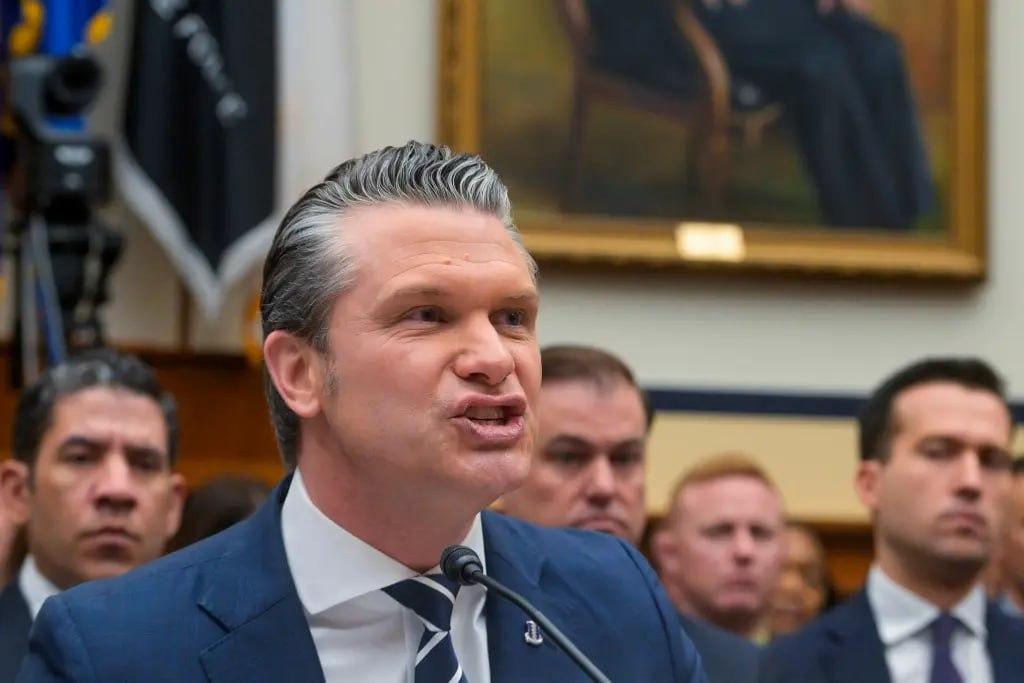
Pentagon Says Iran War Costs $25 Billion So Far, Acting Comptroller Jules Hurst III Tells Congress
37 sources compared