Full story
Ankara summit, unity tested
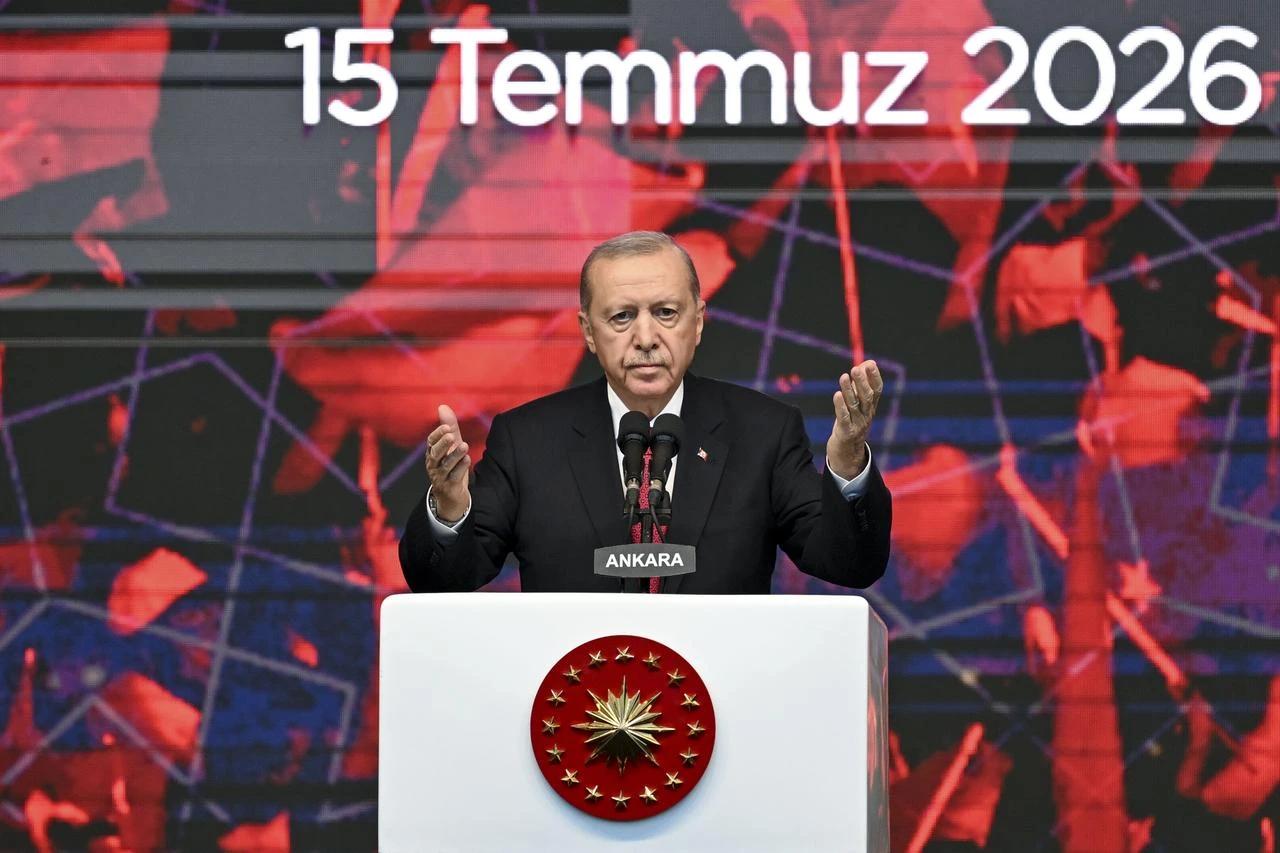
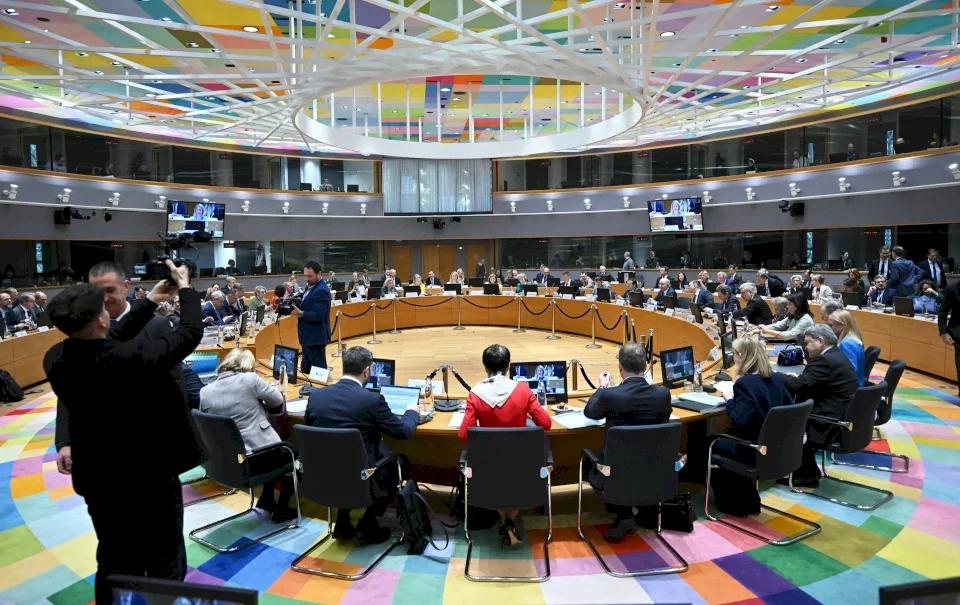
NATO concluded a two-day summit in Turkiye’s Ankara on Wednesday afternoon as members discussed defence budgets and support for Ukraine, while Donald Trump used the meeting to criticise NATO partners including Spain over defence spending and imposed a trade embargo on Spain.
“The NATO Summit in Ankara opens with the participation of 32 countries to discuss boosting defense spending, containing pressures from U”
Trump told reporters, “It was amazing, actually,” and said, “The unity in that room was incredible, really a love, it was sort of pretty wild.”
NATO leaders reaffirmed their “ironclad commitment” to the mutual assistance clause in Article 5, and the declaration included “more than $50 billion in new procurements” alongside a pledge of 70 billion euros ($80bn) in assistance to Ukraine.
NATO data cited by Al Jazeera said only five of its 32 members are projected to meet the alliance’s goal of spending 3.5 percent of their gross domestic product (GDP) on core defence in 2026.
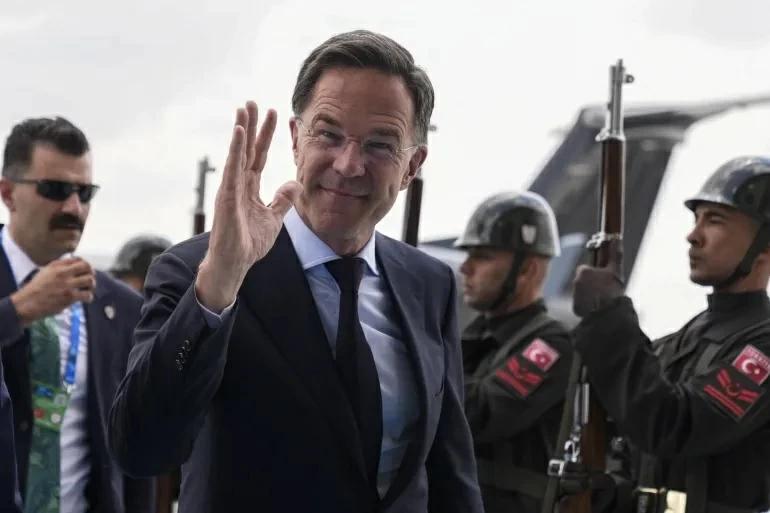
In the same Ankara setting, Trump also said he was “not happy with NATO” over Greenland and over what he said was NATO’s failure to help with Iran, while NATO Secretary-General Mark Rutte later said the message from the summit was simple: “NATO delivers.”
Spain, Greenland, and Ukraine
Trump ordered a trade embargo on Spain on Wednesday and asked Treasury Secretary Scott Bessent to “cut off all trade … including visits” with the country amid tensions over defence spending.
A US official told Reuters that the US Departments of the Treasury and Commerce and the Office of the US Trade Representative will work to present Trump with “a menu of Spanish products that may be embargoed in the coming days,” a framing that suggested a possible partial ban.

On Greenland, Trump said, “I’m not happy with NATO because of what they did with Greenland,” and Denmark’s Prime Minister Mette Frederiksen insisted her country is “ready to defend every inch of NATO including our own territory.”
For Ukraine, Trump said the U.S. will give Ukraine a license to make Patriot air defense systems to counter missile attacks from Russia, and he praised Volodymyr Zelenskyy as having “done an amazing job” and “been very effective” in the war.
NATO leaders also agreed on a 70 billion euro ($80 billion) package of military support for Ukraine both this year and in 2027, with the figure described as involving 30 billion euros each year from a European Union loan program plus 40 billion euros from NATO allies.
What Europe must do next
As Trump pressed allies on defence spending and the alliance grappled with uncertainty about U.S. priorities, NATO Secretary-General Mark Rutte told Trump, “Grab the win. It's there,” pointing to countries including Estonia, Latvia, Poland and Denmark investing more in defense.
NPR reported that NATO’s European members plus Canada scrambled to meet increased defence spending targets, and that Rutte said the Trump administration expects “the Europeans and Canadians will equalize their spending with the United States.”
The stakes for European security were underscored by Al Jazeera’s note that only five of NATO’s 32 members are projected to meet the 3.5 percent GDP goal in 2026, even as European leaders showcased “more than $50 billion in new procurements” at the summit.
For Ukraine, the next phase hinged on the alliance’s ability to sustain support, with NATO leaders pledging 70 billion euros ($80bn) in assistance to Ukraine while Trump said he would “work on some kind of security package” to provide to Ukraine.
In the background of the transatlantic dispute, Al Jazeera quoted Jolyon Howorth saying, “there is little unity, either within Europe or between the Atlantic partners, as to the way forward with Ukraine,” even as leaders projected consensus on Article 5 and defence spending.