USA · 15 June, 2026 · 2 min read
Trump Criticizes Netanyahu After Beirut Strike Nearly Derails U.S.-Iran Deal
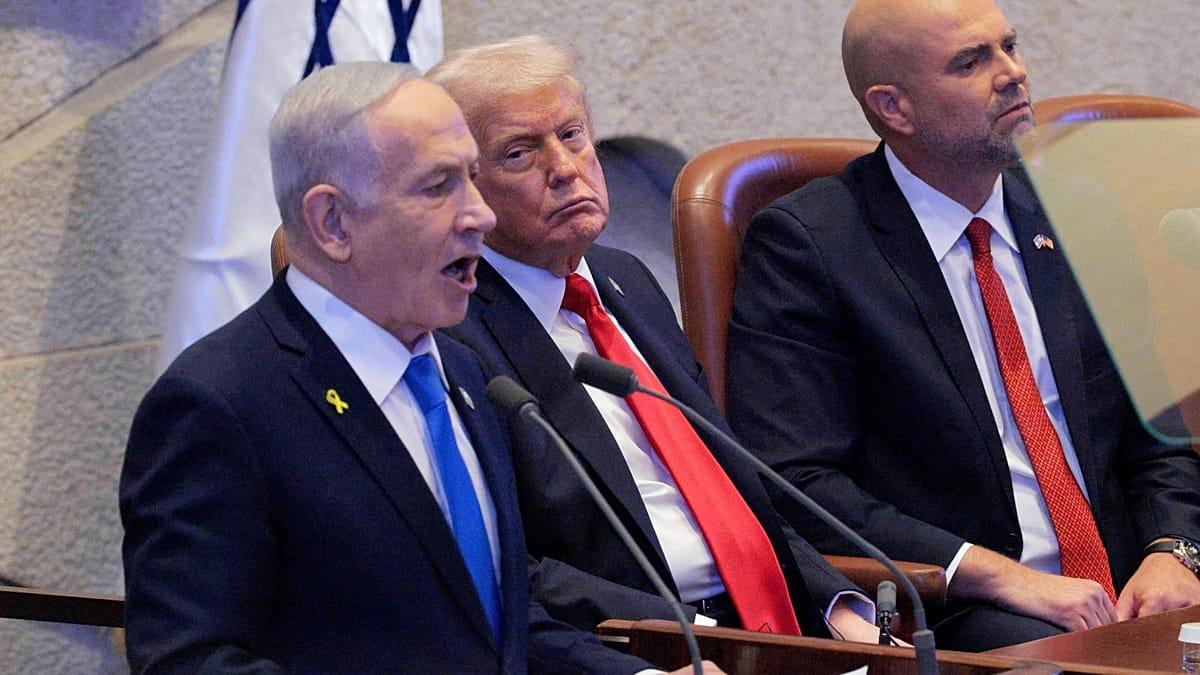
Trump–Netanyahu rift over Iran policy widens amid negotiations. The U.S.–Iran deal is in final stages and could be enacted within days.
Who sabotaged negotiations via the Beirut strike?.
10 of 12 outlets skipped it: trump said he told Netanyahu to use reason before signing..
17outlets compared
Same story, two versions
tap a side to read it in full
Ttabnak
“the war and military operations on all fronts… end immediately and permanently”Read the original ↗
One frames intent to derail talks; the other stresses the agreement’s immediate end-state.
Beirut strike derails talks
President Donald Trump criticized Israeli Prime Minister Benjamin Netanyahu over a strike on Beirut that “nearly derailed a U.S.-Iran peace deal,” with Trump telling Axios that “An hour before we are supposed to sign the deal,” Israel carried out the attack.
““An hour before we are supposed to sign the deal,” Trump said”
The U.S. and Iran announced a framework agreement on June 14, 2026, ending more than three months of war that had disrupted global shipping, and the memorandum of understanding is scheduled for formal signing on June 19 in Switzerland.

The interim agreement calls for reopening the Strait of Hormuz immediately and includes a 60-day ceasefire during which the U.S. and Iran will negotiate a final deal addressing Iran’s nuclear program, while Trump said the Strait would be “open to all” with no tolls.
Reuters reported that Israel’s defense minister, Israel Katz, said Israeli troops would remain deployed in buffer zones Israel has seized in Lebanon, Syria and Gaza “indefinitely,” and Katz warned, “If Iran attacks Israel due to the events in Lebanon – we will attack it with all our might.”
Trump and Netanyahu clash
Trump’s frustration with Netanyahu was captured in a Reuters account of an earlier phone call in which Trump called Netanyahu “fucking crazy” and ordered him not to strike Beirut while negotiations were underway.
In the same dispute, a source familiar with the matter told Ynetnews that Trump viewed the Beirut strike as “a maneuver reflecting ingratitude,” adding, “He realized that Bibi's outlook is not his outlook.”

Reuters also reported that Israeli officials believe the 60-day negotiating period will likely be extended, tying Israel’s hands from military action while security concerns remain unresolved.
Dan Shapiro, a former U.S. ambassador to Israel now with the Atlantic Council think tank, told Reuters that Netanyahu will likely “indicate Israel is not bound by it, and Israel reserves its rights” rather than openly oppose the deal and risk a confrontation with Trump.
What’s at stake next
The U.S.-Iran framework agreement is set to be signed on June 19 in Switzerland, and Washington says that over the next 60 days, when a ceasefire is in place, it will negotiate full terms addressing U.S. and Israeli concerns, especially over Iran’s nuclear programme.
“The preliminary agreement is "terrible for Israel," said one senior Israeli official”
Reuters reported that Israeli officials expect the negotiating period to be extended, limiting Israel’s ability to undertake military action while their concerns remain unresolved, and the same reporting said Netanyahu and Trump have repeatedly clashed over Israel’s refusal to constrain its pursuit of Iran-backed Hezbollah in Lebanon.
In Israel’s public posture, Netanyahu said at a press conference in Jerusalem late on Monday, “He is the president of the United States, I am the prime minister of Israel,” and he added, “I am in charge of Israel's security interests.”
CNN Arabic’s Oren Lieberman said Netanyahu posted a birthday message for Trump on X and then offered no public comment on the memorandum of understanding, describing it as “bad for Israel and for the entire free world” and “does not guarantee our security.”