Full story
Ceasefire declared over
President Donald Trump declared the U.S.-Iran ceasefire “over” on Wednesday at a NATO summit in Ankara, just three weeks after signing an interim peace framework, as tensions over the Strait of Hormuz escalated into the fiercest military exchange since the truce began in April.
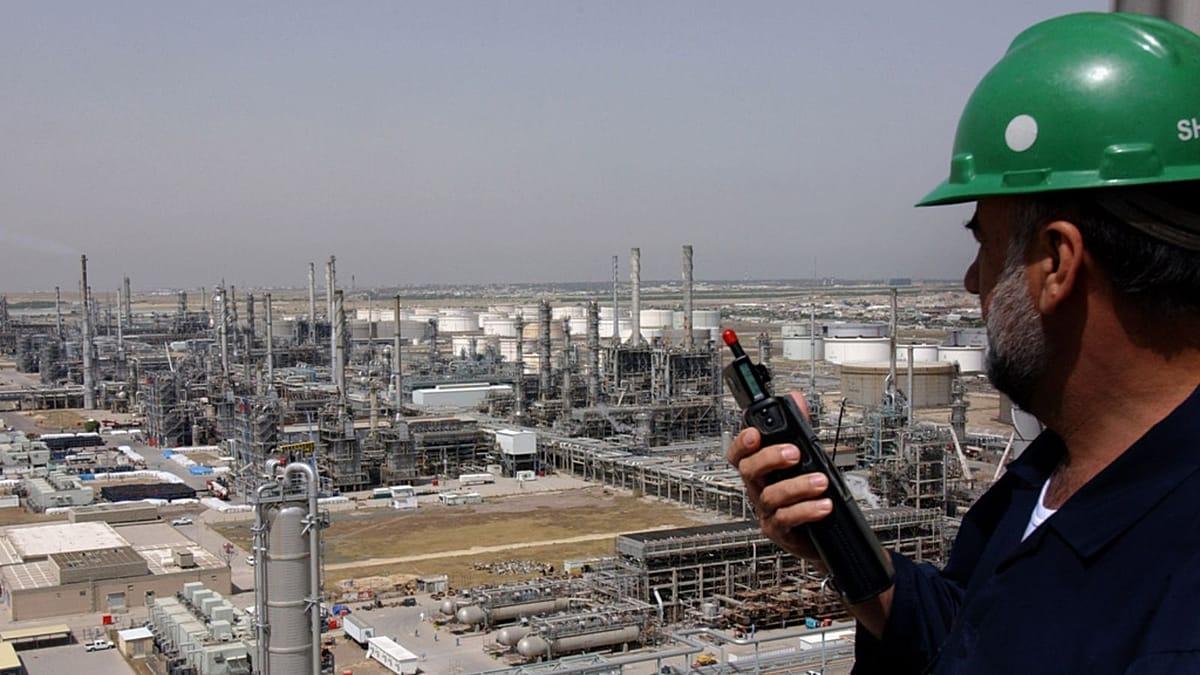
The escalation began Tuesday when Iran attacked three commercial vessels transiting the Strait of Hormuz near Oman—the Qatari liquid gas carrier al Rekayyat, the Saudi crude tanker Wedyan, and the Liberian-flagged Cyprus Prosperity—before the U.S. responded early Wednesday with strikes on 80 Iranian targets, including air defense systems, radars, and small boats used by Iran’s paramilitary Revolutionary Guard Corps, according to U.S. Central Command.
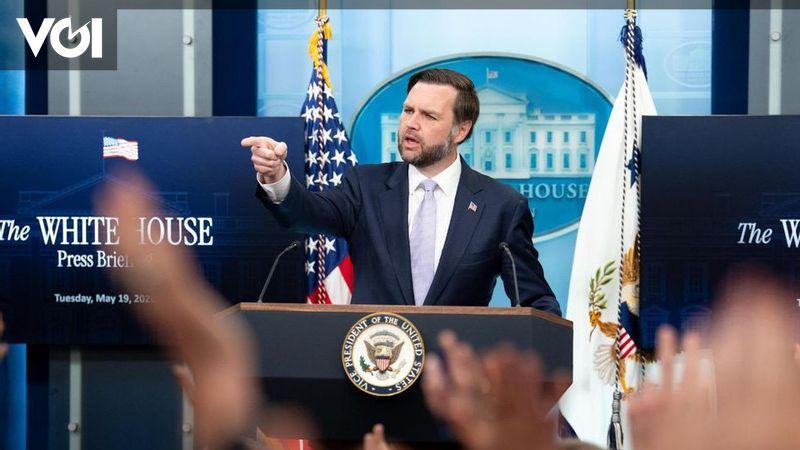
Speaking to the press from Turkey, Trump described Iranian leaders as “sick people” and “liars,” and threatened further strikes, saying “We’re going to hit them hard tonight,” while suggesting the U.S. could take control of Kharg Island in the strait.
The June memorandum of understanding left Iran in control of the strait for a minimum of 30 days, with Iran obligated to use its best efforts to restore shipping traffic to pre-war levels and clear mines, but Iranian officials asserted the U.S. was violating the agreement by attempting to open new shipping lanes without Iranian permission, particularly a southern route near the Omani coast sponsored by Washington.
Qatar, which had been mediating the talks between Washington and Tehran, summoned the Iranian deputy ambassador in Doha to demand an explanation after al Rekayyat was struck, as the military exchanges unfolded while Iran buried its assassinated supreme leader, Ali Khamenei, with millions attending a days-long funeral.
Hormuz dispute drives escalation
At the center of the breakdown was a fundamental disagreement over control of the Strait of Hormuz, with the June memorandum of understanding leaving Iran in control for a minimum of 30 days while requiring Iran to use its best efforts to restore shipping traffic to pre-war levels and clear mines.
Iran demanded that all commercial ships use only Iranian-approved routes and proposed charging fees for providing security, a proposal the U.S. dismissed as a protection racket and a violation of international maritime law, while the U.S. asserted it was trying to open new shipping lanes without Iranian permission.

In a separate account of the same dispute, the CBS News report said the wording of Article 5 states, “the Islamic Republic of Iran will make arrangements using its best efforts for the safe passage of commercial vessels, with no charge for 60 days only,” and described how Iran believed the language meant ships should only follow its route hugging the Iranian coast while the U.S. offered a separate route through the strait along the Omani coast.
The CBS report also said the discrepancy caused Iran to target ships on the southern route with missiles and drones, and it added that Iran said it should be able to charge a fee for transit of the strait after 60 days, which the U.S. said it will not allow.
In the ABC News timeline, the ceasefire teetered toward collapse after the U.S. completed a second round of strikes in retaliation for Iranian strikes on commercial vessels transiting the Strait of Hormuz, and it noted that the U.S. widened the geographic scope of its air campaign to include the southern and northeast parts of the country and hit two bridges, according to Iran's Ministry of Foreign Affairs.
Threats, talks, and next risks
As the standoff intensified, President Donald Trump threatened to “decimate and destroy” Iran if the regime made an attempt on his life, and he added that “1000 Missiles are Locked and Loaded and aimed at the Islamic Republic of Iran” should it carry out an assassination attempt.
Iran’s supreme leader vowed revenge for his father’s death, and the CBS News report said Iranian officials privately told Mr. Trump advisers that the earlier attacks on commercial ships in the Strait of Hormuz stemmed from an “errant” sect of hardliners trying to undermine negotiations.
Even as the ceasefire was declared “over,” the NBC News report said Trump wrote on Truth Social that “The Islamic Republic of Iran has asked us to continue ‘talks.’ We have agreed to do so,” while also stating that “the United States has stated to them, in no uncertain terms, that the Cease Fire is OVER!”
NBC News also reported that Qatari negotiators were meeting officials in Iran on Friday to seek to de-escalate tensions and to discuss navigation through the Strait of Hormuz, after the U.S. hit Iranian sites and Iran responded with strikes on U.S. military installations in neighboring Gulf states on Thursday.
The France 24 report said the U.S. launched fresh air strikes on Iran early Thursday and that Tehran responded by firing missiles at Bahrain, Qatar, Kuwait and Jordan hosting U.S. military forces, while it also reported that in Iran “the two days of American air strikes have killed at least 14 people and wounded another 78,” according to Iran’s Health Ministry.