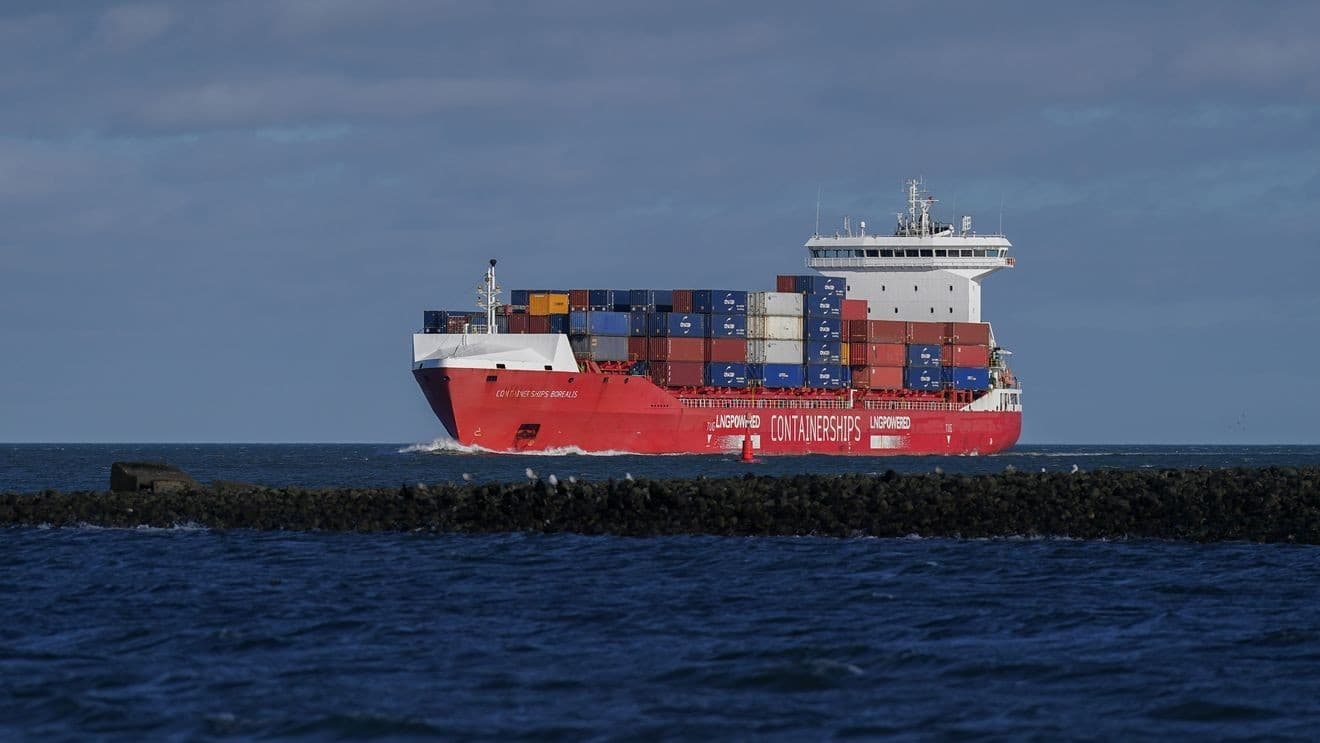
Trump demands about seven countries send warships to keep the Strait of Hormuz open
Key Takeaways
- Trump said about seven countries were asked to join a naval coalition to secure Hormuz.
- Allies hesitated or offered no commitments to deploy naval forces.
- China may be constructive partner in reopening the strait, but no participation commitments.
Trump's Hormuz Coalition Demand
President Donald Trump has demanded approximately seven countries send warships to form a coalition to keep the Strait of Hormuz open amid escalating tensions with Iran.
“United States President Donald Trump has said “numerous countries” have told him “they’re on their way” following his appeal for an international naval coalition to secure the Strait of Hormuz amid the US-Israel war on Iran”
Oil prices have surged 40-50% during the ongoing conflict as Iranian attacks on ships continue.

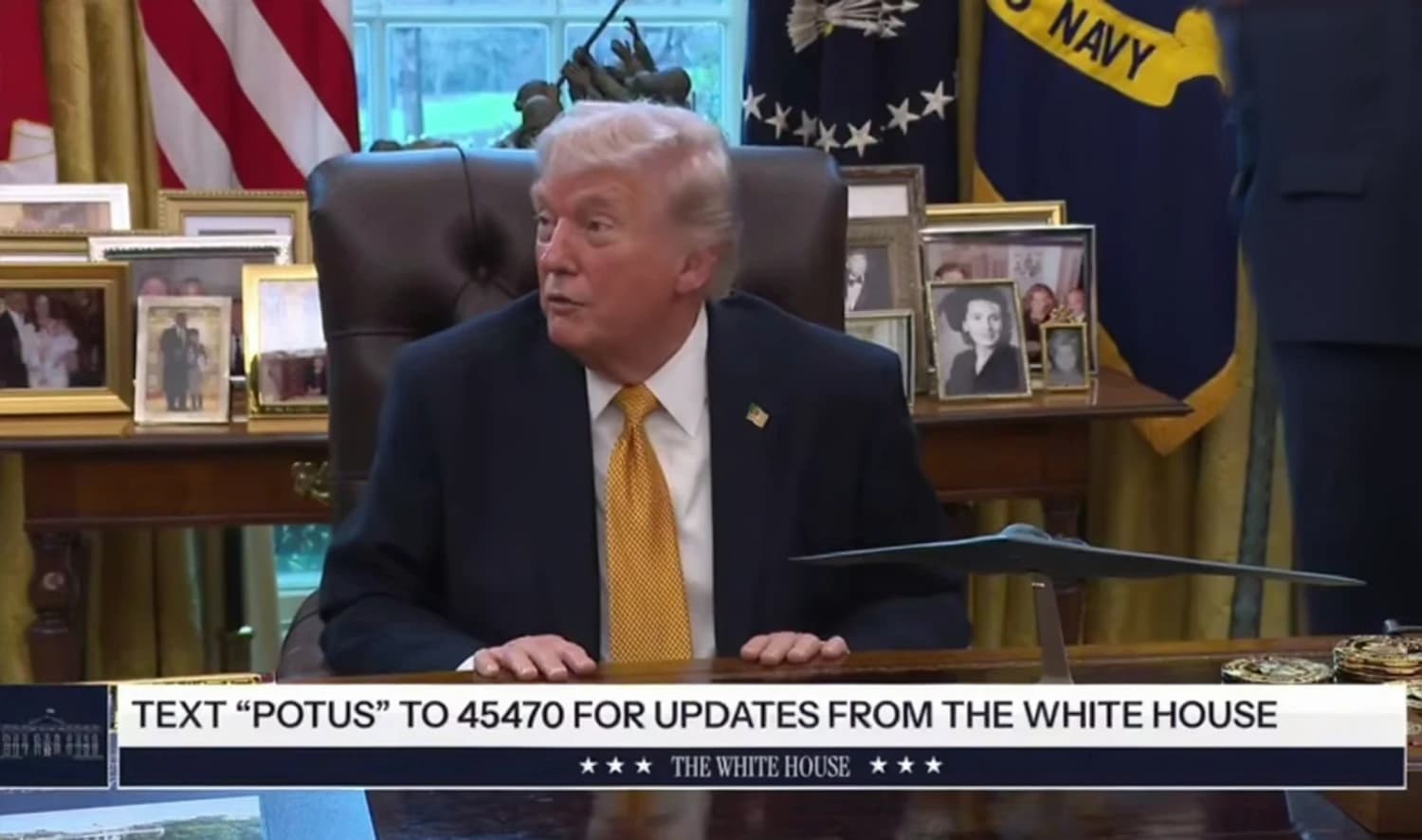
Speaking aboard Air Force One, Trump specifically identified China, France, Japan, South Korea, and the United Kingdom as nations that should join the effort.
The president argued that countries heavily reliant on Middle East crude must protect their own energy interests.
Trump claimed the United States has minimal reliance on the strait for its oil supplies.
He has linked this coalition formation to his upcoming summit with Chinese President Xi Jinping.
Global Rejection of Demands
International allies have largely rejected Trump's demands for military participation in the Strait of Hormuz.
Multiple European and Asian nations have explicitly declined to send warships.
Germany has been particularly firm in its opposition, with Defense Minister Boris Pistorius declaring 'this is not our war, we have not started it.'
Chancellor Friedrich Merz's spokesperson Stefan Kornelius emphasized that 'as long as this war continues, there will be no involvement.'
Similar rejections came from Australia, Japan, Spain, Italy, Poland, Sweden, and Luxembourg.
Italian Deputy Prime Minister Matteo Salvini stated 'Italy is not at war with anyone and sending military ships in a war zone would mean entering the war.'
Japan cited constitutional constraints limiting overseas military deployments.
Australia indicated it had not even been asked to participate and had no plans to contribute ships.
Energy Crisis and Market Impact
The Strait of Hormuz, one of the world's most critical energy chokepoints, has effectively come to a standstill.
“Now we'll see if they help us”
Civilian tankers have completely halted passage due to Iranian ballistic missile and drone attacks.
The narrow waterway carries about 20-30% of global oil consumption.
Iran effectively closed the trade route in response to the American-Israeli assault launched last month.
This disruption has sent global oil prices soaring from roughly $70 before the war to over $100 per barrel.
The price surge creates significant economic concerns across Europe, Asia and North America.
In response, the International Energy Agency announced emergency oil stocks totaling nearly 412 million barrels 'will soon start flowing to global markets.'
Asian member countries plan to release stocks 'immediately,' while reserves from Europe and the Americas will be released 'from the end of March.'
Alternative Diplomatic Approaches
Despite widespread resistance to direct military involvement, some countries are exploring alternative approaches.
The United Kingdom has indicated willingness to provide mine-hunting drones while maintaining it would 'not be drawn into the wider war.'

Prime Minister Keir Starmer discussed the possibility of offering assistance to the region.
The European Union is considering expanding its Aspides mission, currently focused on protecting ships against Houthi attacks in the Red Sea.
EU foreign policy chief Kaja Kallas noted that all member states would have to agree on expanding operations to the Hormuz region.
Kallas also revealed she had discussed with the United Nations replicating the 'Black Sea Initiative' that allowed grain exports from Ukraine.
Chinese officials have been engaging in backchannel diplomacy.
China's Foreign Ministry called on all parties 'to immediately cease military operations' and indicated Beijing is 'in talks with the different parties in the war to work for the deescalation of the situation.'
Trump's Escalating Rhetoric
Trump has responded to the international resistance with escalating rhetoric.
He warned that NATO would face a 'very bad future' if allies decline to support the U.S. effort.

The president criticized allies for their reluctance, stating 'We're always there for NATO.'
Trump threatened consequences, declaring 'We will remember' in response to countries that refuse to participate.
He has made controversial claims about the effectiveness of U.S. military operations.
Trump stated that more than 100 Iranian naval vessels have been 'sunk or destroyed' since the war began.
He claimed a 90 percent reduction in Iran's ballistic missile launches and a 95 percent reduction in drone attacks.
However, Iranian attacks in the region have continued, with drone and missile strikes reported in Dubai and Israel.
More on USA

President Donald Trump Urges NATO Partners and China to Reopen Strait of Hormuz, Allies Alarmed
10 sources compared
President Donald Trump Says He Can Do Anything He Wants With Cuba.
12 sources compared

Trump says US could reach Cuba deal as Cuba power grid collapses under oil blockade
10 sources compared

President Donald Trump asks seven nations to join coalition to police Iran's Strait of Hormuz
10 sources compared