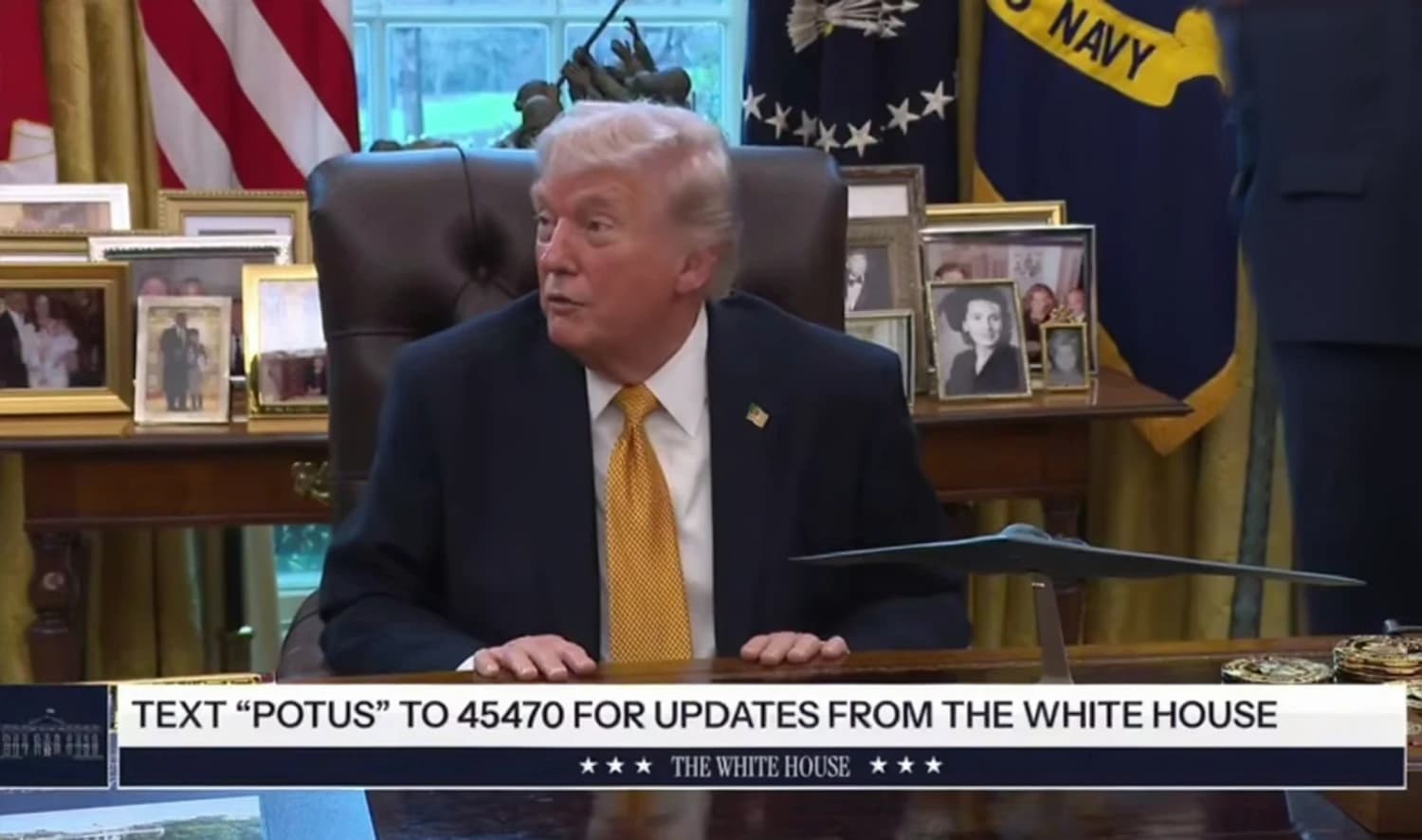
President Donald Trump Says He Can Do Anything He Wants With Cuba.
Key Takeaways
- Trump says he can do whatever he wants with Cuba.
- U.S. discussions aim to pressure Díaz-Canel to resign and replace leadership.
- Cuba's energy crisis undermines government stability and shapes the negotiation context.
Trump's Cuba Threats
President Donald Trump made provocative statements claiming he has the right to "take" Cuba, declaring during a White House press conference that he believes he will have the "honor" of doing so.
“The Trump administration is seeking to pressure the Cuban president Miguel Díaz-Canel to step down, according to a New York Times report that cites four people familiar with the talks”
Trump told reporters, "I do believe I'll be the honor of-- have the honor of taking Cuba. That would be good. That's a big honor," when asked directly about the island nation, according to The Independent.
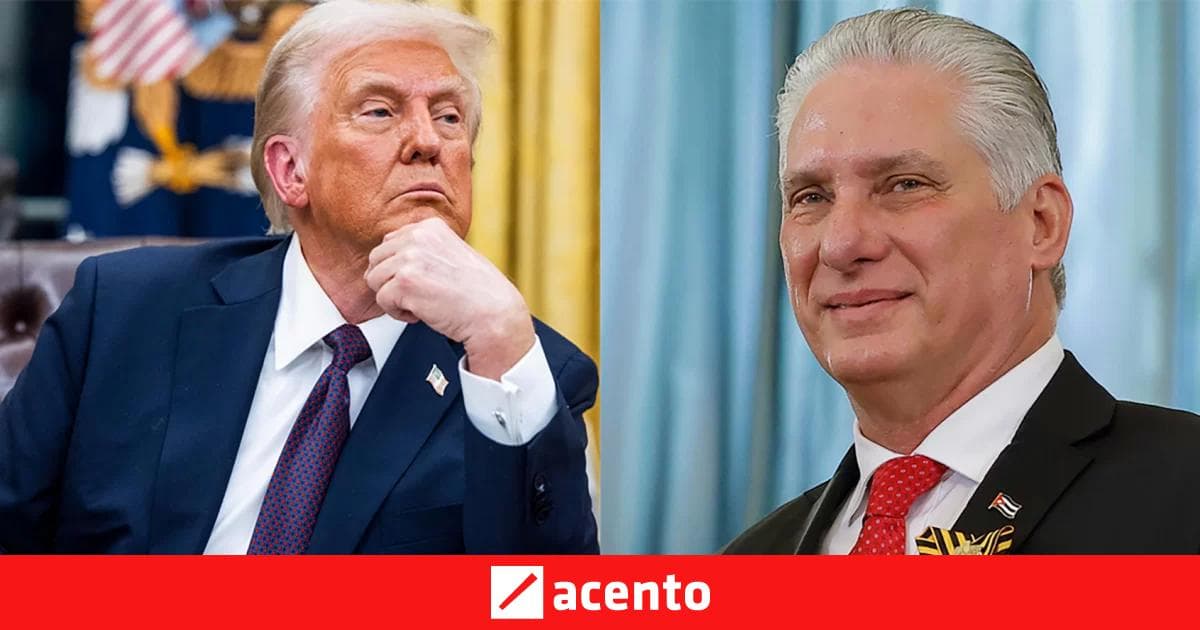
The president elaborated on his apparent authority over Cuba, stating "I think I'll have the honor of taking Cuba. That would be nice. It would be a great honor to take Cuba in some way," as reported by minutouno.
Trump's rhetoric escalated as he clarified his intentions, telling reporters "I really believe I will have the honor of taking Cuba," as Folha de S.Paulo documented.
The president further explained his position, stating "I mean to liberate it, or take it. I think I can do whatever I want, if you want me to tell you the truth. It is a nation very weakened at the moment," according to LA NACION.
Trump characterized Cuba as a "failed state" with "nothing" to offer, claiming "They don't have money, they don't have oil, they have nothing" while expressing his apparent authority over the Caribbean island nation.
Economic Pressure Crisis
Trump's threats against Cuba come amid escalating tensions between Washington and Havana, with the US having significantly increased economic pressure on the island nation.
Ukrainian National News reported that "US President Donald Trump, while speaking with journalists at the White House, made a resonant statement regarding Cuba" amid these rising tensions.

The economic pressure has had severe consequences, with LA NACION noting that "The Ministry of Energy and Mines announced this Monday a 'total blackout' of the country's electrical system and said it was investigating the situation" due to the energy crisis.
La Presse reported that "Washington has imposed since January a de facto energy blockade on Cuba, citing the exceptional threat that this island, located only 150 kilometers from the coast of Florida, would pose to U.S. national security."
This blockade has been particularly damaging as acento reported Trump stating "We cut all the oil, all the money... everything that came from Venezuela, which was the only source," referring to the disruption of oil supplies from Cuba's main energy provider.
The situation has become critical for Cubans, who "spend most of their days without electricity" amid "years of economic crisis and poverty" as described by LA NACION.
Regime Change Negotiations
Behind Trump's public statements, there appear to be ongoing negotiations between the US and Cuban governments, with reports suggesting the Trump administration is seeking regime change.
La Presse reported that "The Trump administration is pressuring the Cuban president Miguel Diaz-Canel to leave power as part of negotiations between the two countries, according to the New York Times on Monday, which cites four people close to the meetings."
The US position, according to these sources, was that "the Americans informed the Cuban negotiators that the president must step down, but left it to the Cubans to decide what happens next."
Acento drew parallels to the Venezuela intervention, noting "If the change in Cuba materializes, it would be similar to the intervention in Venezuela, which removed Nicolás Maduro to replace him with Delcy Rodríguez — more open to dialogue with the United States — but with an intact government structure."
LA NACION reported that "Cuba confirmed on Friday that it is in talks with the United States and released political prisoners as part of an agreement with the Vatican, a historic mediator between these two ideological enemies."
These negotiations represent a significant diplomatic shift after decades of hostility between the two nations.
Regional Strategy Implications
The broader implications of Trump's stance on Cuba include potential economic opening for US businesses and continued regional interventionism.
La Presse reported that "From the perspective of U.S. officials, the talks aim for Cuba to gradually open its economy to American businessmen and companies, thereby laying the groundwork for a possible client state, while achieving some symbolic political victories that President Donald Trump can announce."
The situation in Cuba remains dire for ordinary citizens, with LA NACION describing how "Cuba is in an increasingly critical situation. Citizens, exhausted by years of economic crisis and poverty, spend most of their days without electricity. The rise in prices, strict fuel rations, and shortages of medicines have driven many to the limit."
minutouno highlighted Trump's apparent motivation, noting "The Republican hinted at having the power 'to do whatever he wants' because 'it's a very weakened nation'" and that "it could be a friendly acquisition or not."
Trump's approach to Cuba appears to follow a pattern of interventionism in Latin America, with his administration having already intervened in Venezuela earlier this year, suggesting a broader strategy of targeting what he views as weakened authoritarian regimes in the region.
More on USA

Trump says US could reach Cuba deal as Cuba power grid collapses under oil blockade
10 sources compared

President Donald Trump asks seven nations to join coalition to police Iran's Strait of Hormuz
10 sources compared
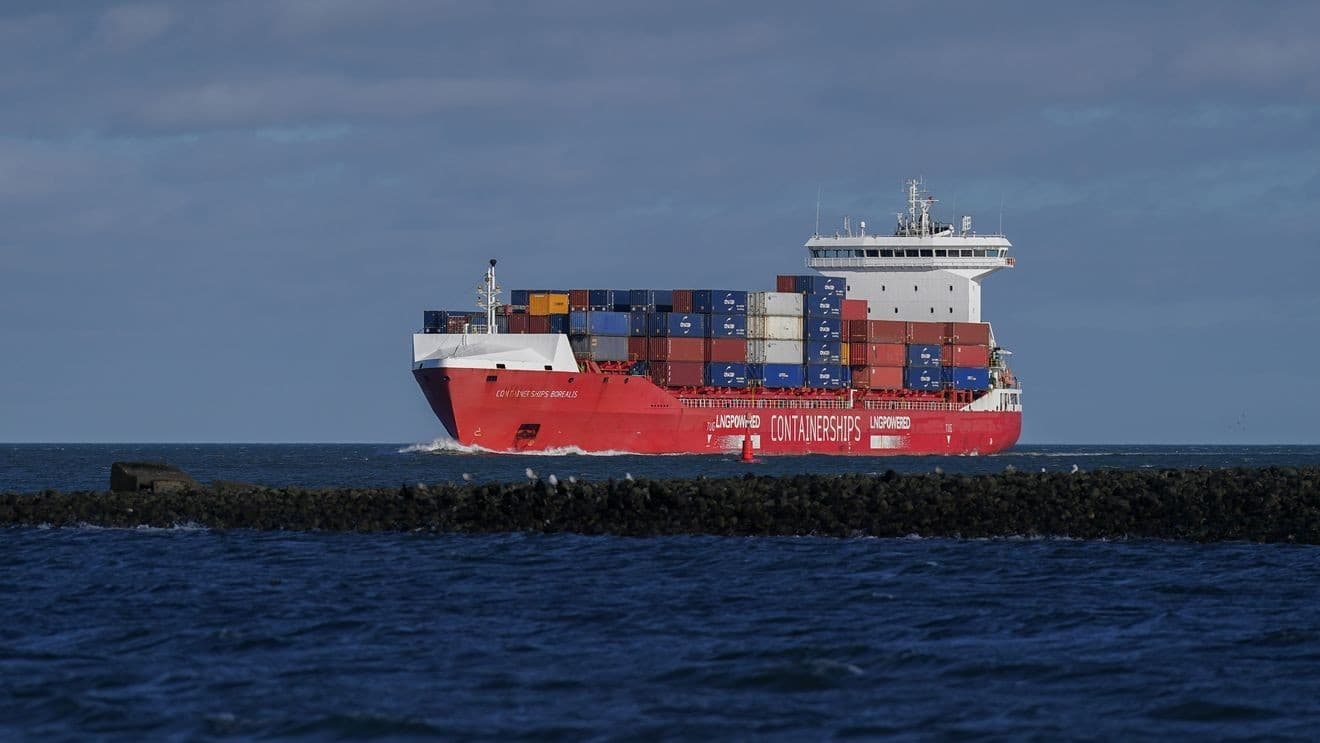
Trump demands about seven countries send warships to keep the Strait of Hormuz open
20 sources compared
White House Chief of Staff Susie Wiles Diagnosed With Early-Stage Breast Cancer
30 sources compared